
Consultation Hotline
+1 (302) 618-8777
+1 (302) 618-8777
Current location:Home > Product > Biological Instruments > Plate Reader
PRODUCT CATEGORY
Related Articles
Detailed Introduction
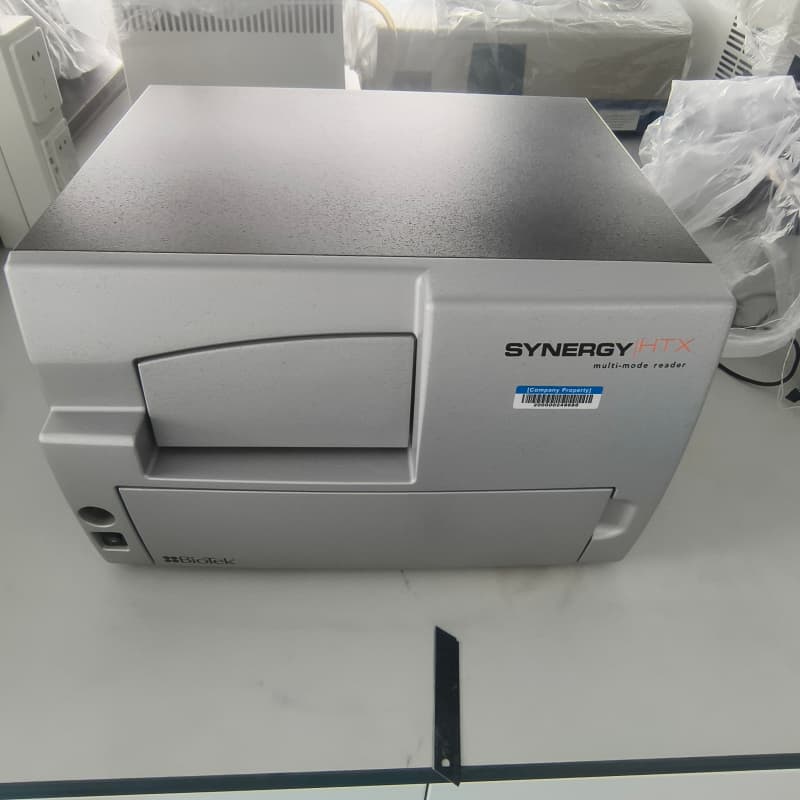
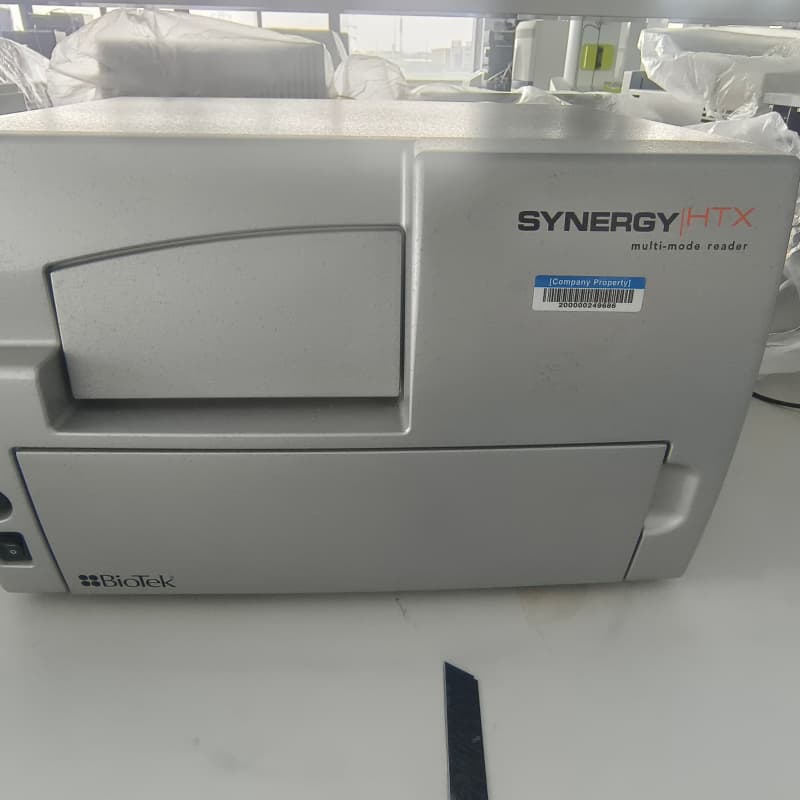
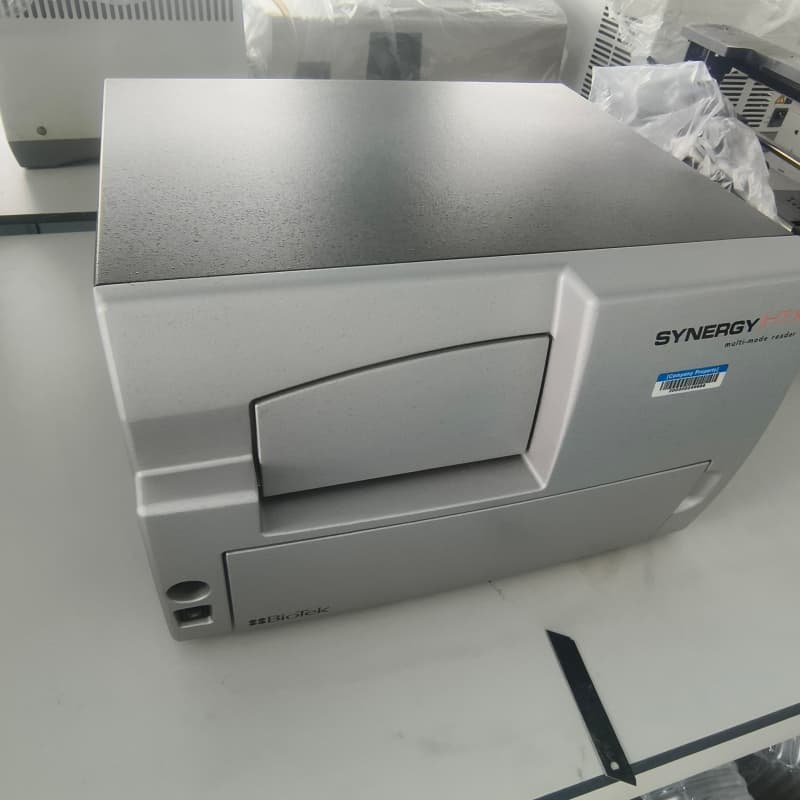
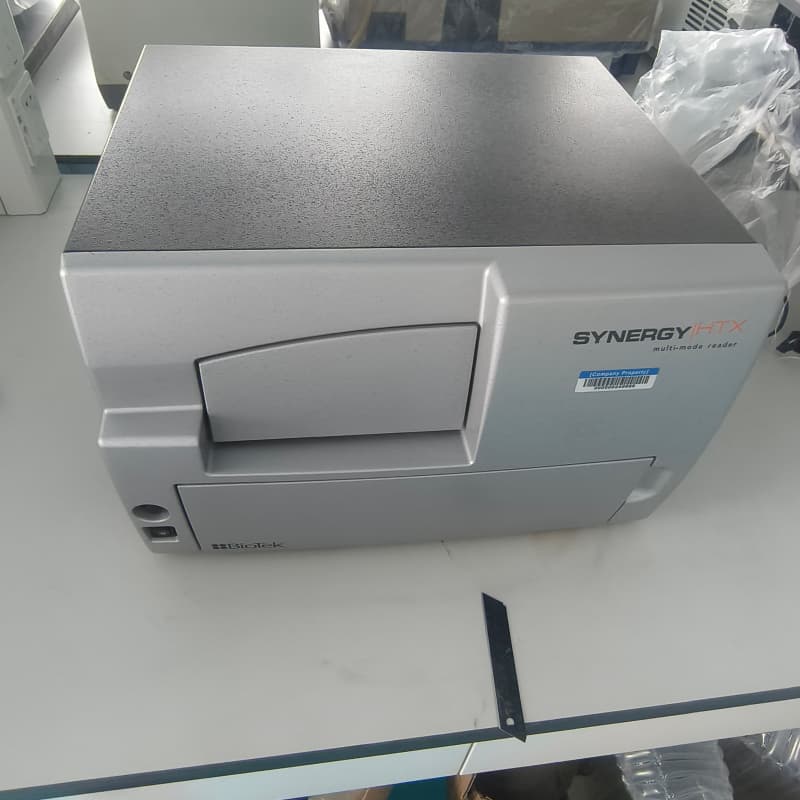
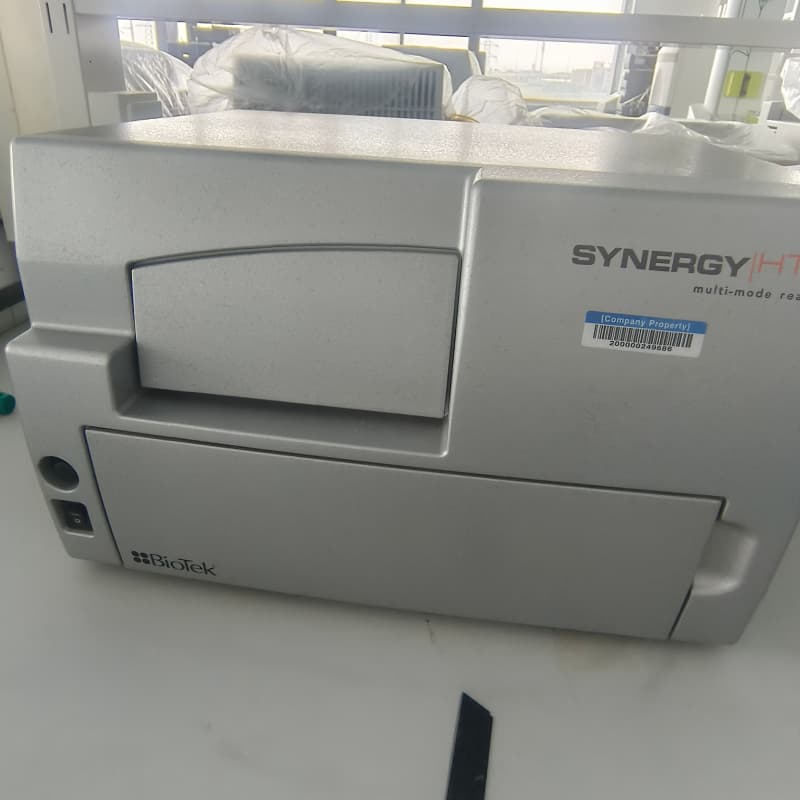
The BioTek Synergy HTX Multi-Mode Microplate Reader is a versatile microplate detection system designed for a wide range of life science, pharmaceutical, biotechnology, clinical research, and laboratory applications. Originally developed by BioTek Instruments and now part of Agilent Technologies' BioTek portfolio, the Synergy HTX combines multiple detection technologies in a compact platform, allowing researchers to perform absorbance, fluorescence, luminescence, and other assay measurements using a single instrument.
The system is designed to accommodate microplates ranging from 6-well to 384-well formats, making it suitable for both routine laboratory assays and higher-throughput screening applications. It can also support PCR plates, cell culture dishes, and Take3 or Take3 Trio microvolume plates, depending on configuration.
One of the main advantages of the Synergy HTX is its multi-mode detection capability. Depending on the selected configuration, the instrument can perform UV-Visible absorbance, fluorescence intensity, luminescence, time-resolved fluorescence, and Alpha-based detection.
For absorbance measurements, the system uses a xenon flash lamp and monochromator. The wavelength range extends from 200 to 999 nm, with wavelength selection available in 1 nm increments. This broad range allows the reader to support common nucleic acid, protein, enzyme, and cell-based assays.
The fluorescence system uses filter-based wavelength selection and a PMT detector. Fluorescence measurements can be performed from both the top and bottom of the microplate, depending on the configuration. The instrument offers a reported fluorescein sensitivity of 5 pM, or 1 fmol/well, for a 96-well plate.
For luminescence applications, the Synergy HTX uses a low-noise photomultiplier tube detection system. This makes the instrument suitable for applications such as reporter-gene assays, ATP detection, cell viability studies, and other luminescence-based assays.
The Synergy HTX is also designed for assays that require controlled incubation and mixing. Its 4-Zone incubation system can control temperature up to 50°C, with condensation control. Temperature uniformity is specified at approximately ±0.2°C at 37°C.
Linear and orbital shaking functions are available to improve sample mixing before or during measurement. These functions can be particularly useful for cell-based assays, enzyme reactions, and kinetic experiments.
For applications requiring rapid reagent addition, the Synergy HTX can be configured with a dual-reagent injector system. The injector configuration uses two syringe pumps and supports dispensing volumes from 5 to 1,000 μL, in 1 μL increments.
The system can also be integrated with BioTek BioStack microplate automation equipment and third-party automation platforms. This makes the instrument suitable for laboratories seeking to increase throughput and reduce manual plate handling.
The Synergy HTX is operated through BioTek's Gen5 software platform. The software supports data collection, analysis, visualization, exporting, and reporting. Depending on the software configuration and instrument generation, Gen5 or later Agilent BioTek software may be applicable.
For regulated laboratory environments, Gen5 Secure is available as an option to support 21 CFR Part 11 requirements. Laboratories should confirm the appropriate software version and configuration for their specific compliance needs.
The versatility of the Synergy HTX makes it suitable for many research applications, including nucleic acid quantification, protein quantification, enzyme kinetics, ELISA, biomarker analysis, cell proliferation, cytotoxicity studies, genetic analysis, drug absorption and metabolism research, food safety testing, and environmental monitoring.
The combination of multiple detection modes allows laboratories to use one platform for different experimental workflows rather than purchasing separate instruments for every measurement technology.
| Parameter | Specification |
|---|---|
| Product Name | BioTek Synergy HTX Multi-Mode Microplate Reader |
| Detection Modes | UV-Vis absorbance, fluorescence, luminescence, time-resolved fluorescence, Alpha |
| Microplate Formats | 6-, 12-, 24-, 48-, 96-, and 384-well |
| Supported Labware | PCR plates, cell culture dishes, Take3/Take3 Trio microvolume plates |
| Absorbance Light Source | Xenon flash lamp |
| Absorbance Detector | Photodiode |
| Absorbance Wavelength Range | 200–999 nm |
| Wavelength Increment | 1 nm |
| Absorbance Bandwidth | 2.4 nm |
| Absorbance Dynamic Range | 0–4.0 OD |
| Absorbance Resolution | 0.0001 OD |
| Pathlength Correction | Yes |
| Fluorescence Light Source | Tungsten halogen; xenon flash option |
| Fluorescence Detector | PMT |
| Fluorescence Wavelength Range | 300–700 nm; 200–850 nm option |
| Fluorescence Dynamic Range | >6 decades |
| Fluorescence Sensitivity | Fluorescein 5 pM / 1 fmol per well |
| Luminescence Sensitivity | Up to 10 amol ATP in specified configurations |
| Luminescence Dynamic Range | >6 decades |
| Temperature Control | Up to 50°C |
| Temperature Uniformity | ±0.2°C at 37°C |
| Shaking | Linear and orbital |
| Reagent Injectors | Two syringe pumps, optional |
| Dispense Volume | 5–1,000 μL |
| Automation | BioStack and third-party automation compatible |
| Software | Gen5 data analysis software |
| Power | 100–240 V AC, 50/60 Hz |
| Dimensions | Approximately 40.6 × 38 × 25.4 cm |
| Weight | Approximately 18 kg |
| Connectivity | USB and RS-232 |
Specifications may vary according to instrument configuration, software version, and optional modules.
The BioTek Synergy HTX Multi-Mode Microplate Reader provides a flexible platform for laboratories that require multiple microplate detection technologies in one system. Its combination of UV-Vis absorbance, fluorescence, luminescence, temperature control, shaking, optional reagent injection, and automation compatibility makes it suitable for a broad range of research workflows.
For laboratories working with nucleic acids, proteins, enzymes, cells, biomarkers, or reporter assays, the Synergy HTX can provide a practical combination of versatility, throughput, and analytical capability. Its compact design and broad microplate compatibility also make it suitable for research laboratories where instrument flexibility and efficient use of bench space are important considerations.
Product Inquiry