
Consultation Hotline
+1 (302) 618-8777
+1 (302) 618-8777
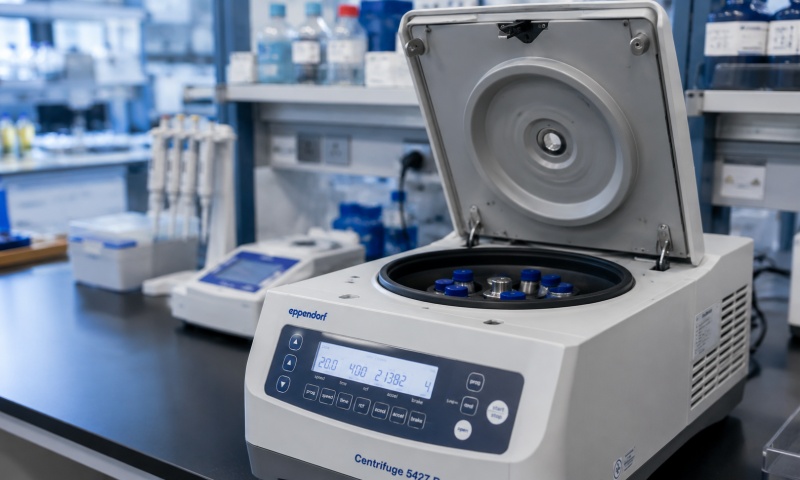
Laboratory centrifuges are widely used in biological research, clinical testing, pharmaceutical laboratories, food analysis, chemical research, and many other applications. By generating centrifugal force at controlled speeds, centrifuges separate particles, cells, proteins, nucleic acids, and other components according to differences in density. Because centrifuges often operate at high rotational speeds, even a relatively small mechanical or electrical fault can affect separation performance and may create safety risks.
Regular maintenance and timely troubleshooting are therefore essential. The following sections describe several common laboratory centrifuge failures and practical methods for identifying and resolving them.
A centrifuge that does not start may have several possible causes. The first step is to check whether the power supply is normal. Inspect the power cord, power switch, circuit breaker, and electrical outlet.
If the display remains completely blank, the problem may be related to the power supply, fuse, control board, or internal wiring. If the display is working but the rotor does not start, check whether the centrifuge lid is completely closed. Most modern centrifuges have a lid-locking or safety-interlock system that prevents operation when the lid is open.
A defective door sensor or locking mechanism can also prevent startup. Technicians should inspect the interlock system according to the manufacturer's service procedure rather than bypassing the safety mechanism.
Excessive vibration is one of the most common centrifuge problems. The first item to check is sample balance. Tubes should be arranged symmetrically and should have appropriate volumes.
An unevenly loaded rotor can generate significant centrifugal imbalance, particularly at high speed. If vibration continues after correcting the sample balance, inspect the rotor, buckets, adapters, and mounting system for damage or incorrect installation.
The centrifuge should also be installed on a stable and level surface. Worn bearings, damaged rotor components, loose mounting hardware, or mechanical deformation can also cause abnormal vibration.
If severe vibration suddenly occurs during operation, stop the centrifuge and allow the rotor to come to a complete stop before inspection.
When the centrifuge cannot reach the programmed speed, possible causes include motor problems, excessive mechanical resistance, controller faults, or incorrect rotor identification.
Check whether the selected rotor is correctly installed and whether its rated maximum speed is compatible with the operating parameters. Some centrifuges automatically limit speed according to the installed rotor.
A worn motor, drive belt, bearing, or motor-control component may also reduce acceleration performance. If the centrifuge accelerates slowly or produces unusual motor noise, professional inspection may be required.
The rotor should never be operated above its specified maximum speed.
Unexpected shutdown may result from overheating, overspeed protection, imbalance detection, power interruption, or a control-system error.
First, check the error code displayed on the control panel and consult the manufacturer's service documentation. If an imbalance alarm is displayed, stop the unit and inspect sample loading and rotor installation.
For repeated thermal alarms, inspect the ventilation openings and cooling system. Dust accumulation around ventilation areas can reduce heat dissipation. Refrigerated centrifuges may also experience cooling-system problems involving the compressor, fan, temperature sensor, or refrigeration circuit.
Do not repeatedly restart a centrifuge that shuts down because of a serious fault. Determine the cause before returning it to normal operation.
Abnormal noise can indicate mechanical wear or improper installation. Common causes include damaged bearings, loose components, rotor imbalance, foreign objects, or contact between the rotor and another component.
A grinding, clicking, or high-pitched sound should be investigated immediately. Stop the centrifuge and inspect the rotor and chamber after the rotor has completely stopped.
If the noise is related to the motor or bearing system, qualified maintenance personnel should perform further inspection. Continued operation under abnormal mechanical conditions may cause more serious damage.
Sometimes the centrifuge operates normally but produces unsatisfactory separation results. This does not necessarily indicate a mechanical failure.
Check the programmed speed, acceleration and deceleration settings, centrifugation time, rotor type, and sample volume. Verify that the correct rotor and tube adapters are being used.
For refrigerated centrifuges, temperature can also affect separation results. If the actual chamber temperature differs significantly from the set value, inspect the temperature sensor and refrigeration system.
Improper sample preparation or inappropriate centrifugation parameters should also be considered before replacing mechanical components.
A centrifuge lid may remain locked after operation because the rotor is still rotating, the safety-lock system has not released, or the unit has experienced a power or control failure.
Never attempt to force the lid open while the rotor may still be moving. Wait until the centrifuge confirms that the rotor has stopped completely.
If the lid remains locked after a confirmed stop, follow the manufacturer's emergency-release procedure. Do not dismantle or bypass the locking mechanism without appropriate technical knowledge.
Preventive maintenance can significantly reduce centrifuge failures. Regularly clean the rotor chamber, inspect the rotor and buckets, check the lid seal, and remove contamination or spilled samples promptly.
Rotor components should be inspected for cracks, corrosion, deformation, or other signs of damage. Rotor service life and inspection requirements specified by the manufacturer should always be followed.
For refrigerated centrifuges, ventilation areas should remain unobstructed, and cooling performance should be monitored. Electrical connections, safety interlocks, sensors, and control functions should also be checked periodically by qualified personnel.
Common laboratory centrifuge failures include startup problems, excessive vibration, failure to reach the set speed, unexpected shutdown, abnormal noise, poor separation performance, and lid-lock problems. Effective troubleshooting should begin with simple external factors such as power supply, sample balance, rotor installation, and operating parameters before moving to internal electrical or mechanical components.
Because centrifuges operate at high rotational speeds, safety should always be the first consideration. Damaged rotors, severe vibration, repeated overspeed alarms, or unexplained mechanical noise require immediate attention. Following the manufacturer's maintenance procedures and keeping detailed service records can improve equipment reliability, extend service life, and help ensure consistent laboratory results.