
Consultation Hotline
+1 (302) 618-8777
+1 (302) 618-8777
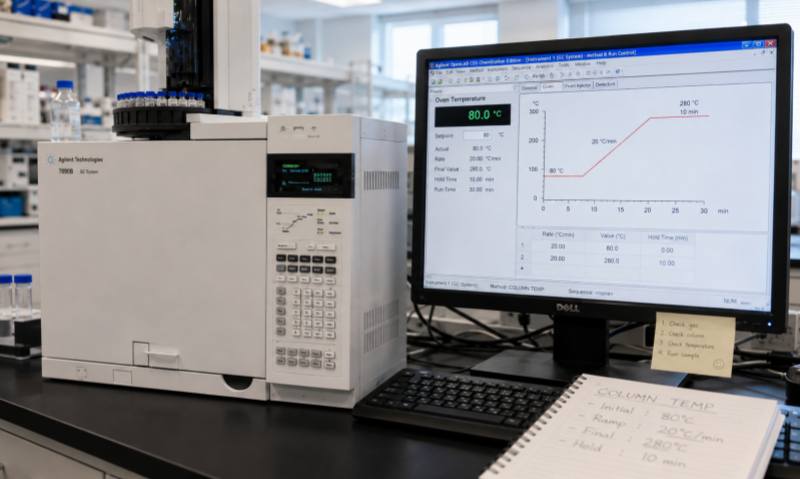
Mold incubators are widely used in microbiology, food testing, pharmaceutical research, environmental monitoring, agricultural science, and other laboratory applications. They provide controlled temperature, humidity, and sometimes lighting conditions required for the cultivation and observation of molds and other microorganisms. Because mold cultures are highly sensitive to environmental changes and contamination, regular maintenance of the incubator is essential for reliable experimental results.
Proper maintenance is not simply a matter of cleaning the chamber. It involves temperature control, humidity management, electrical inspection, contamination prevention, drainage, sensor verification, and correct operating procedures. The following precautions should receive particular attention during routine maintenance.
Before performing any internal maintenance, cleaning, or component inspection, disconnect the incubator from the power supply. This is particularly important when working around electrical components, fans, heaters, compressors, or humidification systems.
Allow the equipment to cool to a safe temperature before beginning maintenance. Never remove electrical covers or service internal components while the incubator is energized unless the procedure specifically requires qualified personnel to perform live electrical testing.
The chamber should be cleaned according to the frequency of use and the type of samples being cultivated. Residual culture media, condensation, dust, and biological material can provide favorable conditions for unwanted microorganisms.
Remove shelves, trays, and removable accessories before cleaning. Use a laboratory-approved cleaning solution compatible with the chamber material. Avoid highly corrosive chemicals that may damage stainless steel surfaces, seals, sensors, or protective coatings.
After cleaning, rinse or wipe surfaces when required and allow the chamber to dry completely before restarting the equipment.
Cross-contamination is one of the most important concerns when maintaining a mold incubator. Mold spores can easily spread through air movement and contaminated surfaces.
Operators should wear appropriate laboratory protective equipment and use dedicated cleaning materials. Do not place contaminated samples, open culture containers, or unnecessary materials inside the chamber. Samples should be properly sealed and clearly labeled.
If visible fungal growth or unusual contamination is found inside the incubator, stop normal operation and follow the laboratory's established decontamination procedure before further use.
Temperature stability directly affects mold growth and experimental reproducibility. During maintenance, compare the incubator's displayed temperature with a calibrated reference thermometer or temperature measurement device.
Large differences between the displayed and actual temperature may indicate sensor aging, poor calibration, heater problems, compressor problems, inadequate insulation, or airflow abnormalities.
Temperature should be checked at appropriate locations within the chamber rather than relying only on the controller display. For critical applications, periodic calibration should be performed according to laboratory quality requirements.
Many mold incubators use a humidification system to maintain a specified relative humidity. The water reservoir, humidification tray, tubing, and related components should therefore be inspected regularly.
Use water of the quality recommended by the equipment manufacturer. Avoid leaving stagnant water in the reservoir for unnecessarily long periods. Replace or clean the water system according to the maintenance schedule.
If humidity fluctuates significantly, check the water supply, humidification device, chamber door seal, sensor, and condensation system. A damaged door gasket can allow moisture to escape and make humidity control difficult.
The door gasket plays an important role in maintaining stable temperature and humidity. A damaged, hardened, deformed, or contaminated gasket may cause heat and moisture loss.
Inspect the entire gasket for cracks, gaps, deformation, or accumulated contamination. Clean it carefully using a compatible cleaning method. If the gasket has lost elasticity or cannot maintain a proper seal, replacement may be necessary.
The inner glass door, when equipped, should also be checked for cracks and excessive condensation.
Uniform air circulation is necessary to maintain stable environmental conditions throughout the chamber. Dust accumulation or biological contamination on the fan and air passages can reduce airflow.
During maintenance, check whether the fan rotates smoothly and whether unusual noise or vibration is present. Clean accessible airflow passages according to the manufacturer's instructions.
Do not block ventilation openings with samples, containers, or laboratory materials. Overloading the chamber can create temperature and humidity gradients and reduce cultivation consistency.
Condensation is common in humidified incubators. Blocked drainage channels can result in water accumulation inside the chamber or around the equipment.
Inspect the drain outlet, drainage tubing, and collection system regularly. Remove deposits or blockages using an appropriate cleaning procedure. Do not use sharp objects that could damage drainage components.
Any unexplained water leakage should be investigated promptly because excessive moisture may damage electrical components and create additional contamination risks.
Temperature and humidity sensors are critical for controlling the incubator. During periodic maintenance, inspect sensors for contamination, physical damage, or abnormal positioning.
Alarm functions should also be tested according to the manufacturer's procedure. High-temperature, low-temperature, humidity, door-open, and other applicable alarms should respond correctly.
A failed alarm can allow abnormal conditions to continue unnoticed and potentially compromise valuable cultures.
Every maintenance activity should be documented. Records should include cleaning dates, temperature verification, humidity checks, sensor calibration, replacement of consumable components, abnormal conditions, and corrective actions.
A detailed maintenance history helps technicians identify recurring problems and provides evidence of proper equipment management during laboratory audits.
Maintaining a mold incubator requires more than simply wiping the chamber. Temperature accuracy, humidity stability, contamination control, air circulation, door sealing, drainage, sensor performance, and alarm functions all influence equipment reliability and experimental quality.
Regular preventive maintenance can reduce contamination risks, identify component deterioration at an early stage, and extend the service life of the incubator. For laboratories performing sensitive microbiological work, maintenance procedures should always follow the equipment manufacturer's instructions and the laboratory's established safety and quality-management requirements.