
Consultation Hotline
+1 (302) 618-8777
+1 (302) 618-8777
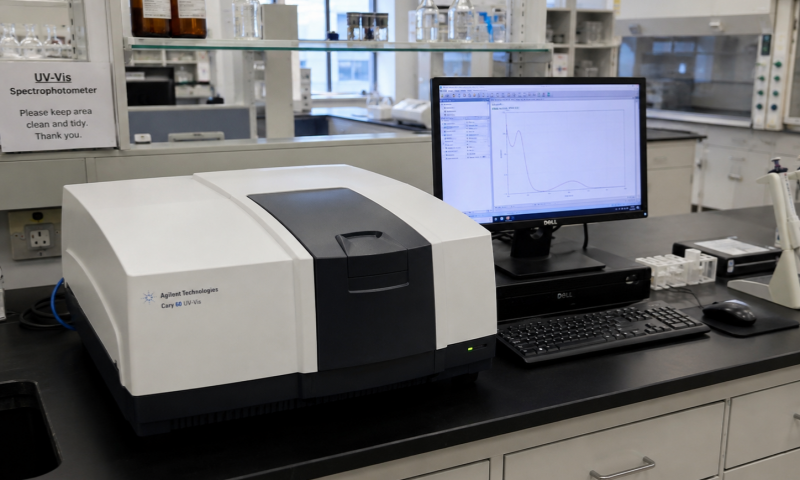
Ion chromatography (IC) is widely used for the analysis of inorganic ions, organic acids, and other ionic compounds in environmental, pharmaceutical, food, chemical, and research laboratories. The suppressor is one of the key components of an ion chromatography system because it reduces the background conductivity of the mobile phase and improves the detection sensitivity of target ions. In systems equipped with a suppressor pump, stable pump operation is essential for maintaining consistent suppression performance.
When the suppressor pump develops a fault, users may observe unstable baseline signals, increased background conductivity, poor peak shape, reduced sensitivity, or abnormal system pressure. Understanding the common causes and troubleshooting procedures can help laboratory personnel restore normal operation quickly and prevent further damage.
One of the most common problems is unstable flow from the suppressor pump. The flow may fluctuate periodically instead of remaining constant. This problem can result from air bubbles, insufficient liquid supply, blocked tubing, worn pump components, or incorrect pump settings.
First, check the liquid reservoir and confirm that sufficient suppressor solution is available. Inspect the inlet tubing for loose connections, cracks, or air leakage. Air entering the pump can cause intermittent flow and significant pressure fluctuations. If air is present, purge the pump according to the manufacturer's recommended procedure.
The pump head and check valves should also be inspected. Contaminated or worn check valves may not open and close correctly, resulting in irregular flow. Cleaning or replacing the affected components may be necessary.
Abnormally high pressure usually indicates a restriction somewhere in the flow path. Common causes include blocked tubing, contaminated filters, crystallized salts, clogged connectors, or a partially blocked suppressor.
Start troubleshooting from the pump outlet and inspect the flow path step by step. Disconnect the downstream tubing where appropriate and determine whether the pressure decreases. If pressure returns to normal after a specific component is disconnected, that component or its downstream tubing may be restricted.
Do not immediately increase the pump pressure limit to compensate for a blockage. Excessive pressure can damage seals, tubing, valves, or the suppressor itself.
If the pump cannot build normal pressure, check whether the reservoir contains sufficient liquid and whether the inlet tubing is correctly connected. A loose fitting or damaged inlet line may allow air to enter the pump.
The pump may also have lost its prime after maintenance, prolonged shutdown, or replacement of the solution reservoir. In this situation, the pump should be primed according to the manufacturer's instructions.
If priming does not solve the problem, inspect the pump seals, piston, check valves, and pump head. Severe wear of these components can prevent the pump from generating adequate pressure.
Air bubbles can cause unstable flow, noisy detector signals, and poor reproducibility. They may enter the system because of an empty reservoir, loose fittings, inadequate degassing, or improper installation of tubing.
Inspect all connections on the inlet side of the pump. Tighten fittings carefully without overtightening them. Check whether the solvent or suppressor solution is compatible with the tubing and fittings being used.
After correcting the source of air entry, purge the system until the flow becomes bubble-free. Regular inspection of the liquid reservoir and tubing can significantly reduce the possibility of recurring air problems.
Liquid leakage around the pump head is often associated with worn piston seals, damaged tubing, loose fittings, or aging pump components. Small leaks should not be ignored because they can gradually cause corrosion, contamination, and unstable pump performance.
Turn off the pump and inspect the affected area carefully. If the leakage originates from a fitting, reinstall or replace the fitting as required. If liquid is leaking around the piston area, the piston seal may need replacement.
After repair, wipe the area completely dry and operate the pump at a low flow rate first. Confirm that no leakage remains before returning the system to normal operation.
Sometimes the pump operates normally, but the overall suppression performance is poor. Possible symptoms include increased background conductivity, reduced analyte response, or abnormal baseline behavior.
Check the suppressor solution concentration, flow rate, and supply pressure. Incorrect solution preparation can significantly affect suppression efficiency. The suppressor itself should also be checked for contamination, blockage, aging, or incorrect installation.
It is important to distinguish a suppressor problem from a pump problem. If the pump flow and pressure are stable but detector performance remains abnormal, troubleshooting should continue with the suppressor, eluent, detector, and analytical column.
Preventive maintenance is more effective than repairing a serious pump failure. Laboratory personnel should regularly inspect tubing, fittings, reservoirs, filters, seals, and check valves. The suppressor solution should be prepared correctly and replaced according to laboratory procedures.
When the IC system is not used for an extended period, follow the manufacturer's recommended shutdown and storage procedure. Never allow inappropriate solutions to remain in the pump for long periods because crystallization or chemical contamination can damage internal components.
Suppressor pump faults in ion chromatography systems are commonly related to air bubbles, blocked flow paths, insufficient liquid supply, worn seals, contaminated check valves, leakage, and incorrect operating conditions. Effective troubleshooting should follow a systematic approach: first check the liquid supply and tubing, then inspect flow and pressure, and finally examine internal pump components and the suppressor.
Regular preventive maintenance, correct solution preparation, careful operation, and timely replacement of consumable components can improve pump reliability and extend the service life of the entire ion chromatography system. When pressure remains abnormally high or low after basic troubleshooting, professional service should be considered to prevent further damage to the pump and suppressor.