
Consultation Hotline
+1 (302) 618-8777
+1 (302) 618-8777
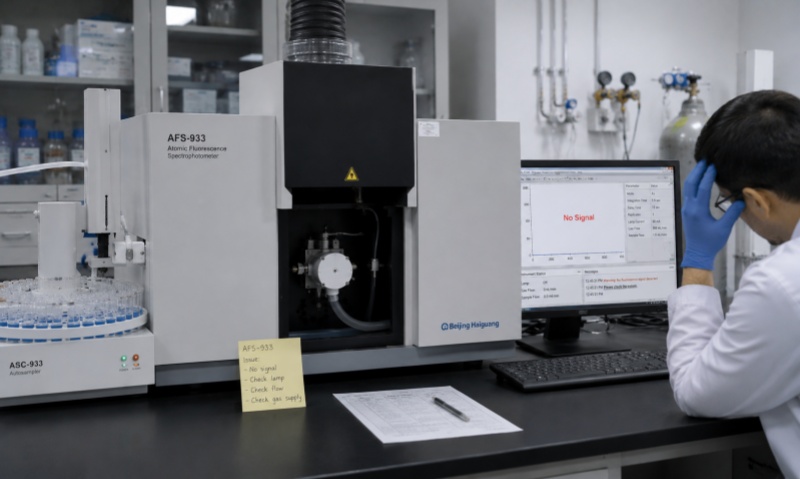
Chromatographic columns are among the most important and sensitive consumable components in HPLC, UHPLC, GC, and other chromatographic systems. Column performance directly affects retention time, peak shape, resolution, sensitivity, and analytical reproducibility. Because high-quality chromatographic columns can represent a significant part of laboratory operating costs, extending their service life is an important aspect of laboratory maintenance.
A column does not necessarily fail suddenly. In many cases, gradual contamination, pressure increases, stationary-phase degradation, mechanical damage, or inappropriate operating conditions slowly reduce column performance. Proper installation, sample preparation, mobile-phase management, cleaning, and storage can significantly extend column lifetime.
One of the most effective ways to protect an HPLC column is to prevent particulate matter from entering the column. Samples containing suspended particles can accumulate at the inlet frit and increase backpressure.
Samples should be appropriately filtered before injection. The filter membrane should be chemically compatible with the sample and mobile phase. For samples with a high concentration of proteins, polymers, lipids, or other contaminants, additional sample preparation may be required.
A suitable guard column or in-line filter can provide additional protection for the analytical column, particularly when analyzing complex matrices.
Mobile-phase quality has a direct effect on column performance. Particles, precipitates, and microbial contamination can enter the chromatographic system and eventually affect the column.
A suitable filtration procedure should be used when required by the method and instrument configuration. Mobile phases should also be prepared using appropriate solvents and high-quality water.
Degassing is important because dissolved gases can form bubbles and cause unstable flow or detector signals. Proper mobile-phase preparation reduces the risk of operational problems and contamination.
Chromatographic columns should normally be operated within the manufacturer's recommended pressure, temperature, pH, solvent composition, and flow-rate ranges.
Sudden changes in solvent composition, flow rate, or temperature can place unnecessary stress on the stationary phase and column hardware. When changing between significantly different mobile phases, use an appropriate intermediate solvent when required to prevent precipitation or incompatibility.
UHPLC columns are particularly sensitive to pressure and flow conditions because they commonly operate at higher pressures than conventional HPLC columns.
For silica-based reversed-phase columns, pH can strongly influence stationary-phase stability. Operating outside the manufacturer's specified pH range may accelerate degradation of the bonded phase or silica support.
Before using a buffer or strongly acidic or basic mobile phase, verify the column's recommended pH range. Avoid assuming that every C18 column has the same chemical stability.
If a method requires aggressive pH conditions, select a column specifically designed for those conditions rather than exposing a conventional column to unsuitable environments.
Injecting excessive sample mass or volume can lead to distorted peaks, poor resolution, and accelerated contamination.
Complex samples may contain strongly retained compounds that accumulate at the column inlet or interact with the stationary phase. If repeated injections produce progressively broader peaks or increased backpressure, sample loading should be evaluated.
Reducing injection volume, diluting the sample, improving sample cleanup, or using a guard column may help protect the analytical column.
Column cleaning should be performed according to the manufacturer's recommendations and the chemistry of the column.
For reversed-phase columns, an appropriate strong organic solvent can sometimes remove strongly retained hydrophobic contaminants. For other column types, different cleaning procedures may be required.
Cleaning should be performed gradually when necessary. Abrupt exposure to incompatible solvents can cause precipitation or damage. If the column has been heavily contaminated, repeated aggressive cleaning may not restore its original performance and could further shorten its useful life.
Column pressure is an important indicator of column condition. Establish a normal pressure range when the column is new and record pressure under standardized operating conditions.
A gradual pressure increase may indicate contamination, blocked inlet frits, precipitated buffer, or particulate accumulation. If pressure increases suddenly, stop the analysis and investigate the flow path.
Comparing column pressure before and after replacing the guard column or changing the tubing can help determine whether the analytical column is actually responsible for the restriction.
Proper storage is essential when a column will not be used for an extended period.
The storage solvent should be compatible with the column chemistry and manufacturer recommendations. Buffered mobile phases generally should not be left in a column during long-term storage because salts may precipitate or microbial growth may occur.
After cleaning, flush the column thoroughly with the recommended storage solvent and seal both ends securely. Proper sealing helps prevent solvent evaporation and contamination.
Column fittings should be installed correctly and tightened according to appropriate procedures. Excessive force can damage fittings, threads, or column hardware.
When connecting a column, confirm the flow direction indicated by the manufacturer. Incorrect flow direction can affect performance and, depending on the column design and contamination condition, may create additional problems.
The column should also be protected from unnecessary mechanical shock, vibration, freezing, and excessive temperature.
Maintaining a column history can greatly improve preventive maintenance. Record the column model, installation date, injection count, operating pressure, mobile-phase conditions, cleaning procedures, and storage conditions.
Monitoring retention time, peak symmetry, resolution, and pressure over time makes it easier to identify gradual performance deterioration.
Extending chromatographic column life requires consistent attention to sample preparation, mobile-phase quality, operating parameters, cleaning, pressure monitoring, and storage. The most effective approach is preventive rather than corrective.
Using appropriate filtration and guard columns, controlling pH and pressure, avoiding incompatible solvents, reducing contamination, and following the manufacturer's cleaning and storage recommendations can substantially improve column longevity. A well-maintained column not only lasts longer but also provides more stable retention, better peak shape, and more reproducible analytical results.