
Consultation Hotline
+1 (302) 618-8777
+1 (302) 618-8777
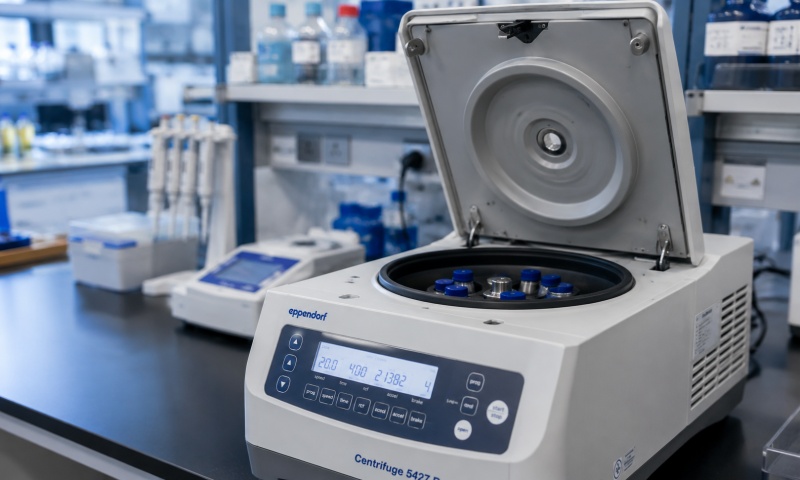
Centrifuges are widely used in pharmaceutical laboratories, biotechnology research, clinical testing, chemical analysis, and scientific research. By rotating samples at high speed, a centrifuge generates centrifugal force to separate components with different densities. Rotational speed is one of the most important operating parameters of a centrifuge. Whether the speed is stable and whether the actual RPM corresponds to the programmed value can directly affect separation efficiency and experimental results.
During daily operation, a centrifuge may experience problems such as failure to start, inability to reach the programmed speed, unstable RPM, incorrect speed display, slow acceleration, unexpected speed reduction, or sudden shutdown. Before carrying out repairs, technicians should perform a systematic diagnosis to identify the actual cause and avoid unnecessary disassembly or replacement of components.
If the centrifuge powers on normally but the rotor does not rotate after the start command is given, basic operating conditions should be checked first.
Verify that the power supply is stable and that the power switch, fuse, circuit breaker, and electrical connections are functioning correctly. The centrifuge lid should also be completely closed. Many laboratory centrifuges are equipped with a lid-locking mechanism and safety interlock. If the lid is not correctly locked, the control system may prevent the motor from starting.
If an alarm or error code appears on the display, record the code and check the manufacturer's troubleshooting information.
If the power supply and safety interlock are normal but the motor still does not operate, technicians should inspect the motor, drive circuit, control board, wiring, and protection system. Electrical inspection should be performed by qualified personnel with the equipment safely disconnected from power.
A centrifuge may start normally but remain below the programmed RPM. This is a common speed-related fault.
First, verify that the selected speed is within the maximum rated speed of the installed rotor. Different rotors can have different maximum allowable speeds. Some centrifuges automatically identify the rotor and limit the maximum speed to protect the equipment.
Next, check whether the centrifuge is overloaded and whether the rotor has been installed correctly. Excessive sample loading or mechanical resistance can increase the load on the motor and make acceleration difficult.
For centrifuges using belt-driven transmission systems, inspect the drive belt for looseness, aging, stretching, cracking, or damage. A slipping belt may allow the motor to operate normally while preventing the rotor from reaching the programmed speed.
If the mechanical transmission system is normal, the motor and motor-control system should be inspected.
After reaching the programmed speed, a centrifuge should normally maintain a relatively stable RPM. Continuous speed fluctuations may indicate sample imbalance, rotor problems, or an issue with the speed feedback system.
Unequal sample weights, different liquid volumes, or incorrect tube positioning can create rotor imbalance. Severe imbalance can produce strong vibration and may also cause the control system to reduce the speed or stop the centrifuge.
Samples should therefore be positioned symmetrically, and opposite tubes should have sufficiently matched weights according to the manufacturer's operating requirements.
If the samples are correctly balanced but the RPM continues to fluctuate, inspect the speed sensor, sensor wiring, connectors, and motor controller.
Sometimes the centrifuge appears to operate normally, but the RPM shown on the display does not correspond to the actual rotor speed.
The speed measurement system should be checked in this situation. Depending on the centrifuge design, rotational speed may be detected using an optical sensor, magnetic sensor, Hall-effect sensor, or another feedback device.
Dust, sample residue, condensation, or other contamination on the sensor can interfere with the speed signal. A sensor that has shifted from its original position may also produce inaccurate readings.
Technicians should inspect the sensor, mounting position, connectors, and signal cables according to the manufacturer's service procedure. Where appropriate, the displayed speed can be compared with a suitable calibrated reference instrument.
If a significant deviation is confirmed, the speed sensor or control system may require calibration, adjustment, or replacement.
A centrifuge that takes much longer than normal to reach the target RPM may have either a mechanical or electrical problem.
First check the rotor, sample load, and drive mechanism. An overloaded rotor or excessive mechanical resistance can place additional demand on the motor.
For belt-driven centrifuges, inspect the belt tension and condition. A worn or loose belt may slip during acceleration.
Bearings should also be considered if there is unusual mechanical noise, friction, or vibration. Damaged or worn bearings can increase resistance and prevent the rotor from accelerating normally.
If the mechanical system is operating correctly, the motor, motor controller, and power supply should be inspected.
If the centrifuge reaches the target speed but suddenly reduces speed or stops, the protection system may have detected an abnormal condition.
Possible causes include excessive vibration, rotor imbalance, motor overheating, overspeed detection, speed-sensor failure, or an electrical protection event.
Check the display for an error message and review the equipment's alarm or event history if available. Record the operating speed, rotor type, sample load, operating time, and error code.
Repeated unexpected shutdowns should not be ignored. Continuing to operate a centrifuge with an unresolved speed or mechanical fault may increase the risk of equipment damage.
The speed sensor provides important feedback to the control system. If the sensor signal is missing or unstable, the centrifuge may display an incorrect RPM or prevent the rotor from accelerating.
During inspection, check the sensor housing, mounting position, cable, connector, and related components.
For optical sensors, the sensing surface should be kept clean. For magnetic sensors, check for contamination or physical displacement.
The sensor should not be repositioned arbitrarily. Incorrect alignment may cause inaccurate speed detection or unstable control.
If the sensor is confirmed to be defective, replacement should be performed using a compatible component and according to the manufacturer's service procedure.
The rotor should be carefully inspected when investigating speed-related faults.
Look for cracks, corrosion, deformation, damaged mounting surfaces, excessive wear, or other signs of damage. Sample residue should be removed according to the laboratory's cleaning procedure.
The rotor must be correctly installed and securely mounted before operation. A damaged rotor should not be used because high-speed rotation can place considerable mechanical stress on the component.
If abnormal vibration or grinding noise occurs, inspect the rotor shaft, bearings, drive components, and mounting system.
The motor provides the mechanical power required to accelerate and maintain rotor speed.
A deteriorated motor may show symptoms such as slow acceleration, overheating, abnormal noise, excessive current consumption, or inability to maintain the programmed RPM.
Inspect the motor and its connections according to the manufacturer's maintenance procedure. The motor controller should also be considered because an electronic drive fault can produce symptoms similar to a motor failure.
For belt-driven systems, the condition and tension of the belt should be checked. Direct-drive centrifuges do not use a conventional transmission belt, so diagnosis should focus on the motor, bearings, controller, and feedback system.
Regular preventive maintenance can reduce the occurrence of centrifuge speed faults.
The rotor chamber should be kept clean and dry. Sample residues should be removed promptly. Operators should inspect the rotor regularly and ensure that samples are properly balanced before each run.
The centrifuge should never be operated above the rated maximum speed of the rotor. Rotors should also be inspected for corrosion and mechanical damage in accordance with the manufacturer's recommended service schedule.
Maintenance personnel should periodically check the motor, bearings, speed sensor, transmission components, electrical connections, and lid safety interlock.
Speed verification or calibration should be performed according to the manufacturer's recommendations and the laboratory's quality-control requirements.
When a centrifuge develops a speed fault, technicians can follow a systematic troubleshooting sequence:
Record the fault symptoms and error codes.
Confirm the programmed RPM and operating mode.
Verify rotor compatibility and maximum rated speed.
Check sample balance and loading.
Inspect rotor installation and the chamber.
Check the lid-locking and safety interlock systems.
Inspect the speed sensor and signal connections.
Check the motor and transmission system.
Inspect belts and bearings where applicable.
Verify the displayed RPM using an appropriate reference method.
Inspect the motor controller and control electronics if necessary.
Repair or replace defective components.
Perform speed verification before returning the centrifuge to normal operation.
Centrifuge speed faults can originate from many different sources, including sample imbalance, rotor installation, mechanical resistance, worn belts, bearings, motors, speed sensors, motor controllers, and safety protection systems. Therefore, simply replacing a component without identifying the root cause may not resolve the problem.
A proper troubleshooting process should begin with operating conditions and sample balance, followed by inspection of the rotor, mechanical system, speed sensor, motor, and electronic control system. Abnormal vibration, unusual noise, slow acceleration, unstable RPM, incorrect speed display, and unexpected shutdowns should all be treated as important diagnostic clues.
For pharmaceutical, clinical, and research laboratories, centrifuge maintenance should follow the manufacturer's instructions and the laboratory's approved SOPs. Damaged rotors, failed speed sensors, abnormal bearings, and electrical faults should be handled by qualified service personnel.
Through systematic troubleshooting and regular preventive maintenance, laboratories can reduce centrifuge downtime, maintain stable rotational speed, extend equipment service life, and support reliable and repeatable experimental results.