
Consultation Hotline
+1 (302) 618-8777
+1 (302) 618-8777
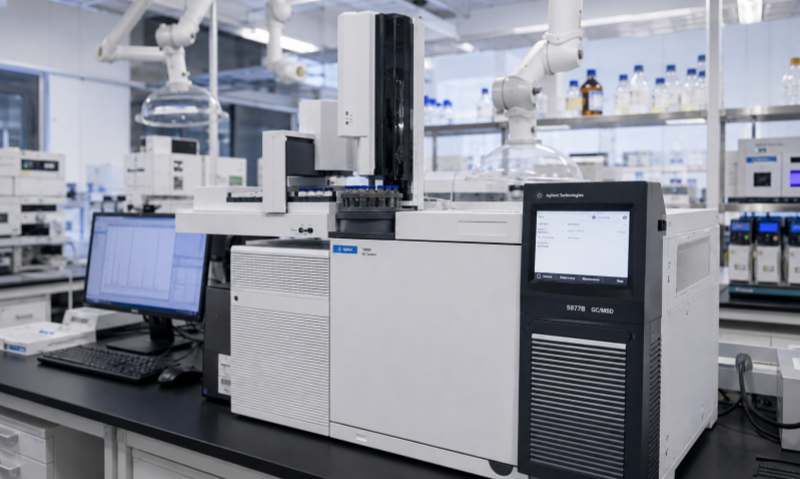
Two-stage rotary vane vacuum pumps are widely used in pharmaceutical laboratories, chemical laboratories, analytical instruments, vacuum drying systems, freeze dryers, filtration equipment, and other applications requiring reliable vacuum performance. Compared with single-stage rotary vane pumps, two-stage designs can generally achieve a lower ultimate pressure and are suitable for applications that require a deeper vacuum.
When a two-stage rotary vane vacuum pump develops a fault, technicians should not immediately disassemble the pump. Correct troubleshooting before repair is essential for identifying the actual cause, avoiding unnecessary replacement of components, reducing maintenance costs, and shortening equipment downtime. In many cases, poor vacuum performance is caused by external leaks, incorrect operating conditions, or contaminated pump oil rather than serious internal damage.
If the vacuum pump does not start, the first step is to inspect the electrical system.
Check the power supply, power switch, circuit breaker, fuse, electrical connections, and motor wiring. Confirm that the supplied voltage corresponds to the pump's rated voltage.
If the motor produces a humming sound but does not rotate, excessive mechanical resistance may be present. Possible causes include contaminated or excessively viscous pump oil, a seized pump mechanism, foreign material inside the pump, or a motor-related problem.
Disconnect the electrical power before carrying out any mechanical inspection. Never attempt to manually rotate internal components while the pump is connected to the power supply.
If the motor remains completely silent, the fault may be located in the power supply, switch, wiring, thermal protection device, or motor.
A motor that operates normally does not necessarily mean that the vacuum pump is functioning correctly.
Before opening the pump, inspect the entire external vacuum system. Check vacuum hoses, connectors, valves, O-rings, chamber seals, adapters, and other connections for leakage.
A small leak can prevent the system from reaching the expected vacuum level, especially when operating at low pressure.
If the external system is properly sealed, check the pump oil level and condition. Insufficient oil can reduce sealing and lubrication between the internal components. Incorrect oil, degraded oil, or contaminated oil can also cause poor vacuum performance.
If replacing contaminated oil does not restore the vacuum level, internal wear or damage should be considered.
One of the most common performance problems is that the pump cannot reach its specified ultimate vacuum.
Possible causes include contaminated oil, insufficient oil, worn rotary vanes, damaged seals, excessive internal clearance, leaking valves, or an incorrectly adjusted gas ballast.
The vacuum gauge should also be checked. A faulty or poorly calibrated gauge can give the impression that the pump is defective even when the pump itself is operating normally.
If the vacuum performance has gradually deteriorated over a long period, oil contamination and normal wear of internal components are common possibilities. If the performance suddenly deteriorates, external leakage, valve problems, oil contamination, or mechanical damage should be investigated first.
Vacuum pressure fluctuations can be caused by both the pump and the connected system.
Inspect the vacuum hose for cracks, loose connections, deformation, or blockage. Check all valves and seals for intermittent leakage.
If the external vacuum system is confirmed to be leak-free, observe the pump during operation. Excessive oil foaming, unstable oil circulation, contaminated oil, or internal mechanical wear may contribute to unstable vacuum pressure.
A sudden change in pressure accompanied by unusual noise should receive particular attention because it may indicate a mechanical problem inside the pump.
Two-stage rotary vane pumps normally generate some mechanical noise and vibration. However, a significant increase in noise or vibration may indicate a developing fault.
First check whether the pump is installed on a stable and level surface. Loose mounting bolts, an unstable workbench, or contact between the pump and surrounding equipment can amplify vibration.
Next, inspect the motor and pump housing for abnormal sounds. Grinding, knocking, rattling, or intermittent mechanical noise may indicate bearing wear, damaged vanes, foreign material, or other internal problems.
If the noise increases significantly after an oil change, verify that the correct oil has been used and that the oil level is within the manufacturer's specified range.
Pump oil plays an important role in sealing, lubrication, cooling, and vacuum performance. Oil condition should therefore be checked before deciding whether internal components require repair.
Dark, cloudy, or dirty oil may indicate contamination from the pumped gas or process materials. Water vapor and chemical vapors can also contaminate the oil.
If the oil level is low, inspect the pump for leakage and determine whether oil has been lost during operation.
Oil should be replaced according to the manufacturer's recommendations and the actual operating environment. When changing oil, technicians should also inspect the old oil for metal particles or other unusual materials. The presence of significant metal debris may indicate internal wear.
Oil mist around the exhaust outlet may be caused by excessive oil level, unsuitable operating conditions, contaminated oil, or an ineffective exhaust filter.
Check the oil level first. Overfilling the pump can increase oil carryover.
Inspect the exhaust filter and ventilation system if the pump is equipped with an oil-mist separator. A blocked filter can increase exhaust resistance and may affect pump operation.
External oil leakage should also be investigated. Check shaft seals, drain plugs, gaskets, oil-level windows, and housing joints.
Rotary vane vacuum pumps generate heat during continuous operation. However, excessive temperature can indicate an abnormal operating condition.
Possible causes include insufficient lubrication, incorrect oil viscosity, blocked ventilation, excessive ambient temperature, continuous operation at unsuitable pressure, or mechanical friction.
Make sure the cooling fins and ventilation openings are clean. Do not place the pump directly against walls or other equipment if this restricts airflow.
If overheating occurs together with increased noise, high current consumption, or reduced vacuum performance, stop the pump and conduct a more detailed inspection.
The gas ballast system is used to help remove condensable vapors from the pump. Incorrect use of the gas ballast can affect ultimate vacuum performance.
If the gas ballast remains open when deep vacuum is required, the ultimate vacuum may be worse than expected. If condensable vapors are being pumped, however, completely closing the gas ballast when it is needed may promote oil contamination.
The gas ballast valve should therefore be checked for correct operation and adjusted according to the application and manufacturer's instructions.
If external leakage, oil condition, electrical problems, and operating parameters have been eliminated as possible causes, internal mechanical wear should be considered.
Important components include rotary vanes, rotor surfaces, springs, bearings, seals, valve components, and internal surfaces.
Symptoms such as poor ultimate vacuum, abnormal noise, increased vibration, excessive heating, and metal particles in the oil may indicate internal wear.
At this stage, professional disassembly and inspection may be required. Before disassembly, technicians should record the original vacuum performance, oil condition, motor behavior, abnormal sounds, and operating temperature. These records can help determine the root cause after the pump has been opened.
A systematic inspection can significantly improve repair efficiency. A recommended sequence is:
Confirm the fault symptoms and operating history.
Check the electrical power supply and motor operation.
Inspect the external vacuum system for leaks.
Check the vacuum gauge and measurement method.
Inspect pump oil level and oil condition.
Check hoses, valves, seals, and connectors.
Inspect ventilation and cooling conditions.
Listen for abnormal noise and check vibration.
Check gas ballast operation.
Measure vacuum performance under controlled conditions.
Record all findings before disassembly.
Disassemble the pump only when external causes have been eliminated.
Troubleshooting a two-stage rotary vane vacuum pump before repair is an important part of preventive maintenance and professional servicing. A pump that cannot achieve the required vacuum does not necessarily have a damaged internal mechanism. External leakage, contaminated oil, incorrect oil level, vacuum-gauge errors, improper gas ballast settings, poor ventilation, and incorrect operating conditions can produce similar symptoms.
A careful diagnosis should therefore begin with the simplest external causes before moving to internal mechanical inspection. Recording vacuum pressure, oil condition, motor behavior, temperature, noise, and vibration can provide valuable information for maintenance personnel.
For pharmaceutical and laboratory applications, maintenance should follow the equipment manufacturer's instructions and the laboratory's approved SOPs. When internal components such as rotary vanes, bearings, seals, or rotors require replacement, qualified technicians should perform the repair and verify vacuum performance after servicing.
A structured pre-repair diagnosis not only reduces unnecessary disassembly but also helps identify the actual root cause, improve repair quality, and restore the two-stage rotary vane vacuum pump to stable and reliable operation.