
Consultation Hotline
+1 (302) 618-8777
+1 (302) 618-8777
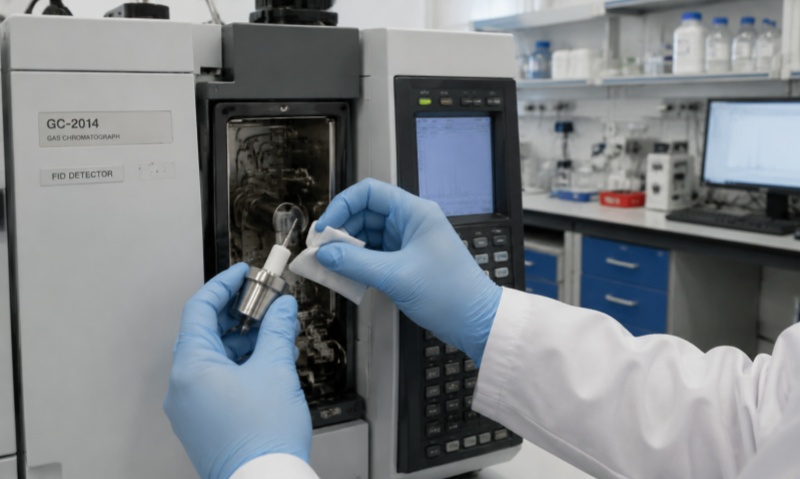
Automatic checkweighers are widely used in pharmaceutical laboratories and production environments to verify the weight of samples, packages, containers, bottles, blister packs, and other pharmaceutical products. By continuously measuring product weight and automatically identifying items that are outside the preset limits, a checkweigher can improve quality control, reduce manual inspection, and help maintain consistent production standards.
However, pharmaceutical laboratory checkweighers are precision instruments. Problems such as unstable readings, incorrect weight values, conveyor failures, rejection errors, and communication faults can affect measurement accuracy and operational efficiency. Understanding common symptoms and troubleshooting procedures is therefore essential for laboratory personnel and maintenance technicians.
One of the most common problems is weight fluctuation when the same product is measured repeatedly. The displayed value may change continuously even when the product weight is stable.
Possible causes include vibration, an unstable installation surface, air movement, contamination around the weighing platform, or excessive conveyor movement. Temperature changes and electrical interference can also affect sensitive weighing systems.
First, place the checkweigher on a stable and level surface. Make sure it is not exposed to strong airflow from air conditioners, ventilation systems, or laboratory equipment. Inspect the weighing platform and conveyor for dust, powder, liquid, or product residue.
The weighing sensor should also be checked for mechanical contact. Nothing should touch the weighing platform except the intended load. After cleaning and mechanical inspection, allow the instrument to reach a stable operating temperature and perform a zero check and calibration according to the manufacturer's procedure.
If the checkweigher consistently displays weights that are higher or lower than the actual product weight, calibration should be investigated.
Begin by checking whether the correct weighing range and product recipe have been selected. Incorrect tare values, unit settings, product parameters, or calibration coefficients can produce systematic errors.
Use a certified reference weight appropriate for the instrument's measurement range. Perform a zero-point check followed by a span calibration. If the error remains after calibration, inspect the load cell, signal cable, connectors, and weighing mechanism.
A damaged load cell should not normally be repaired by unauthorized personnel. It should be evaluated and replaced according to the manufacturer's specifications.
Zero drift occurs when the displayed weight changes even though there is no product on the weighing platform.
Common causes include temperature variation, mechanical stress, material buildup, load-cell instability, or an incorrect zero-setting procedure.
Clean the weighing area carefully and remove all foreign material. Check whether the conveyor belt or weighing platform is mechanically touching adjacent components. Confirm that the instrument is properly leveled.
If zero drift continues, monitor the instrument after warm-up. Persistent drift may indicate a load-cell problem, electrical instability, or environmental interference and may require professional service.
A checkweigher cannot operate correctly if the conveyor system fails to start or stops unexpectedly.
First check the power supply, emergency-stop button, safety interlocks, and operating mode. Some systems will prevent the conveyor from running if a guard or access door is not correctly closed.
Inspect the conveyor belt for excessive tension, product blockage, foreign objects, or mechanical resistance. Check the drive motor, gearbox, belt, rollers, and relevant electrical connections.
If the motor produces abnormal noise but the belt does not move, a mechanical obstruction or drive-system problem may be present. If the motor does not respond at all, electrical controls, sensors, or the motor drive should be inspected.
Automatic checkweighers normally use photoelectric sensors or other detection devices to identify incoming products. If the sensor fails to detect a product, the system may not perform a weighing operation.
Clean the sensor lens and reflector if applicable. Check whether the sensor position has shifted and verify that the product passes through the intended detection area.
Strong external light, transparent packaging, reflective surfaces, or incorrect sensor sensitivity can sometimes cause detection problems. Sensor alignment and sensitivity should therefore be adjusted according to the equipment manual.
A rejection system removes products that are outside the specified weight limits. If acceptable products are rejected or overweight/underweight products pass through, the rejection parameters should be checked.
Confirm the upper and lower weight limits, product recipe, delay time, and rejection duration. The physical position of the reject mechanism must correspond correctly to the weighing position.
Inspect pneumatic systems for insufficient air pressure, leaks, blocked tubing, or damaged valves if the machine uses pneumatic rejection. For electrically driven reject mechanisms, check the actuator, motor, sensors, and control signals.
If measurement errors increase over time, environmental and mechanical conditions should be investigated.
Dust, powder, liquid residues, temperature fluctuations, vibration, and improper cleaning can gradually affect weighing performance. Pharmaceutical environments require particularly careful cleaning because contamination can also create hygiene and cross-contamination risks.
The weighing area should be cleaned according to the laboratory's validated cleaning procedure. Avoid allowing cleaning liquids to enter electrical components, load cells, connectors, or control cabinets.
Routine preventive maintenance should include inspection of the conveyor, weighing mechanism, sensors, cables, connectors, and calibration status.
A frozen touchscreen, incorrect display, or unresponsive control interface can result from software errors, communication problems, power interruptions, or hardware faults.
Restart the equipment according to the manufacturer's approved shutdown and startup procedure. Check power connections and communication cables. Verify that the selected product recipe and operating mode are correct.
If the problem repeatedly occurs after restarting, record the error code and operating conditions rather than repeatedly powering the system on and off. This information can help service personnel identify the root cause.
Modern pharmaceutical checkweighers may communicate with laboratory information systems, production management systems, PLCs, barcode scanners, or other instruments.
If communication is interrupted, check the physical connection first. Verify Ethernet, serial, USB, or other communication interfaces depending on the system configuration.
Network settings, IP addresses, communication protocols, software configuration, and device permissions should also be checked. Changes to validated software or network configurations should be performed under the laboratory's appropriate change-control procedures.
Preventive maintenance is more effective than waiting for a checkweigher to fail. Operators should perform routine visual inspections, clean the weighing platform, verify zero stability, check sensors, inspect conveyor components, and monitor calibration status.
Calibration should be performed using appropriate certified reference weights and according to the manufacturer's recommended procedure and the laboratory's quality system.
Maintenance records should include the date, equipment identification, observed problem, corrective action, calibration results, replacement parts, and technician information. For pharmaceutical applications, proper documentation is particularly important for traceability and equipment qualification.
Troubleshooting an automatic checkweigher should begin with the simplest possible causes: environmental conditions, contamination, incorrect settings, mechanical obstruction, sensor alignment, and calibration. If these factors are eliminated and the problem remains, attention should turn to the load cell, electrical system, motor, control system, software, or communication components.
For pharmaceutical laboratories, maintenance should always consider both measurement accuracy and compliance requirements. Operators should avoid unauthorized modifications to critical parameters and should follow the equipment manufacturer's maintenance instructions and the laboratory's SOPs.
A systematic approach—symptom identification, environmental inspection, parameter verification, mechanical inspection, calibration verification, and professional diagnosis when necessary—can significantly reduce downtime and help maintain reliable weighing performance.