
Consultation Hotline
+1 (302) 618-8777
+1 (302) 618-8777
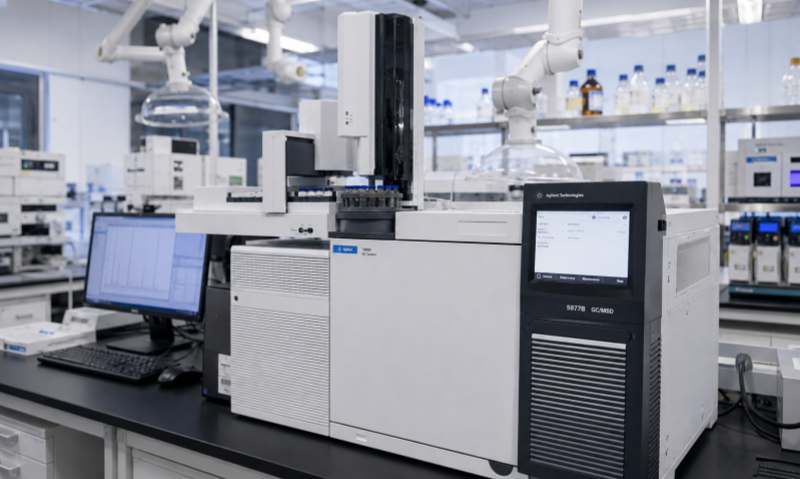
Temperature and humidity test chambers are widely used in pharmaceutical laboratories, biotechnology, electronics, materials research, chemical testing, and quality-control applications. The compressor is one of the most important components of the refrigeration system. It circulates refrigerant through the refrigeration circuit and provides the cooling capacity required to maintain the programmed temperature.
Compressor failure can cause slow cooling, unstable temperature control, excessive noise, repeated alarms, or complete loss of refrigeration. In many cases, compressor damage is not caused by a single sudden event but develops gradually because of poor maintenance, abnormal operating conditions, or incorrect servicing.
The following are six common causes of compressor damage and practical methods for prevention.
Insufficient heat dissipation is one of the most common causes of compressor overheating.
The condenser releases heat from the refrigerant to the surrounding environment. If the condenser surface is covered with dust, dirt, or other contaminants, heat transfer efficiency decreases. The compressor must then operate under a higher load, causing the discharge temperature and operating current to increase.
The chamber should therefore be installed in a well-ventilated area with adequate clearance around the equipment. The condenser and ventilation areas should be cleaned periodically according to the manufacturer's maintenance requirements.
Frequent compressor starts and stops can increase mechanical and electrical stress.
When a compressor starts, the motor requires a relatively high starting current. If the compressor repeatedly starts and stops within a short period, the motor and electrical components may experience excessive thermal stress.
Frequent cycling may be caused by incorrect temperature-control parameters, insufficient refrigeration capacity, sensor problems, poor heat dissipation, or unstable power supply.
The control system, temperature sensor, and refrigeration circuit should be inspected if the compressor cycles unusually frequently.
Incorrect refrigerant charge can negatively affect compressor performance.
If the refrigerant level is too low because of leakage, the refrigeration capacity may decrease and the compressor may operate under abnormal conditions. Continuous operation under insufficient refrigerant conditions can increase compressor temperature and reduce service life.
On the other hand, excessive refrigerant can also cause abnormal system pressure and increase the mechanical load on the compressor.
Refrigerant charging should therefore not be performed simply by adding refrigerant without diagnosis. A qualified technician should first inspect the system for leakage and confirm the appropriate refrigerant type and charge according to the manufacturer's specifications.
The compressor requires appropriate lubrication to reduce friction between internal moving components.
Insufficient oil, degraded oil, incorrect oil, or oil circulation problems can increase friction and operating temperature. Over time, this may cause wear to bearings, pistons, scroll components, or other internal parts.
Lubricating oil problems may result from refrigerant leakage, improper maintenance, incorrect servicing, or long-term operation under abnormal conditions.
If a compressor shows abnormal noise, overheating, or signs of mechanical wear, the lubrication system should be investigated by qualified refrigeration personnel.
Electrical abnormalities are another major cause of compressor damage.
Unstable voltage, phase imbalance in three-phase systems, loose electrical connections, damaged capacitors, faulty contactors, or motor insulation problems can prevent the compressor from operating normally.
Low voltage may cause increased operating current, while excessive voltage or electrical instability can damage motor windings and control components.
Electrical connections and protective devices should be inspected periodically. If the compressor repeatedly trips a circuit breaker or overload protector, the cause should be identified before resetting the equipment.
Repeatedly forcing the compressor to restart without determining the cause may result in more serious damage.
Operating the test chamber beyond its intended conditions can place excessive stress on the refrigeration system.
For example, placing large amounts of high-temperature material inside the chamber can create a sudden refrigeration load. Leaving the chamber door open for a long time can also introduce large amounts of heat and moisture.
In addition, failure to perform regular maintenance can allow small problems to develop into major compressor failures.
Routine maintenance should include cleaning the condenser, checking ventilation, inspecting electrical connections, monitoring refrigeration performance, checking abnormal noises, and verifying temperature-control accuracy.
Several symptoms may indicate that a compressor requires inspection. These include unusually loud operating noise, excessive vibration, prolonged cooling time, frequent overload protection, abnormal discharge temperature, unstable chamber temperature, or continuous compressor operation without reaching the set temperature.
If any of these symptoms appear, the equipment should be inspected promptly rather than operated continuously under abnormal conditions.
To extend compressor service life, operators should keep the condenser clean, maintain adequate ventilation around the chamber, avoid unnecessary door opening, prevent excessive loading, and follow the manufacturer's operating limits.
Temperature and humidity sensors should also be checked periodically because incorrect sensor readings can cause inappropriate compressor operation.
Maintenance records should include compressor operating conditions, cleaning dates, abnormal alarms, repairs, and replacement of refrigeration components. Early identification of abnormal conditions can significantly reduce the risk of major compressor failure.
Compressor damage in temperature and humidity test chambers is commonly associated with poor heat dissipation, frequent starting and stopping, incorrect refrigerant conditions, lubrication problems, electrical faults, and improper operation or insufficient maintenance.
A compressor is a critical refrigeration component, and replacing it without identifying the underlying cause may result in repeated failure. Proper diagnosis should consider the complete refrigeration system, electrical system, control system, and operating environment.
Regular cleaning, stable operating conditions, correct refrigeration maintenance, electrical inspection, and timely troubleshooting can help maintain cooling performance and extend compressor service life. When refrigeration or electrical repairs are required, qualified technicians should perform the work according to the manufacturer's specifications and applicable safety procedures.