
Consultation Hotline
+1 (302) 618-8777
+1 (302) 618-8777
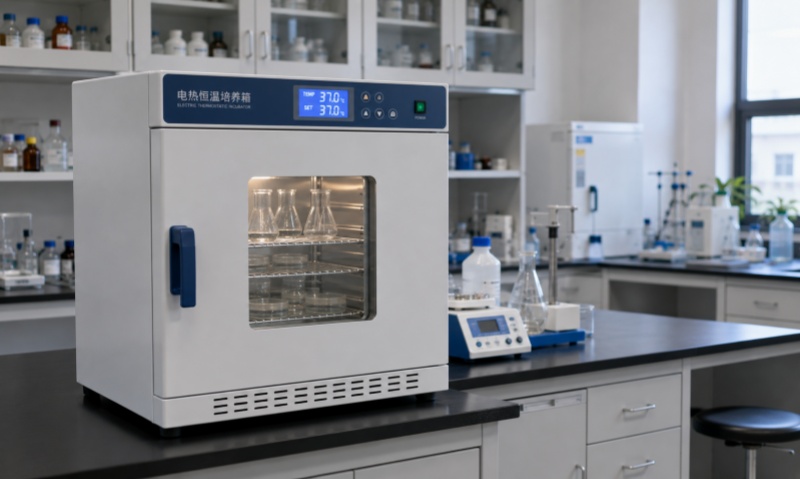
Water bath shaking incubators, also known as shaking water baths, are commonly used in pharmaceutical laboratories, biotechnology, microbiology, food testing, chemical research, and other scientific applications. They combine controlled temperature with continuous shaking, allowing samples to be maintained under stable thermal and mixing conditions.
Because the equipment contains a heating system, circulation system, shaking mechanism, temperature sensor, and control system, improper operation or insufficient maintenance may result in temperature instability, abnormal shaking, water leakage, or electrical faults. Understanding common problems and their solutions can help laboratory personnel maintain reliable operation.
One common problem is that the water bath cannot reach the programmed temperature or takes an unusually long time to heat.
First, check the water level. If the water level is too low, the heating element may not be adequately immersed, reducing heating efficiency and potentially activating a safety protection device.
Next, check whether the heating element is operating normally. Scale or deposits on the heating element can reduce heat-transfer efficiency and increase heating time.
The temperature sensor should also be inspected if the displayed temperature appears significantly different from the actual water temperature. A calibrated thermometer can be used as a reference for verification.
Temperature instability may be caused by poor water circulation, insufficient water volume, sensor problems, or incorrect controller settings.
The water should normally cover the appropriate working area according to the equipment manufacturer's requirements. The circulation system should operate smoothly so that heat is distributed evenly throughout the bath.
If the water temperature varies significantly between different positions, inspect the circulation mechanism and remove any obstruction around the water-flow path.
Sensor aging or calibration drift can also result in inaccurate temperature control. Periodic temperature verification is recommended for applications requiring high accuracy.
If the platform does not shake, first check whether the shaking function has been correctly programmed and whether the equipment is in a normal operating mode.
Inspect the drive motor, belt, coupling, and mechanical transmission system for abnormal conditions. Excessive sample loading can increase mechanical resistance and prevent normal movement.
If the motor produces an unusual sound but the platform does not move, there may be a problem with the transmission mechanism.
The equipment should be switched off before inspecting mechanical components.
Uneven sample distribution is one of the most common causes of excessive vibration.
Containers should be distributed evenly on the shaking platform. Heavy containers should not be concentrated on one side.
Loose clamps or poorly secured sample bottles can also create abnormal movement. Check that all containers are properly fixed before starting the shaker.
If abnormal vibration continues after correcting the load, inspect the platform, drive mechanism, bearings, and motor for wear or mechanical damage.
If the actual temperature exceeds the programmed value, check the temperature sensor and controller.
A sensor that provides an incorrect signal may cause the controller to continue heating even after the target temperature has been reached.
The heating relay or control circuit may also malfunction. Because these components are part of the electrical control system, inspection should be performed by qualified personnel.
An independent calibrated thermometer can help determine whether the displayed temperature is accurate.
Water leakage should be addressed immediately because water may reach electrical components.
Check the water tank, drain valve, drain pipe, seals, and connections for cracks or loose fittings.
If the leakage comes from a damaged tank or seal, the affected component should be repaired or replaced before the equipment is used again.
Never continue operating the unit when water has entered the electrical compartment.
Abnormal noise may indicate motor problems, bearing wear, loose screws, or problems with the transmission mechanism.
First, stop the equipment and check whether the shaking platform or external components are loose.
If the noise changes with shaking speed, inspect the motor and mechanical transmission system. Bearings may require maintenance or replacement after prolonged operation.
Ignoring unusual noise can result in more serious mechanical damage.
Water quality has a direct effect on the service life of a water bath.
Poor-quality water can cause mineral deposits, scale formation, and corrosion on heating elements and internal surfaces.
The water should be replaced regularly according to the operating environment and manufacturer's recommendations. The bath should also be cleaned periodically to remove scale, biological growth, and sample residues.
For sensitive laboratory applications, the recommended water quality should be followed carefully.
Before operation, check the water level, platform condition, clamps, temperature setting, and electrical connections.
After use, remove samples and clean the shaking platform. If the equipment will not be used for an extended period, drain the water and dry the chamber according to the manufacturer's instructions.
The external surface should also be kept clean and dry.
Water bath shaking incubators provide both controlled heating and mechanical shaking, making them valuable laboratory devices for sample incubation and mixing. Common problems include insufficient heating, temperature fluctuations, shaking failure, excessive vibration, overheating, water leakage, abnormal noise, and water-quality problems.
A systematic troubleshooting approach should begin with simple factors such as water level, sample loading, platform condition, and operating settings before moving to sensors, heating components, motors, and control circuits.
Regular water replacement, chamber cleaning, mechanical inspection, temperature verification, and preventive maintenance can significantly improve equipment reliability. When electrical, heating, motor, or control-system faults occur, qualified technicians should perform inspection and repair according to the manufacturer's procedures.