Consultation Hotline
+1 (302) 618-8777
+1 (302) 618-8777
Current location:Home > Product > Liquid Handler


PRODUCT CATEGORY
Related Articles
Detailed Introduction
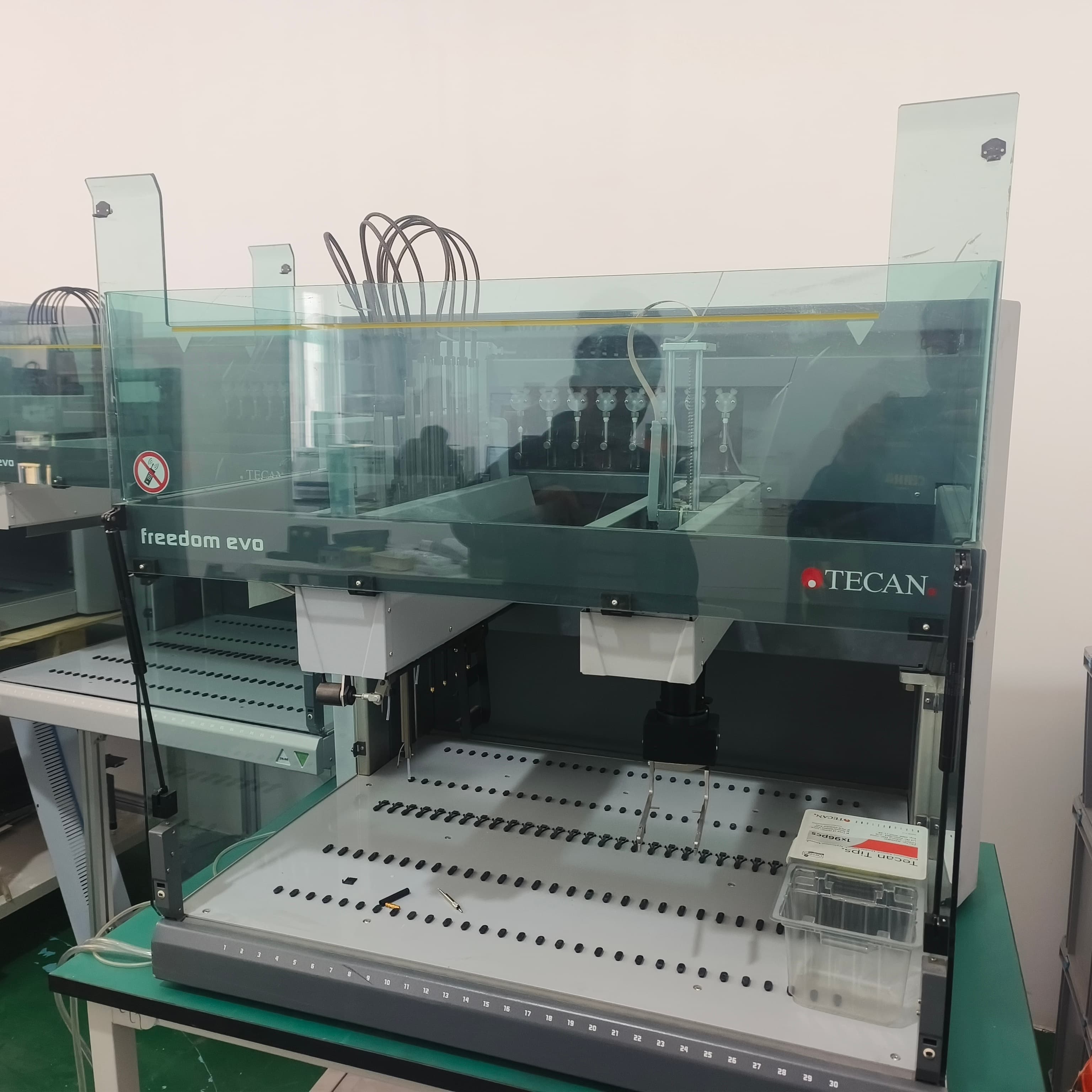
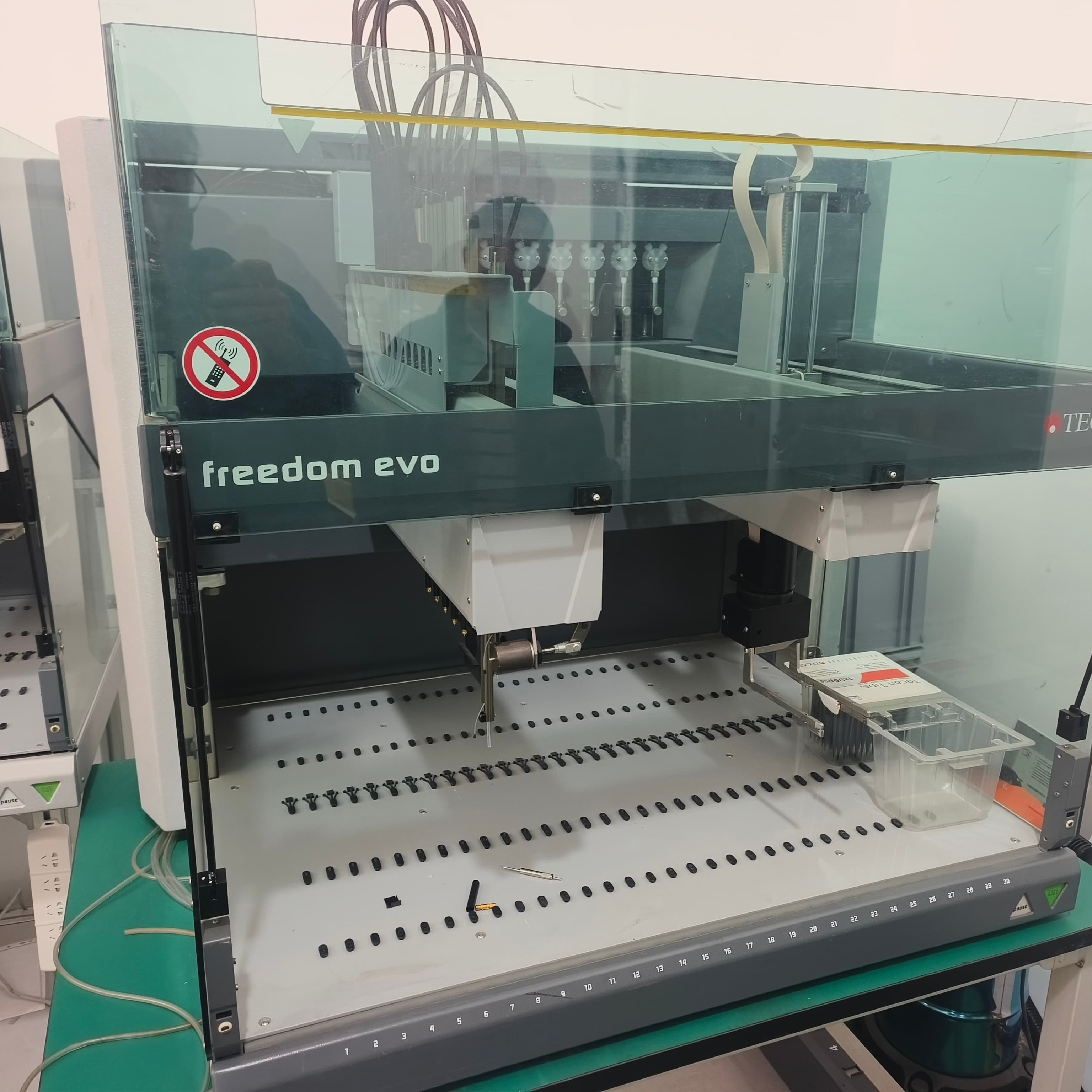
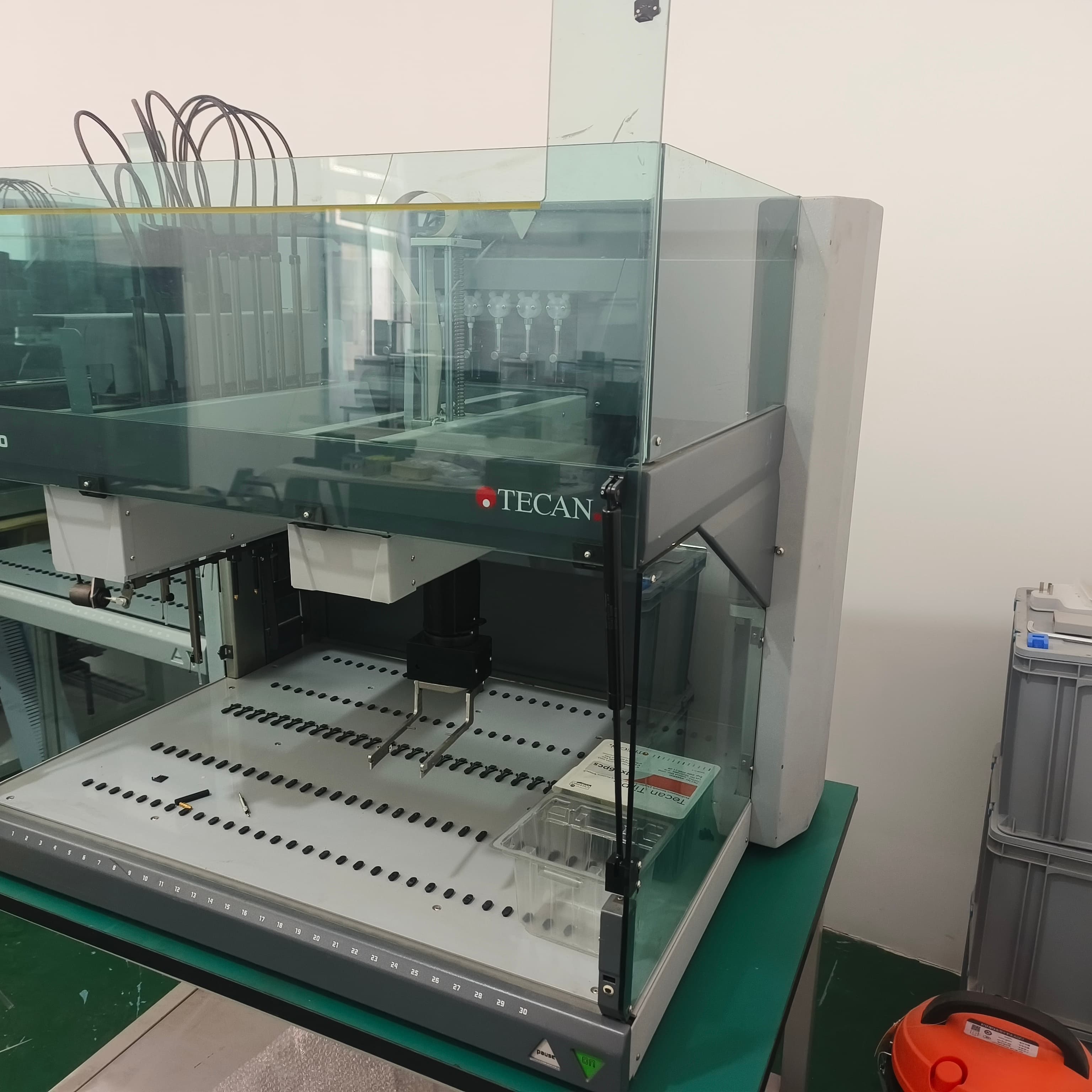
Hamilton Automated Liquid Handlers, primarily represented by the renowned Microlab STAR series, the compact NIMBUS, the entry-level Prep, and the next-generation VANTAGE platform, stand as the gold standard in laboratory automation for life sciences, clinical diagnostics, forensic science, and pharmaceutical drug discovery. For decades, Hamilton has pioneered precision fluidics, introducing the world’s first semi-automated dilutor in the 1970s and the first fully automated sample preparation workstation in the 1980s. Today, these platforms are engineered to eliminate manual pipetting bottlenecks, delivering unparalleled accuracy, precision, and reproducibility for workflows ranging from low-throughput research to ultra-high-throughput screening (uHTS). The core philosophy behind Hamilton’s automation lies in its modular, scalable architecture; laboratories can select from various deck sizes—such as the STARlet for compact benchtop needs, the STAR for standard throughput, and the STARplus or VANTAGE for maximum capacity—and configure them with multiple robotic arms. These include Independent Pipetting Channels (IPCs) for flexible 1 to 16-channel pipetting, Multi-Probe Heads (MPH) for rapid 96 or 384-channel plate transfers, and Robotic Grippers or the iSWAP arm for autonomous labware movement. This flexibility allows the workstation to evolve with changing research demands, integrating seamlessly with third-party devices like plate readers, washer/dispensers, centrifuges, incubators, and barcode scanners to create a fully automated, walk-away workflow that maximizes productivity and data integrity.
The technological superiority of the Hamilton Automated Liquid Handler is anchored by several patented pipetting innovations that solve the most common challenges in liquid handling. Central to this is the CO-RE (Compressed O-Ring Expansion) technology, a proprietary tip attachment system that uses a lock-and-key principle to create a perfect, high-pressure seal between the pipette channel and the tip or tool. Unlike traditional systems that rely on vertical force to seat tips, CO-RE requires no downward pressure, eliminating mechanical stress, reducing tip ejection aerosols, and ensuring exact tip alignment for consistent accuracy. Complementing this is the air-displacement pipetting mechanism, which, akin to manual pipettes but far more controlled, avoids the need for system liquids and reduces contamination risks. Hamilton enhances this further with Monitored Air Displacement (MAD), which tracks air pressure in each channel during aspiration to instantly detect empty wells, clots, or foaming. For challenging fluids, the Anti-Droplet Control (ADC) monitors pressure variations to prevent dripping of volatile solvents like acetonitrile or ethanol, while the Dynamic Liquid Classification (DLC) automatically adjusts parameters based on liquid viscosity and volatility. Furthermore, Dual Liquid Level Detection (LLD) employs both capacitive sensors for conductive liquids and pressure sensors for non-conductive, viscous, or unknown samples, ensuring reliable aspiration every time. Total Aspiration and Dispense Monitoring (TADM) provides real-time pressure change analysis during liquid transfers, verifying success and creating a digital audit trail for complete sample traceability and regulatory compliance, such as 21 CFR Part 11.
Operation and integration of the Hamilton Automated Liquid Handler are streamlined through the powerful VENUS software suite, a vector-based programming environment that supports both intuitive drag-and-drop workflow creation for novice users and complex scripting for advanced developers. VENUS features "Power Steps," which are pre-defined, optimized modules for common tasks like serial dilution, reagent addition, sample transfer, and hit-picking, allowing users to build sophisticated methods without writing code. The software facilitates full integration with Laboratory Information Management Systems (LIMS) and offers tools for simulation, debugging, and error recovery, ensuring robust unattended operation. These workstations excel in a vast array of applications: in genomics, they automate nucleic acid extraction, quantification, normalization, and NGS library preparation; in proteomics and cell biology, they handle protein precipitation, cell culture media changes, and assay plate setups; in clinical and diagnostic labs, they manage ELISA/CLIA processing, sample aliquoting, and forensic toxicology workflows; and in pharma, they are indispensable for dose-response curves, solubility studies, and ADME/Tox screening. With a global installed base, extensive application support, and a commitment to pipetting excellence, Hamilton Automated Liquid Handlers empower scientists to transition from repetitive manual labor to high-value data analysis, driving efficiency and reliability in the modern laboratory.
Key Technical Specifications:
|
Parameter |
Specification |
|---|---|
|
Product Families |
Microlab STAR (STARlet, STAR, STARplus), VANTAGE, NIMBUS, Prep |
|
Pipetting Technology |
Air Displacement (Monitored/MAD), Liquid Displacement (optional) |
|
Tip/Tool Interface |
CO-RE (Compressed O-Ring Expansion) II Technology |
|
Channel Configurations |
1 to 16 Independent Channels (IPC); 96/384 Multi-Probe Heads (MPH) |
|
Volume Range |
0.5 µL to 5 mL (depending on channel/tool and tip) |
|
Pipetting Precision (CV) |
Typically ≤ 1.5% at 100 µL; ≤ 3% at 10 µL; ≤ 10% at 1 µL (water, std tip) |
|
Positioning Accuracy |
X, Y, Z: ± 0.1 mm |
|
Liquid Level Detection |
Dual LLD: Capacitive (cLLD) + Pressure-based (pLLD) |
|
Monitoring Features |
TAD, MAD, TADM (Total Aspiration & Dispense Monitoring), ADC, DLC, LFC |
|
Robotic Arms |
Pipetting Arm(s), Gripper Arm (iSWAP/CO-RE Gripper), optional Plate Crane |
|
Integrated Modules |
Heater Shakers, Heater Coolers, Magnetic Separation (Te-MagS), Vacuum Manifolds (Te-VacS), Barcode Readers (1D/2D), Dispensers, Trash |
|
Control Software |
VENUS (Vector ENvironment for Universal Simulation), supports 21 CFR Part 11 |
|
Programming Interface |
Drag-and-drop (Power Steps), Scripting (Visual Basic-like), Simulation Mode |
|
Sample Tracking |
Integrated barcode scanning (Autoload), digital audit trails, LIMS connectivity |
|
Deck Sizes (Examples) |
STARlet: ~1000 mm width; STAR: ~1300 mm; STARplus/VANTAGE: ~1600+ mm |
|
Common Applications |
NGS Library Prep, PCR/qPCR Setup, ELISA, Cell Culture, HTS, ADME/Tox, Forensics, Diagnostics |
|
Power/Environment |
100-240 VAC, 50/60 Hz; 15–30°C, 20–80% RH (non-condensing) |
Product Inquiry