
Consultation Hotline
+1 (302) 618-8777
+1 (302) 618-8777
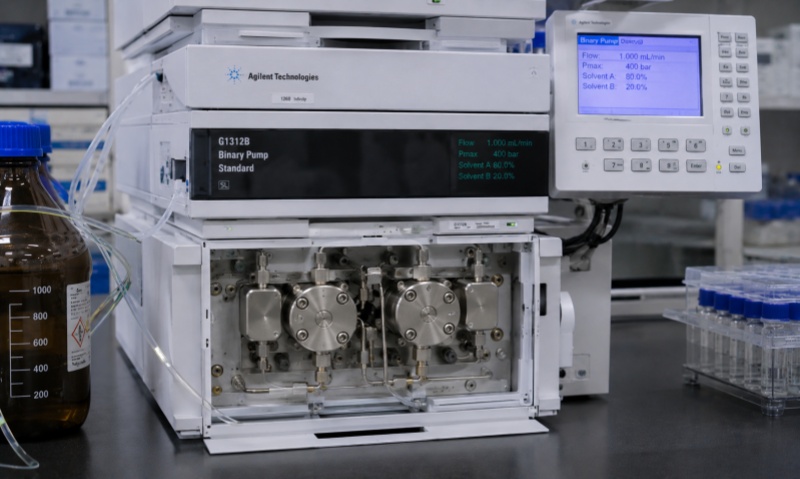
A radiation detector is an important instrument used to detect and measure ionizing radiation such as alpha particles, beta particles, gamma rays, and X-rays. It is widely applied in laboratories, hospitals, nuclear facilities, environmental monitoring, industrial inspection, and radiation safety management. Understanding its structure, working principle, operating procedure, and troubleshooting methods is essential for obtaining accurate and reliable measurements.
A typical radiation detector consists of several major components. The radiation sensing unit is the core component and converts incoming radiation into electrical signals. Depending on the instrument design, the detector may use a Geiger-Müller tube, scintillation crystal, semiconductor detector, or ionization chamber.
The high-voltage or bias circuit provides the appropriate operating voltage for the sensing element. The signal processing circuit amplifies, shapes, and analyzes the electrical pulses generated by radiation. A microprocessor then converts these signals into measurement results.
Other components include the display, control panel, power supply, alarm system, data storage module, communication interface, and protective housing. Portable instruments may also contain rechargeable batteries and wireless communication modules.
The basic principle is to convert radiation energy into a measurable electrical signal. When ionizing radiation enters the detector, it interacts with the sensing material and produces ionization, excitation, or electron-hole pairs.
In a Geiger-Müller detector, radiation ionizes the gas inside the tube, producing an electrical pulse. The instrument counts these pulses and calculates the radiation count rate.
A scintillation detector works differently. Radiation interacts with a scintillation crystal and produces flashes of light. A photomultiplier tube or semiconductor photosensor converts the light into an electrical signal.
Semiconductor detectors directly generate charge carriers when radiation deposits energy in the semiconductor material. These signals can provide useful information about radiation intensity and, in some systems, energy.
Before operation, inspect the detector, power supply, cables, sensing window, and accessories. Confirm that the instrument is suitable for the type and expected level of radiation being measured.
Turn on the instrument and allow it to complete its self-test and stabilization process. If required, perform background measurement or zero adjustment according to the manufacturer's instructions.
Select the appropriate measurement mode and unit, such as counts per minute (CPM), counts per second (CPS), or dose rate. Position the detector at the required measurement location without unnecessarily exposing personnel to radiation.
Record the measurement after the reading has stabilized. For scientific or safety-related measurements, repeated measurements should be performed to improve reliability. After use, clean the external surface if necessary and store the detector in a suitable dry environment.
No power: Check the battery condition, power adapter, fuse, and power connection. If the instrument remains unresponsive, professional service may be required.
Unstable readings: Check for electromagnetic interference, poor detector connections, environmental changes, or insufficient stabilization time. Increasing the measurement time can also improve statistical stability.
Unexpectedly high readings: First verify that there is no actual radiation source nearby. Check background levels and detector contamination, then inspect the sensing unit and calibration status.
No radiation response: Confirm that the correct measurement mode is selected and that the detector window is not damaged or obstructed. Check the high-voltage supply and detector electronics through qualified service personnel.
Alarm activates unexpectedly: Verify alarm thresholds, background radiation, sensor condition, and calibration status.
Reliable radiation measurement depends on proper detector selection, correct operation, regular calibration, and timely maintenance. Operators should always follow the manufacturer's instructions and applicable radiation-safety regulations. When a detector shows persistent abnormal behavior, internal circuits or high-voltage components should only be inspected by qualified technicians. Proper operation and preventive maintenance can significantly improve measurement accuracy, equipment reliability, and radiation safety.