
Consultation Hotline
+1 (302) 618-8777
+1 (302) 618-8777
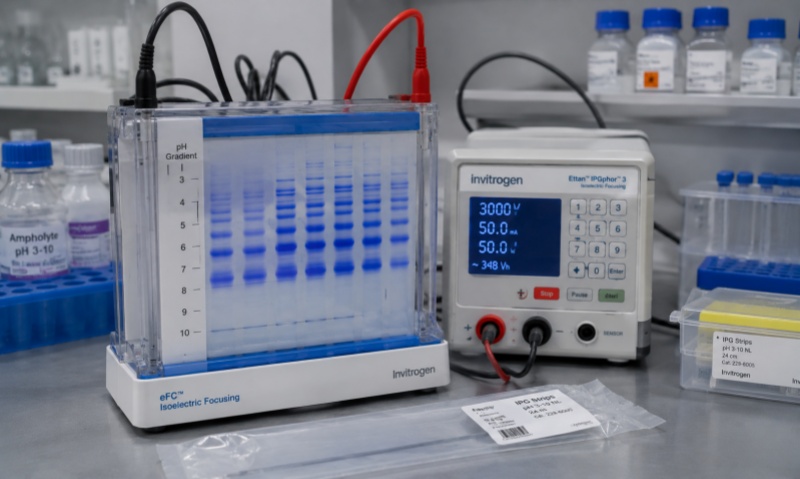
Industrial pH meters are critical for monitoring chemical processes, wastewater treatment, and food production. When readings become erratic or calibration fails, the cause can lie in the electrode, the instrument, the cable, the buffer solution, or the sample itself. A systematic step-by-step troubleshooting approach is essential to avoid unnecessary replacements and costly downtime .
If the display shows no reading, stays fixed, or goes out of range, the problem may be with the meter or its connection .
Quick Diagnostic Steps:
Check the power supply: Ensure the instrument powers on. Replace batteries or verify the power adapter is working .
Switch to mV Mode with a Shorting Plug: Connect a shorting plug to the input. The reading should be 0 mV (within the meter's specified accuracy). If not, the instrument may have an internal issue or grounding problem .
Use a pH Simulator: Inject known mV signals corresponding to pH 4.01, 7.00, and 10.00 (approximately +180 mV, 0 mV, and -180 mV). Incorrect readings indicate a meter fault requiring professional service or a factory reset .
Inspect Cables and Connectors: Ensure cable connectors are clean, dry, and free from corrosion. Moisture or dirt in the connector is a common source of measurement errors . If the electrode has a detachable cable, try replacing it. For fixed cables, gently bend the cable while watching for signal changes to reveal intermittent breaks .
The electrode is the most frequent source of pH measurement problems, causing symptoms like slow response, drift, or inability to calibrate .
Inspection and Cleaning:
Visual Check: Inspect the glass bulb for cracks or scratches. A damaged bulb cannot be repaired and requires replacement .
Check Reference Junction: Ensure the reference junction (the porous ceramic or Teflon ring near the bulb) is not clogged or contaminated. Salt crystal buildup can be rinsed off with distilled water .
The 0.10 pH Rule: To determine if cleaning is needed, remove the electrode, rinse it, and place it in pH 4.01 buffer. If the reading is within 0.10 pH of the buffer value, the electrode is clean. If not, it requires cleaning .
Cleaning Procedure:
General Cleaning: Use a soft brush to gently remove debris, taking care not to scratch the glass bulb .
Targeted Cleaning: The cleaning solution depends on the contaminant. For oil/grease, use a surfactant. For calcium or metal hydroxide deposits, use 10% HCl. For sulfide deposits, a mixture of 10% HCl and saturated thiourea works best. For protein contamination, use 10% HCl with pepsin .
Post-Cleaning Check: After cleaning, rinse thoroughly and check the reading in pH 4.01 buffer again. If it is now within 0.10 pH, the electrode is clean and may not need recalibration .
If the electrode and meter check out, suspect the buffers. Used or expired buffers are a leading cause of calibration errors .
Key Buffer Checks:
Use Fresh Buffers: Calibration buffers should be considered contaminated after one use. Do not reuse them .
Check Expiry Dates: Never use expired buffer solutions, as their pH value will have shifted .
Avoid CO₂ Absorption: Basic buffers (pH 10 and above) absorb carbon dioxide from the air, changing their pH. Do not leave these bottles open for long periods .
Follow Correct Calibration Sequence: Perform at least a two-point calibration. pH 7.00 should be the first calibration point, followed by a second buffer that brackets your expected sample range and differs by at least 2 pH units .
Temperature Compensation: The pH of buffers is temperature-dependent. Ensure the meter's temperature compensation setting matches the actual buffer temperature .
Effective pH meter troubleshooting follows a logical sequence: isolate the meter and cables first, then focus on the electrode (the most common culprit), and finally verify buffer integrity. Regular maintenance—including cleaning, proper storage in KCl solution, and periodic recalibration—is the best preventative measure . When all checks point to an internal hardware failure, do not attempt repair on critical process instrumentation; instead, contact the manufacturer or a qualified service provider