
Consultation Hotline
+1 (302) 618-8777
+1 (302) 618-8777
Current location:Home > Product > Biological Instruments > Plate Reader
PRODUCT CATEGORY
Related Articles
Detailed Introduction
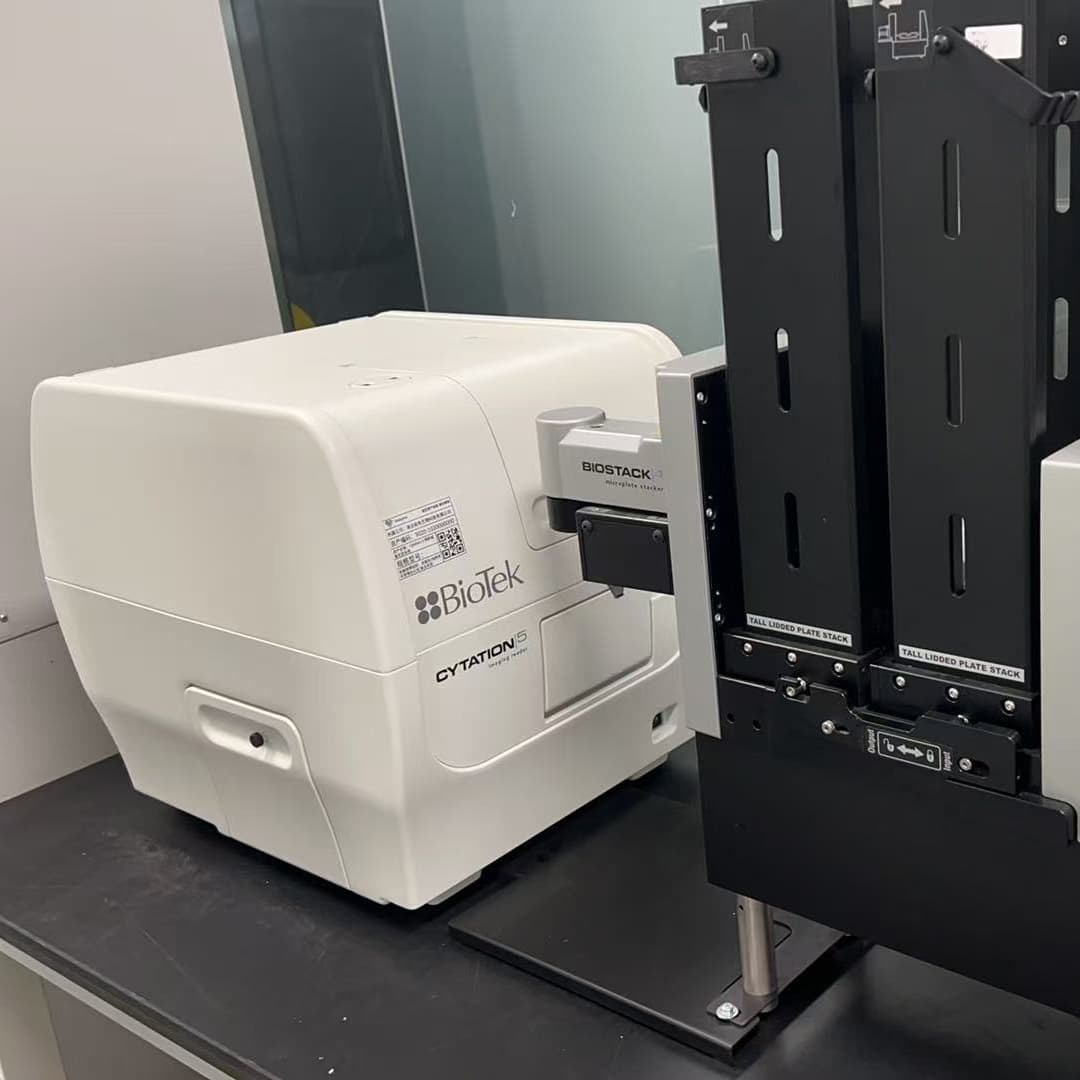
The BioTek Cytation 5 Cell Imaging Multi-Mode Microplate Detection System is a uniquely integrated, modular, and upgradable platform that combines automated digital widefield microscopy with conventional multi-mode microplate detection. Developed by BioTek (now part of Agilent Technologies), this system is designed to bridge the gap between quantitative well-based data and qualitative phenotypic cellular information within a single instrument. Its core innovation lies in the patented Hybrid Technology™, which incorporates both variable bandwidth monochromator optics and high-sensitivity filter-based detection optics. This hybrid optical design provides unmatched flexibility and performance for a vast array of biochemical and cell-based assays, allowing researchers to optimize assay conditions with tunable bandwidths (9–50 nm in 1 nm increments) or utilize dedicated filter sets for specialized applications like Fluorescence Polarization (FP), Time-Resolved Fluorescence (TRF), and laser-based Alpha technologies (AlphaScreen/AlphaLISA).
The imaging module of the Cytation 5 transforms the instrument into a powerful automated inverted microscope. It features a high-quality 16-bit monochrome Sony CMOS camera and a 6-position objective turret, offering magnification ranging from 1.25x to 60x (with 4x to 40x available for phase contrast). This module supports multiple imaging modes, including fluorescence (widefield), brightfield, high-contrast brightfield, color brightfield, and phase contrast. Advanced imaging methodologies such as montage (stitching), z-stack (z-axis sectioning), multi-color fluorescence, and time-lapse acquisition are fully automated. A standout workflow feature is the Hit-Picking capability; the system can rapidly scan a microplate using quantitative detection modes to identify "hits" (e.g., positive wells in a screen), and then automatically navigate to those specific wells to capture high-resolution images. This intelligent linkage saves significant time and conserves data storage by avoiding unnecessary imaging of negative controls.
For microplate detection, the Cytation 5 covers the essential modalities required for life science research: UV-Vis Absorbance (230–999 nm), Fluorescence Intensity (top and bottom read, 250–850 nm), and Luminescence (300–700 nm). The monochromator-based system allows for precise wavelength selection in 1 nm increments, eliminating the need for physical filter changes during spectral scans. The system is engineered for live-cell analysis and long-term kinetic studies, featuring a four-zone incubation system that controls temperature up to 65°C with condensation control and Peltier-based cooling for environmental stability. Optional gas controllers allow for precise regulation of CO₂ (0–20%) and O₂ (1–19%) levels, mimicking physiological conditions inside the instrument. Dual reagent injectors (5–1000 µL dispense volume) are available for fast kinetic assays such as calcium flux or flash luminescence.
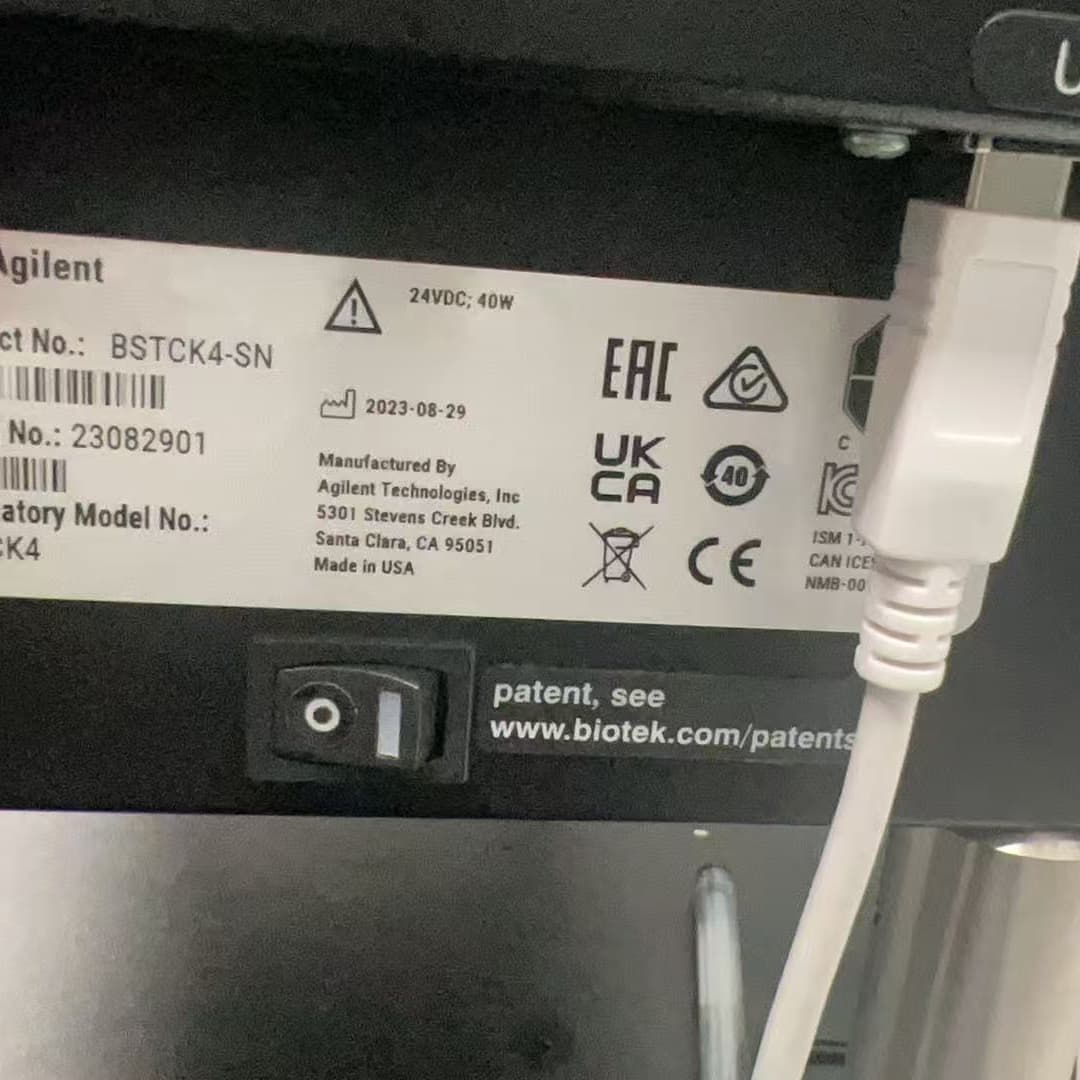
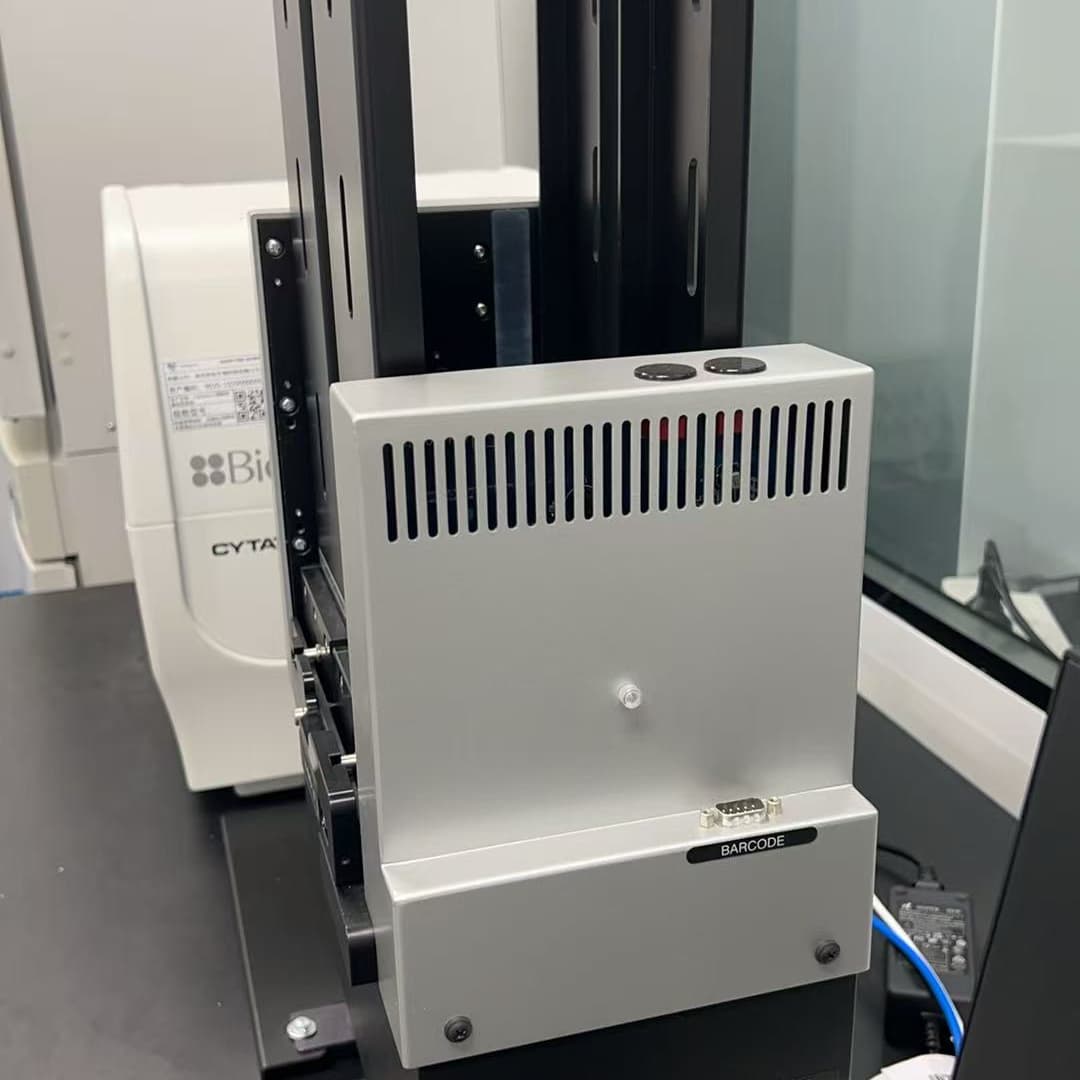
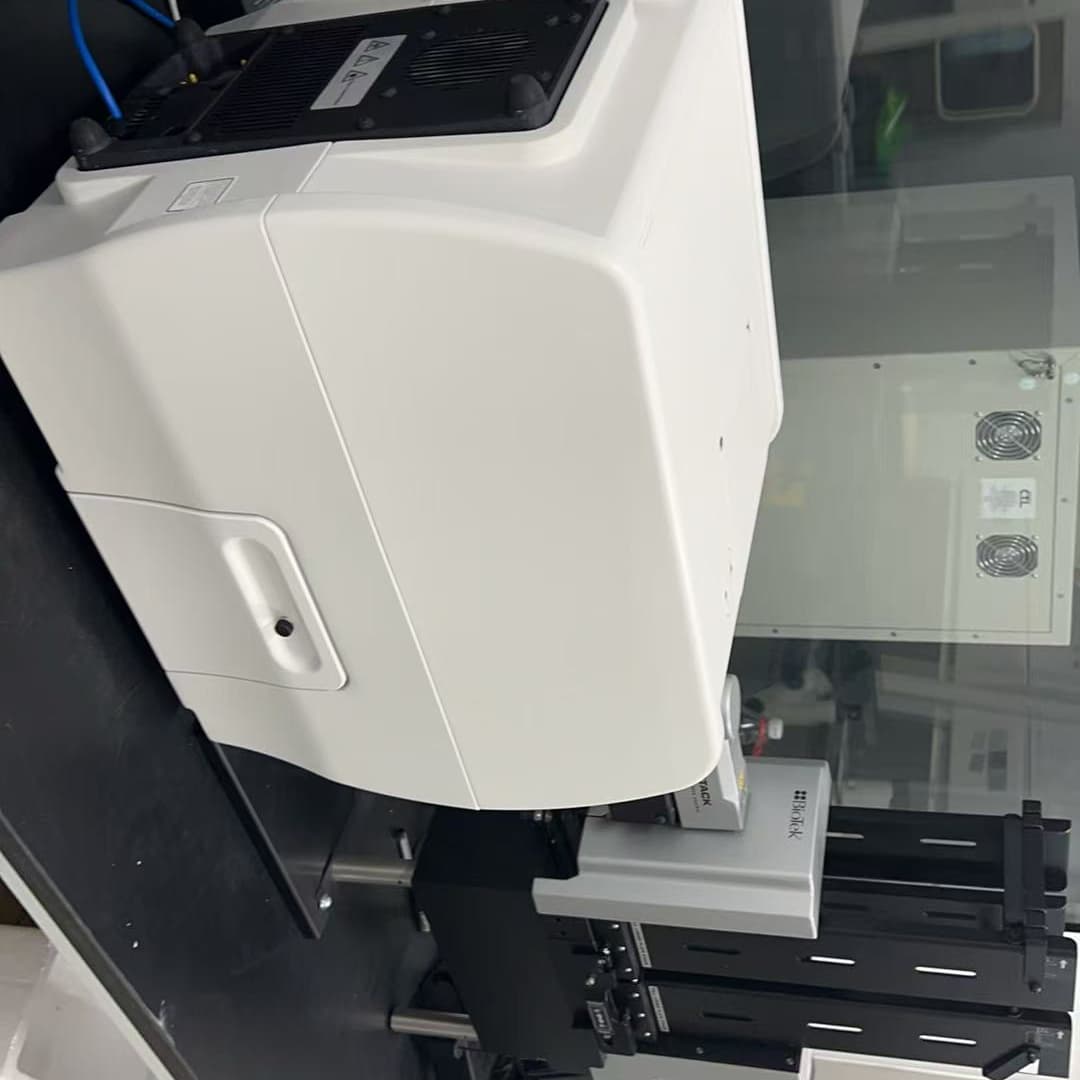
All hardware operations, data acquisition, and analysis are managed through the intuitive Gen5 Microplate Reader and Imager Software. Gen5 provides pre-defined protocols for common assays (cell counting, confluence, ELISA, etc.) and allows for custom quantitative and image analysis workflows. The software supports 21 CFR Part 11 compliance options for regulated environments. The Cytation 5 is also compatible with Agilent’s automation ecosystem, including the BioSpa 8 Automated Incubator for long-term live-cell imaging and the BioStack microplate stacker, as well as third-party robotic systems. Whether used for 3D cell culture analysis, high-content screening, drug discovery, or standard biochemical assays, the BioTek Cytation 5 offers a compact, powerful, and highly adaptable solution that maximizes both data richness and laboratory efficiency.
Technical Specifications
|
Parameter |
Specification |
|---|---|
|
Detection Modes |
Absorbance, Fluorescence Intensity (Top/Bottom), Luminescence, TRF, FP, BRET, Alpha (Laser) |
|
Absorbance Range |
230 to 999 nm (1 nm increments) |
|
Absorbance Bandwidth |
4 nm (230–285 nm); 8 nm (>285 nm) |
|
Fluorescence Range |
250 to 850 nm (Monochromator); 250 to 850 nm (Filter) |
|
Fluorescence Bandwidth |
9 to 50 nm (Continuously adjustable, 1 nm step) |
|
Luminescence Range |
300 to 700 nm |
|
Imaging Modes |
Fluorescence, Brightfield, HCT Brightfield, Color Brightfield, Phase Contrast |
|
Magnification |
1.25x to 60x (Air objectives); 4x to 40x (Phase contrast) |
|
Objective Turret |
6-position, automated |
|
Camera |
Sony CMOS, 16-bit monochrome (1.3 MP) |
|
Imaging Methods |
Single/Multi-color, Montage, Time-lapse, Z-stack, Trigger mode |
|
Microplate Formats |
6- to 1536-well plates (Filters/Imaging); 6- to 384-well (Monochromator) |
|
Other Sample Types |
Slides, Petri dishes, T25 flasks, Chamber slides, Take3/Trio plates |
|
Temperature Control |
4-Zone incubation, Ambient +4°C to 65°C (±0.2°C at 37°C) |
|
Gas Control (Opt) |
CO₂: 0–20%; O₂: 1–19% |
|
Reagent Injectors (Opt) |
2 Syringe pumps; 5–1000 µL volume (1 µL increment) |
|
Shaking |
Linear, Orbital, Double Orbital |
|
Light Sources |
Xenon Flash Lamp; High Power LEDs (Imaging); 100 mW 680 nm Laser (Alpha) |
|
Autofocus |
Laser-based and Image-based (User-definable) |
|
Software |
Gen5 Software (Includes Image and Data Analysis) |
|
Dimensions (W x H x D) |
41.6 x 44.5 x 51.4 cm (16.4 x 17.5 x 20.2 in) |
|
Weight |
Approx. 36.3 kg (80 lbs) |
|
Automation Ready |
Yes (BioSpa 8, BioStack, and third-party robotic compatibility) |
Product Inquiry