
Consultation Hotline
+1 (302) 618-8777
+1 (302) 618-8777
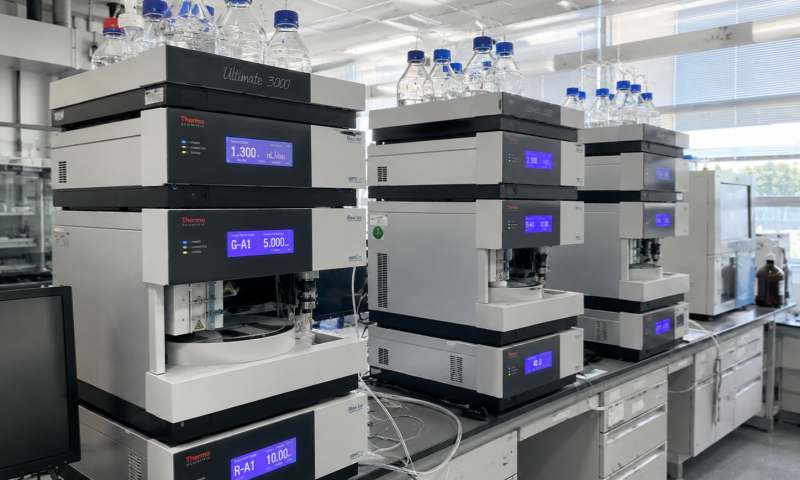
Chromatographic column aging refers to the gradual decline in a column's performance after repeated use. It is a common issue in high-performance liquid chromatography (HPLC), ultra-high-performance liquid chromatography (UHPLC), and gas chromatography (GC).
A chromatographic column is a critical component of an analytical system. Its performance directly affects separation efficiency, peak shape, retention time, reproducibility, and analytical accuracy.
As the column ages, users may observe broader peaks, increased backpressure, reduced resolution, unstable retention times, or unexpected baseline changes. Understanding the causes of column aging helps laboratories extend column service life and maintain reliable analytical results.
Several factors can contribute to column deterioration.
Chemical contamination: Samples containing proteins, lipids, polymers, salts, or other impurities may accumulate on the stationary phase or at the column inlet. These contaminants can block active sites and interfere with analyte separation.
Incorrect mobile-phase pH: Operating outside the recommended pH range can damage silica-based stationary phases or alter bonded-phase chemistry. Always follow the manufacturer's specifications.
High operating pressure: Excessive pressure may indicate a blockage, contaminated frit, or unsuitable operating conditions. Repeated operation under inappropriate pressure conditions can damage the column or system components.
High temperature: Elevated temperatures can accelerate chemical degradation of certain stationary phases, especially when combined with unsuitable mobile-phase conditions.
Improper storage: Leaving a column filled with an incompatible mobile phase or allowing the packing material to dry when the manufacturer prohibits it can shorten column life.
Mechanical contamination: Particles from samples, solvents, or instrument components may accumulate at the inlet frit, increasing resistance to mobile-phase flow.
Laboratory personnel should monitor column performance regularly.
Common symptoms include:
Increased backpressure: Pressure rises above the normal operating range under comparable conditions.
Peak broadening: Peaks become wider, reducing separation efficiency.
Peak tailing or fronting: Peak shapes become distorted, potentially indicating contamination, overload, or changes in column chemistry.
Reduced resolution: Previously separated compounds begin to overlap.
Retention-time shifts: Analytes elute earlier or later than expected.
Poor reproducibility: Repeated injections produce inconsistent retention times or peak areas.
These symptoms do not always mean that the column has reached the end of its service life. Changes in the pump, injector, tubing, detector, mobile phase, or sample preparation may produce similar problems.
Prevention begins with proper sample preparation and consistent operating conditions.
First, filter samples when appropriate and use a compatible filtration membrane. Centrifugation may also help remove suspended particles. For complex biological samples, suitable protein precipitation, extraction, or cleanup procedures can reduce contamination.
Second, use high-quality solvents and freshly prepared mobile phases when required. Filter mobile phases when appropriate for the method, and avoid introducing incompatible buffers or precipitated salts into the system.
Third, operate the column within the recommended pH, temperature, and pressure limits. Allow sufficient equilibration after changing mobile-phase composition.
Fourth, use a suitable guard column or in-line filter when compatible with the analytical method. These components can capture contaminants before they reach the analytical column.
Finally, avoid unnecessary changes in solvent composition, flow rate, or temperature during routine operation. Consistent conditions make performance changes easier to identify.
Column cleaning should be based on the column chemistry, observed symptoms, and manufacturer's instructions. There is no universal cleaning procedure for all columns.
A general troubleshooting approach is as follows:
Record the current backpressure, retention times, and peak shapes.
Confirm that the mobile phase is correctly prepared and that the instrument itself is functioning normally.
Check whether the pressure problem originates from the column or another component.
If contamination is suspected, select a compatible cleaning solvent according to the manufacturer's recommendations.
Flush the column at an appropriate flow rate and pressure, following the specified solvent sequence.
Re-equilibrate the column with the initial mobile phase before testing performance.
Do not reverse-flush a column unless the manufacturer permits it. Some columns are not designed for reverse flow, and doing so may damage the inlet frit or disturb the packing bed.
Buffered mobile phases require particular care. Salts may precipitate when exposed to high concentrations of organic solvents. Follow the recommended transition procedure before introducing a strong organic cleaning solvent.
Replacement may be necessary when cleaning no longer restores acceptable performance.
Compare the column with its original or established performance specifications. Evaluate theoretical plate count, peak symmetry, resolution, retention-time stability, and backpressure under the same test conditions.
If the column continues to show poor efficiency, persistent peak distortion, or excessive pressure after appropriate troubleshooting, replacement may be the most reliable option.
Before replacing the column, inspect the guard column, inlet filter, connecting tubing, and instrument fittings. These components can cause similar symptoms and may be less expensive to replace.
Proper storage is essential for extending column life.
After use, flush out buffers and other incompatible residues according to the manufacturer's instructions. Store the column in the recommended solvent and seal both ends with the appropriate end plugs.
For reversed-phase HPLC columns, the recommended storage solvent depends on the stationary phase and the manufacturer's guidance. Do not assume that one solvent is suitable for every column.
Label stored columns with their identification, last-use date, storage solvent, and relevant maintenance history. Keep them in a clean, dry, temperature-controlled environment within the specified storage conditions.
A maintenance program helps identify deterioration before it affects important analytical results.
Record operating pressure, injection count when useful, retention times, peak shape, and system suitability results. Monitor trends rather than relying on a single measurement.
If pressure increases gradually, investigate contamination or partial blockage. If peak shape deteriorates while pressure remains stable, consider chemical contamination, secondary interactions, sample overload, or changes in the analytical system.
Routine performance checks allow laboratories to distinguish normal aging from preventable problems and make replacement decisions based on evidence.
Chromatographic column aging is a normal consequence of use, but premature deterioration can often be prevented. Proper sample preparation, compatible mobile phases, correct operating conditions, suitable cleaning procedures, and appropriate storage all contribute to longer column service life.
By monitoring backpressure, peak shape, resolution, and retention-time stability, laboratory personnel can identify problems early, maintain analytical reliability, and reduce unnecessary operating costs. When troubleshooting does not restore acceptable performance, replacing the column may be necessary to ensure consistent and accurate results.