
Consultation Hotline
+1 (302) 618-8777
+1 (302) 618-8777
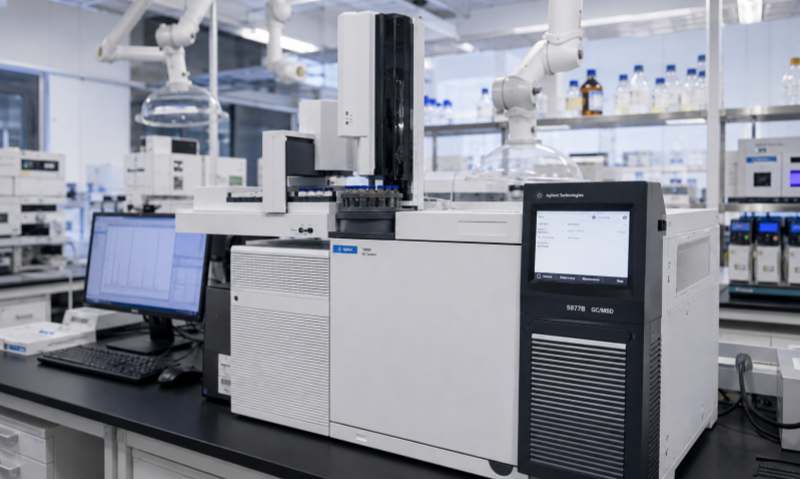
A rapid pesticide residue analyzer is an analytical instrument used to screen agricultural products, vegetables, fruits, and other food samples for potential pesticide contamination. It is commonly used in food safety laboratories, agricultural inspection centers, supermarkets, food processing facilities, and quality control departments.
Depending on the model, the instrument may use enzyme inhibition, immunoassay, colorimetric analysis, or other analytical technologies. Although rapid testing can provide results in a short time, accurate measurements depend on proper sample preparation, correct operation, appropriate calibration, and regular maintenance.
Understanding the following precautions helps users improve testing reliability and reduce the risk of incorrect results.
Sample preparation is one of the most important factors affecting the accuracy of pesticide residue testing.
First, collect representative samples from the batch being inspected. Pesticide residues may be distributed unevenly across different parts of a product, so sampling procedures should follow the applicable testing method.
Second, wash, peel, chop, homogenize, or extract samples only as required by the selected method. Excessive washing or peeling may remove surface residues and produce results that do not represent the original sample.
Third, use clean sampling tools and containers to prevent cross-contamination. Samples should be clearly labeled with identification numbers, collection dates, and relevant information.
For extraction-based methods, carefully measure the sample mass, extraction solvent, and reagent volumes. Inconsistent extraction conditions can affect the final result.
Different rapid pesticide residue analyzers are designed for different analytical principles and target substances.
For example, enzyme inhibition methods are commonly used for preliminary screening of certain organophosphorus and carbamate pesticides. However, they do not identify every pesticide or reliably quantify every compound in a sample.
Immunoassay-based methods are generally designed to detect specific target compounds or pesticide groups. Other methods may use different recognition or measurement technologies.
Before testing, confirm that the instrument and reagent kit are suitable for the sample type and target pesticide. Review the method's detection range, applicable concentration limits, cross-reactivity, and known limitations.
A rapid screening result should not automatically be interpreted as definitive identification of a particular pesticide.
Reagent quality has a direct influence on testing performance.
Before use, check the reagent name, batch number, expiration date, storage conditions, and packaging integrity. Do not use reagents that have expired, deteriorated, or been stored outside the specified conditions.
Some reagents require refrigeration, while others must be protected from light or moisture. Allow reagents to reach the recommended operating temperature when required by the method.
Use the correct reagent volumes and follow the specified mixing and incubation procedures. Do not substitute reagents from different kits unless compatibility has been validated.
For enzyme inhibition methods, incorrect incubation time or temperature may alter enzyme activity and lead to misleading results.
Before starting a test, place the analyzer on a stable, clean, and level surface. Check the power supply, connections, display, and measurement components.
Allow the instrument to warm up or complete its self-check procedure if required by the manufacturer. Confirm that the correct testing program, sample type, and measurement parameters have been selected.
During testing, follow the prescribed sequence for adding samples and reagents. Avoid introducing air bubbles into optical measurement wells or cuvettes when these may affect readings.
Use the correct reaction time and measurement interval. Reading results too early or too late can change the interpretation of the test.
Do not open the instrument housing or adjust internal components while the instrument is operating unless the procedure specifically permits it.
Calibration and quality control help establish confidence in analytical results.
Perform calibration according to the manufacturer's instructions and the requirements of the selected analytical method. Some instruments require routine optical checks or calibration, while others rely on validated reagent-specific procedures.
Run appropriate blank samples, negative controls, and positive controls when required. Certified reference materials or matrix-matched quality control samples may also be useful, depending on the method.
If a control result falls outside its acceptance criteria, do not release the affected test results as valid. Investigate possible causes, including deteriorated reagents, incorrect incubation conditions, contamination, instrument malfunction, or operator error.
Keep records of calibration, control results, instrument maintenance, reagent batches, and corrective actions.
Cross-contamination can cause false-positive results or unreliable measurements.
Use clean pipette tips, extraction containers, reaction vessels, and sampling tools. Replace disposable tips between samples and avoid touching the inside of clean containers.
Process samples in an orderly manner and separate prepared samples from untreated samples whenever practical.
After each test, dispose of used consumables according to laboratory procedures. Clean reusable accessories with suitable materials and approved cleaning agents.
If a sample has an unusually high screening response, check whether contamination occurred during sampling, extraction, or reagent handling before drawing conclusions.
Rapid pesticide residue analyzers have method-specific detection capabilities. A result below the detection limit does not necessarily mean that a sample contains absolutely no pesticide residues.
Similarly, a screening result above a threshold does not always establish that a sample violates a regulatory maximum residue limit.
Interpret results according to the instrument's validated method, target compounds, detection limits, and applicable food safety regulations. Consider matrix effects, analytical uncertainty, and the possibility of false-positive or false-negative results.
When a screening result is positive, suspicious, or close to a regulatory limit, confirmatory testing using an appropriate validated analytical method, such as liquid chromatography–tandem mass spectrometry (LC-MS/MS) or gas chromatography–mass spectrometry (GC-MS), may be necessary.
Routine maintenance helps extend equipment service life and maintain stable performance.
After testing, remove sample residues from accessible surfaces according to the manufacturer's instructions. Do not allow liquids to enter the instrument's electrical or optical components.
Inspect the sample chamber, optical windows, connectors, and other accessible components regularly. Keep the instrument away from excessive moisture, dust, direct sunlight, and extreme temperatures.
If the analyzer displays an error code, produces unstable readings, or fails a quality control check, consult the user manual and troubleshoot the problem before continuing routine testing.
Arrange professional servicing when internal repairs or specialized calibration are required.
Wear suitable personal protective equipment, including laboratory coats, gloves, and safety glasses. Handle extraction solvents and chemical reagents according to their safety data sheets.
Work in a suitable ventilated area when using volatile solvents. Never mix chemicals without confirming their compatibility.
Collect and dispose of chemical waste, contaminated samples, and used test consumables according to local regulations and laboratory procedures.
The reliable use of a rapid pesticide residue analyzer depends on representative sampling, correct sample preparation, suitable reagents, standardized operating procedures, quality control, and regular maintenance.
Users should also understand the limitations of rapid screening methods and avoid treating screening results as definitive proof of pesticide identity or regulatory compliance. By following these precautions, laboratories can improve testing consistency, reduce errors, and support more effective food safety management.