
Consultation Hotline
+1 (302) 618-8777
+1 (302) 618-8777
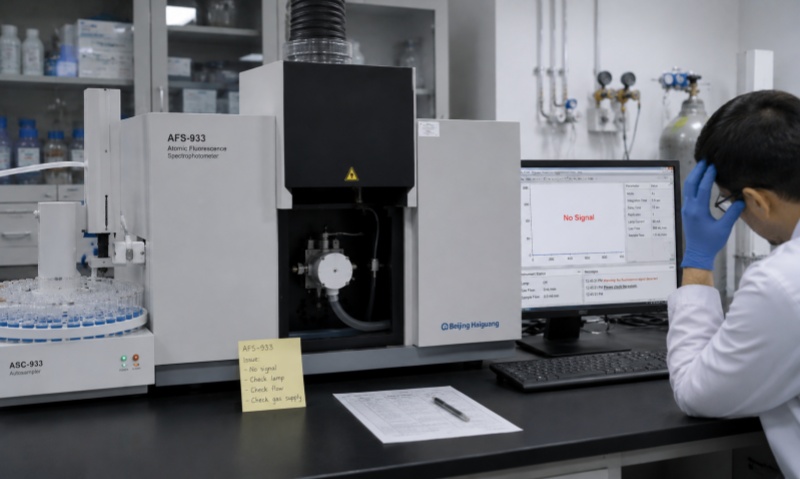
A heating mantle is a laboratory heating device designed to heat round-bottom flasks and other compatible glass containers. It is widely used in chemistry laboratories, pharmaceutical research, universities, and industrial testing facilities.
Unlike a traditional hot plate, a heating mantle uses an electrically heated element embedded in an insulated, fabric-like or ceramic heating structure. The heating surface surrounds the flask, allowing heat to be distributed more evenly.
Heating mantles are commonly used for heating solvents, carrying out chemical reactions, reflux experiments, and distillation procedures.
A heating mantle works by converting electrical energy into heat. When the device is switched on, its internal heating element generates heat and transfers it to the flask.
Many models include a temperature controller that allows users to adjust the heating power. Some advanced models also support temperature probes, digital displays, and magnetic stirring functions.
The heating process can be summarized in three steps:
Electricity heats the internal heating element.
Heat transfers from the mantle to the flask.
The flask heats the liquid or chemical sample inside.
The actual sample temperature depends on the heating power, liquid volume, flask material, and surrounding conditions.
Heating mantles have several common laboratory applications.
Chemical synthesis: Maintaining the temperature needed for chemical reactions.
Reflux experiments: Heating a reaction mixture while allowing vapor to condense and return to the flask.
Distillation: Heating liquid mixtures to support the separation of components based on their boiling points.
Solvent heating: Warming suitable laboratory solvents in compatible glassware.
Sample preparation: Providing controlled heating during certain analytical procedures.
Heating mantles are particularly useful when a laboratory needs to heat round-bottom flasks without placing them directly on a hot metal surface.
Heating mantles are available in different designs to meet different laboratory needs.
Standard heating mantles: Basic models designed for general laboratory heating.
Digital heating mantles: Models with digital displays and adjustable heating settings for easier operation.
Heating mantles with stirring: These combine heating with magnetic stirring to help maintain a more uniform liquid mixture.
Multi-position heating mantles: These can heat several flasks simultaneously and are useful for laboratories conducting multiple experiments.
High-temperature heating mantles: These are designed for applications requiring higher operating temperatures, within the manufacturer's specified limits.
When selecting a model, users should consider flask capacity, temperature requirements, stirring needs, and available laboratory space.
Choosing the correct heating mantle helps improve experimental efficiency and safety.
First, check the flask capacity. Heating mantles are designed for specific flask sizes, such as 100 mL, 250 mL, 500 mL, or 1,000 mL. The flask should fit securely inside the heating cavity.
Second, consider the required temperature range. Different experiments require different heating conditions, so select a model suitable for the intended application.
Third, determine whether stirring is necessary. A model with magnetic stirring may be useful when the sample needs continuous mixing.
Finally, check the power supply, controller type, safety features, and ease of maintenance. For precise temperature-sensitive experiments, a suitable temperature sensor and controller can improve temperature management.
Follow these basic steps before and during operation.
Inspect the heating mantle, power cord, plug, and controller for visible damage.
Place the device on a stable, dry, heat-resistant laboratory surface.
Select a compatible flask that fits the heating cavity properly.
Position the flask securely and connect the temperature probe if required.
Set the appropriate heating level according to the experimental procedure.
Monitor the experiment throughout operation.
Switch off the device after heating and allow it to cool before handling or cleaning.
Never operate a damaged heating mantle or leave a heating experiment unattended when the procedure requires supervision.
Safety is essential when using any electrical heating equipment in a laboratory.
Always wear appropriate personal protective equipment, including laboratory clothing, safety glasses, and suitable gloves when handling hot equipment.
Keep flammable materials away from the heating area. Ensure that the laboratory has adequate ventilation, especially when heating volatile or hazardous chemicals.
Do not touch the heating surface during or immediately after use. The exterior and internal components may remain hot even after the power has been switched off.
Avoid spilling liquids into the electrical components. Do not immerse the device in water or clean it while connected to the power supply.
When heating flammable solvents, use an appropriate risk assessment and follow the laboratory's chemical safety procedures. A heating mantle is not automatically explosion-proof or suitable for every hazardous atmosphere.
Slow heating can have several causes.
The selected power setting may be too low, the sample volume may be too large, or the flask may not fit the heating cavity correctly. A damaged heating element or faulty temperature controller can also affect performance.
To troubleshoot the problem, check the power supply, confirm the controller settings, inspect the flask position, and compare the operating conditions with the manufacturer's instructions.
If the device still fails to heat normally, switch it off, disconnect the power, and arrange inspection by a qualified technician.
Regular maintenance helps extend equipment service life.
After each experiment, switch off the device and allow it to cool completely. Remove external contamination using a soft cloth and a cleaning method approved by the manufacturer.
Inspect the heating surface, power cable, plug, controller, and temperature probe regularly. Look for cracks, damaged insulation, corrosion, unusual odors, or signs of overheating.
Do not use abrasive cleaners or allow cleaning liquids to enter the electrical components. Keep maintenance records and arrange professional servicing if the device shows abnormal heating or electrical problems.
Common problems include failure to heat, uneven heating, inaccurate temperature readings, damaged power cords, and controller malfunctions.
If the unit does not start, check the external power supply and controller settings without opening the equipment.
If the temperature reading is unstable, inspect the probe connection and confirm that the sensor is correctly positioned.
If there is smoke, a burning smell, unusual noise, or visible electrical damage, stop using the device immediately and disconnect the power if it is safe to do so. Do not attempt internal repairs unless you are qualified to perform them.
A heating mantle is an important piece of laboratory equipment for heating round-bottom flasks during chemical reactions, reflux, distillation, and sample preparation. Understanding its working principle, applications, selection criteria, and maintenance requirements helps laboratory personnel use it more effectively.
By choosing the right model, following operating instructions, and carrying out regular inspections, laboratories can improve heating consistency, reduce equipment downtime, and maintain a safer working environment.