
Consultation Hotline
+1 (302) 618-8777
+1 (302) 618-8777
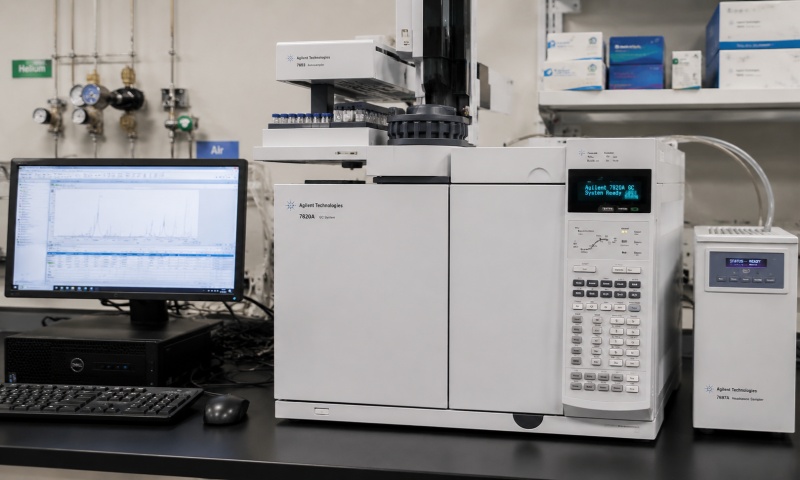
Ozone aging test chambers are widely used in rubber manufacturing, automotive production, polymer research, cable manufacturing, and quality control laboratories. These chambers simulate ozone exposure under controlled environmental conditions to evaluate the ozone resistance, cracking behavior, and durability of rubber and other susceptible materials.
Because ozone is a highly reactive oxidizing gas, proper equipment maintenance is essential for reliable test results, long instrument service life, and laboratory safety. Regular inspection of the ozone generation system, sealing components, temperature and humidity controls, and exhaust system can help prevent equipment failures and reduce operational risks.
Before starting a test, inspect the chamber's exterior, control panel, door seal, and electrical connections for visible damage. Confirm that the door closes securely and that the sealing components are in good condition.
Check the controller settings, including test temperature, ozone concentration, exposure duration, and any required specimen rotation speed. Ensure that the ozone monitoring system and relevant safety interlocks are functioning correctly.
After completing a test, remove specimens and inspect the chamber interior for contamination or residue. Clean accessible surfaces using materials and procedures approved by the manufacturer. Avoid aggressive solvents that may damage seals, coatings, or sensor components.
Keep the surrounding area clean and maintain adequate ventilation. Never operate the chamber if an ozone leak is suspected or if the exhaust and safety systems are not functioning properly.
The ozone generator is one of the most important components of an ozone aging test chamber. Its performance directly affects the accuracy and repeatability of test conditions.
Ozone generation systems may use ultraviolet radiation or electrical discharge, depending on the equipment design. Inspect the generator according to the manufacturer's maintenance schedule and check for alarms, abnormal operating conditions, or unstable ozone output.
For ultraviolet-based systems, lamp aging or contamination may reduce ozone generation efficiency. For electrical-discharge systems, contamination, component deterioration, or changes in gas supply conditions may affect output.
If ozone concentration cannot reach the setpoint, first verify the test settings and review the instrument's diagnostic information. Check approved gas supply and airflow indicators where applicable. Have a qualified technician inspect the generator, associated power components, and control system if the problem persists.
Never bypass safety interlocks or open an ozone-generating assembly while it is energized.
Accurate ozone concentration measurement is essential for reliable aging tests. Sensor drift, contamination, or component aging may cause differences between the displayed concentration and the actual chamber conditions.
Verify the ozone sensor according to the manufacturer's recommended interval and applicable testing requirements. Use an appropriate calibration or verification procedure with traceable reference equipment.
If the displayed ozone concentration fluctuates excessively, check whether the chamber has stabilized and whether the test conditions are correctly configured. Investigate potential airflow problems and sensor faults before changing the test parameters.
Maintain records of calibration dates, verification results, adjustments, and sensor replacement. When measurements fall outside established acceptance limits, suspend affected testing until the measurement system has been evaluated.
Temperature stability and airflow uniformity can influence ozone exposure and specimen aging behavior. Depending on the chamber design and test method, humidity may also need to be controlled.
Periodically verify the temperature sensor and controller using suitable calibrated reference instruments. Check that circulation fans operate normally and that ventilation openings are not obstructed.
Inspect accessible heating or cooling components for contamination or abnormal operating conditions. If the chamber cannot maintain the required temperature, a qualified technician should inspect the sensors, heating elements, refrigeration system, and associated control circuits as appropriate.
Avoid overloading the specimen holder, since excessive loading may affect airflow and exposure uniformity. Follow the relevant test standard and equipment instructions when positioning specimens.
Ozone can deteriorate certain elastomers and other materials over time. Therefore, door gaskets, tubing, connectors, and other components exposed to ozone should be compatible with the operating conditions.
Inspect these components regularly for cracking, hardening, deformation, looseness, or other signs of deterioration. Replace damaged components with manufacturer-approved parts.
The exhaust system is particularly important because ozone must not be released into occupied laboratory spaces at hazardous concentrations. Check exhaust connections, ventilation performance, and any installed ozone destruction unit according to the manufacturer's instructions.
If a leak is suspected, stop the test, follow the laboratory's ozone emergency procedures, restrict access as appropriate, and obtain qualified assistance. Do not rely on odor to determine whether the atmosphere is safe.
Inspect accessible power cables, plugs, grounding arrangements, and control-panel indicators for damage. Electrical maintenance should be performed only by qualified personnel after appropriate isolation of the power supply.
Establish a preventive maintenance schedule based on operating frequency, environmental conditions, manufacturer recommendations, and applicable quality requirements.
A maintenance log should include operating hours, alarms, cleaning activities, sensor verification, component replacement, and service records. Trend analysis of ozone concentration, temperature stability, and recurring alarms can help identify deterioration before a major failure occurs.
Ozone concentration is too low: Check operating settings and approved gas or airflow indicators. If the problem continues, arrange inspection of the generator and concentration measurement system.
Temperature is unstable: Verify the setpoint, chamber loading, airflow, and temperature measurement system.
Ozone concentration fluctuates: Allow the chamber to stabilize and investigate sensor drift, airflow instability, or generator performance.
Ozone leakage is suspected: Stop operation, follow the site's emergency response procedure, and obtain qualified service support before restarting.
Regular maintenance of ozone aging test chambers is essential for accurate testing, equipment reliability, and personnel safety. Daily inspections, generator servicing, sensor calibration, temperature verification, seal replacement, and exhaust system checks help maintain stable operating conditions.
Because ozone is hazardous and highly reactive, maintenance must follow the manufacturer's instructions and applicable safety procedures. Promptly addressing abnormal readings, damaged seals, and ventilation problems can reduce downtime and extend equipment service life while ensuring reliable material aging evaluations.