
Consultation Hotline
+1 (302) 618-8777
+1 (302) 618-8777
Current location:Home > Product > Biological Instruments > PCR
PRODUCT CATEGORY
Related Articles
Detailed Introduction
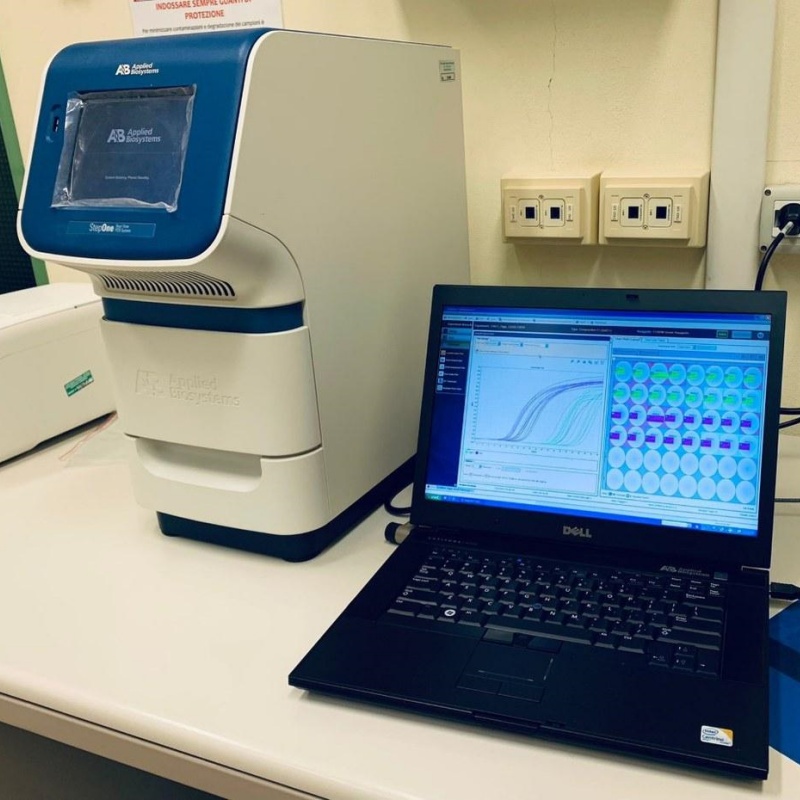
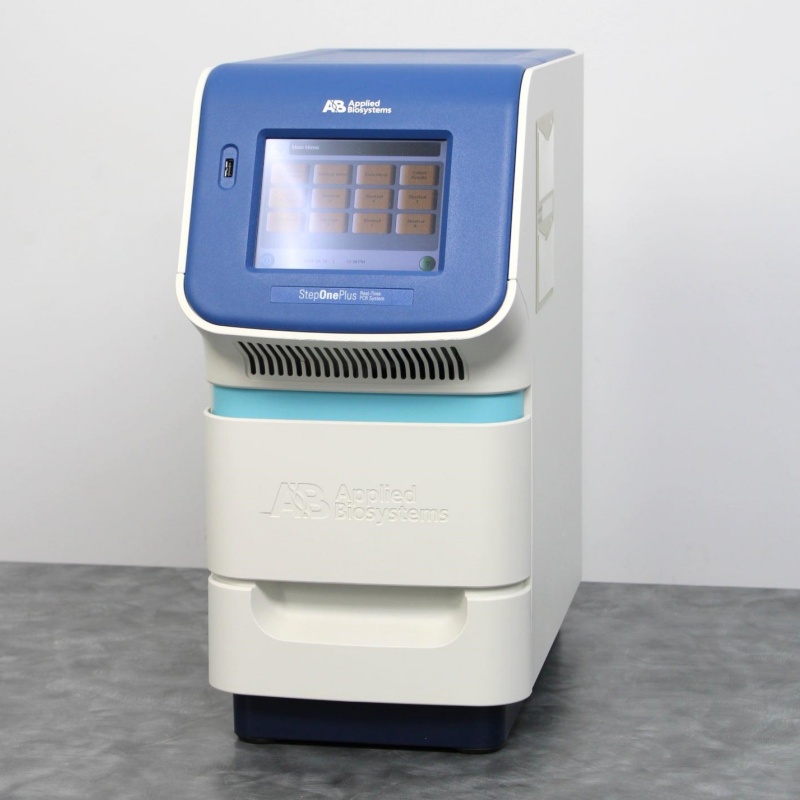
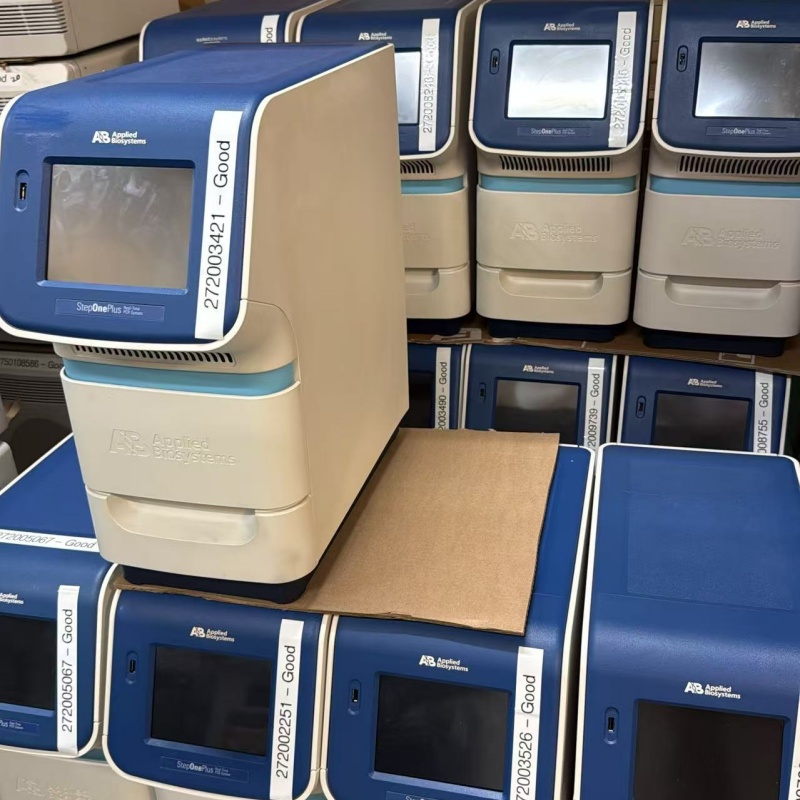
The Applied Biosystems StepOnePlus Real-Time PCR System, commonly referred to as the ABI StepOnePlus Real-Time PCR System, is a compact and versatile real-time polymerase chain reaction platform designed for quantitative and qualitative nucleic acid analysis. Developed by Applied Biosystems, the system is widely used in molecular biology, biotechnology, pharmaceutical research, academic laboratories, and life science applications.
The StepOnePlus is the higher-throughput model in the StepOne family. Compared with the 48-well StepOne system, the StepOnePlus provides a 96-well platform, four-color fluorescence detection, and VeriFlex sample block technology. These features make it suitable for laboratories that need greater sample capacity while maintaining a relatively compact instrument footprint.
| Specification | StepOnePlus Real-Time PCR System |
|---|---|
| Manufacturer | Applied Biosystems |
| Brand Group | Life Technologies / Thermo Fisher Scientific |
| Model | StepOnePlus |
| Instrument Type | Real-Time PCR / qPCR System |
| Sample Capacity | 96 wells |
| Detection Channels | 4-color |
| Thermal Technology | Peltier-based thermal cycling |
| Thermal Block | VeriFlex 6-zone block |
| Independently Controlled Zones | 6 |
| Detection Method | Fluorescence-based |
| Excitation Source | High-power blue LED |
| Detection | Photodiode-based optical detection |
| Compatible Chemistries | TaqMan, SYBR Green I |
| Major Dyes | FAM, VIC/JOE, ROX, TAMRA |
| Dynamic Range | Up to 9 logs |
| Demonstrated Sensitivity | 10 copies of RNase P in a 30 µL reaction |
| Fast PCR Run Time | Less than 40 minutes for 40 cycles |
| Standard PCR Run Time | Less than 2 hours for 40 cycles |
| Applications | Gene expression, genotyping, pathogen detection, SNP analysis, presence/absence assays |
| Data Analysis | Real-time amplification, endpoint and melt-curve analysis |
| User Interface | Instrument touchscreen and computer software |
| Platform | 96-well |
Specifications are based on Applied Biosystems/Thermo Fisher documentation; exact performance can depend on assay design, reagents, software, and instrument configuration.
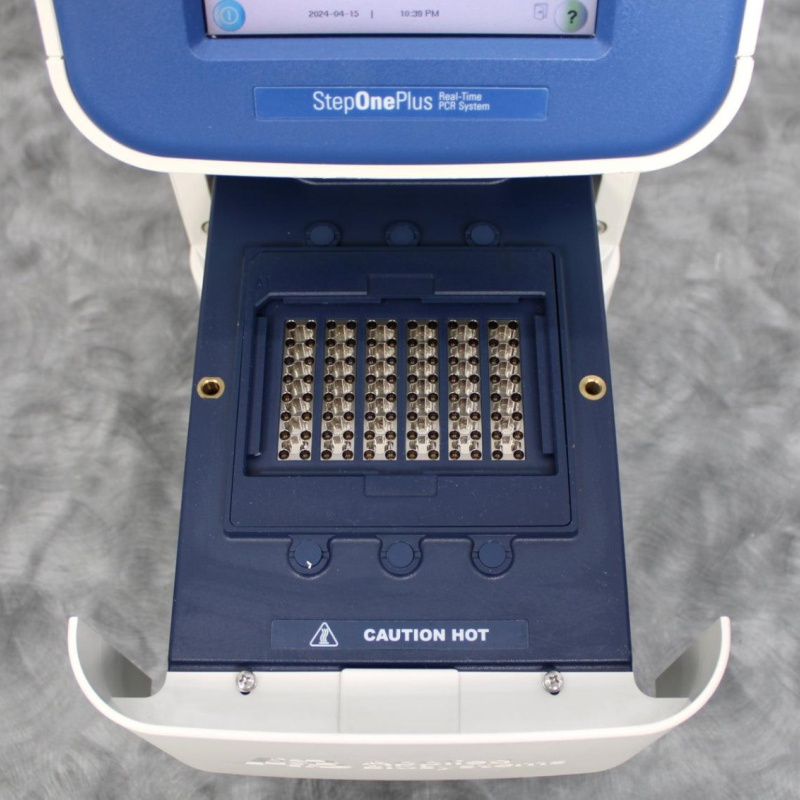
The 96-well format is one of the main advantages of the StepOnePlus. It allows researchers to process substantially more reactions in a single run than the 48-well StepOne system. The platform is designed for routine quantitative PCR workflows where sample throughput, reproducibility, and ease of use are important.
The system can perform quantitative detection of target nucleic acid sequences during PCR, qualitative endpoint analysis after amplification, and post-PCR melt-curve analysis when compatible chemistry and software are used.
A distinctive feature of the StepOnePlus is its VeriFlex sample block. The 96-well thermal block contains six independently controllable Peltier zones. This allows different temperature conditions to be established across the block during assay optimization.
The six-zone configuration is particularly useful when researchers need to evaluate different annealing temperatures in the same experiment. Instead of performing multiple separate experiments, users can investigate temperature conditions within a single run. This can make primer and probe optimization more efficient and help laboratories establish suitable PCR conditions more quickly.
The StepOnePlus provides four-color fluorescence detection and supports commonly used real-time PCR chemistries. Applied Biosystems documentation identifies FAM/SYBR Green I, VIC/JOE, and ROX detection, with the StepOnePlus also accommodating TAMRA dye. This makes the instrument suitable for a range of probe-based and dye-based assays.
The optical system uses LED-based excitation and photodiode detection. Compared with conventional lamp-based systems, the long-life LED design reduces dependence on frequent light-source replacement and supports consistent fluorescence measurements during routine operation.
For quantitative PCR applications, sensitivity and dynamic range are important performance characteristics. Applied Biosystems reports a nine-log linear dynamic range for the StepOnePlus system. Demonstrated performance specifications indicate detection of 10 copies of RNase P in a 30 µL reaction under the specified assay conditions.
This performance makes the instrument appropriate for applications requiring quantitative measurement across a broad range of target concentrations. However, actual assay sensitivity depends not only on the instrument but also on nucleic acid extraction, primer and probe design, reagent quality, sample preparation, and experimental conditions.
The StepOnePlus can support a wide range of molecular biology applications. Gene expression analysis is one of the most common uses, allowing researchers to compare target gene expression between experimental and control samples.
The system is also suitable for pathogen quantification, SNP genotyping, mutation analysis, presence/absence assays, and multiplex reactions. SYBR Green chemistry can provide a cost-effective option for screening and target identification, while TaqMan probe-based assays offer sequence-specific fluorescence detection.
The platform can therefore serve both research laboratories performing routine qPCR and laboratories developing optimized molecular assays.
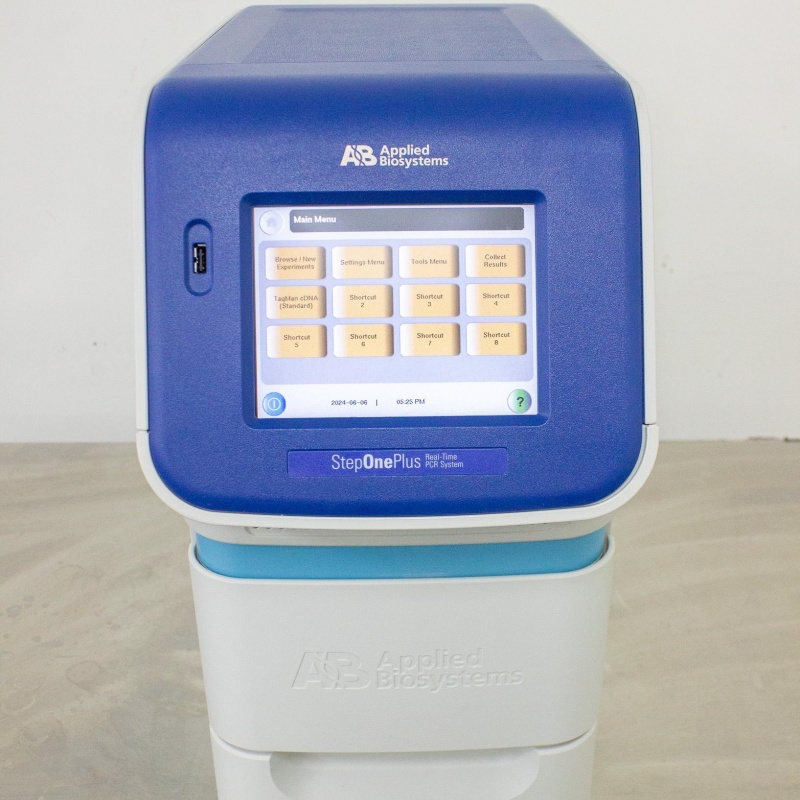
The StepOnePlus was designed with ease of use in mind. The system software guides users through experiment setup, including sample information, reaction configuration, thermal cycling conditions, and fluorescence detection. Applied Biosystems also provided an experimental design wizard to assist users in setting up quantitative PCR experiments, including standard curves and plate layouts.
The instrument can also provide convenient data-management and monitoring functions, helping laboratories organize experiments and analyze amplification results efficiently.
Although the StepOnePlus is a standard 96-well platform rather than a dedicated ultra-fast system, Applied Biosystems documentation indicates that Fast PCR reactions can be completed in less than 40 minutes for 40 cycles under appropriate conditions. Standard 40-cycle PCR reactions can take less than two hours depending on the protocol.
This flexibility allows users to balance speed with assay requirements rather than being restricted to a single cycling mode.
For laboratories purchasing a used or refurbished StepOnePlus, the thermal block, optical system, software, touchscreen, sample compartment, and fluorescence performance should be carefully inspected. Verification of temperature uniformity and optical calibration is particularly important because qPCR results depend heavily on stable thermal cycling and reliable fluorescence measurement.
Routine maintenance should include keeping the sample block clean, preventing reagent contamination, inspecting cables and connections, and following appropriate calibration and performance-verification procedures.
The Applied Biosystems StepOnePlus Real-Time PCR System combines a 96-well format, four-color fluorescence detection, six-zone VeriFlex temperature control, and established Applied Biosystems qPCR technology in a compact platform. Its broad application range, nine-log dynamic range, and flexible temperature optimization make it a practical solution for gene expression, genotyping, pathogen research, and other molecular biology applications.
For laboratories considering a used or refurbished ABI StepOnePlus, the instrument can offer an attractive balance between throughput and cost. Before purchase, however, users should verify the thermal block condition, optical performance, calibration status, software compatibility, accessories, and overall operational condition to ensure reliable long-term qPCR performance.
Product Inquiry