
Consultation Hotline
+1 (302) 618-8777
+1 (302) 618-8777
Current location:Home > Product > chromatograph > HPLC Parts
PRODUCT CATEGORY
Related Articles
Detailed Introduction
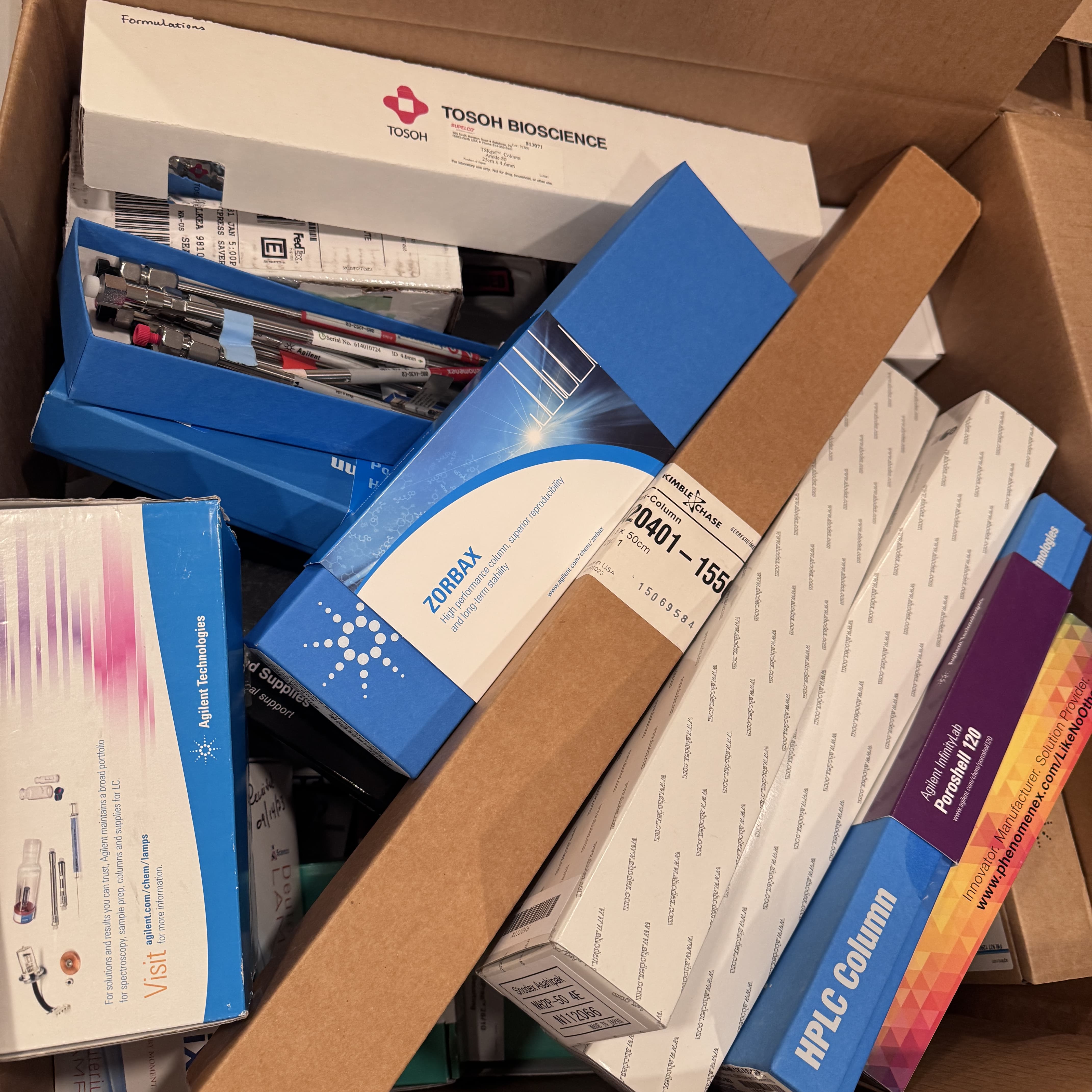
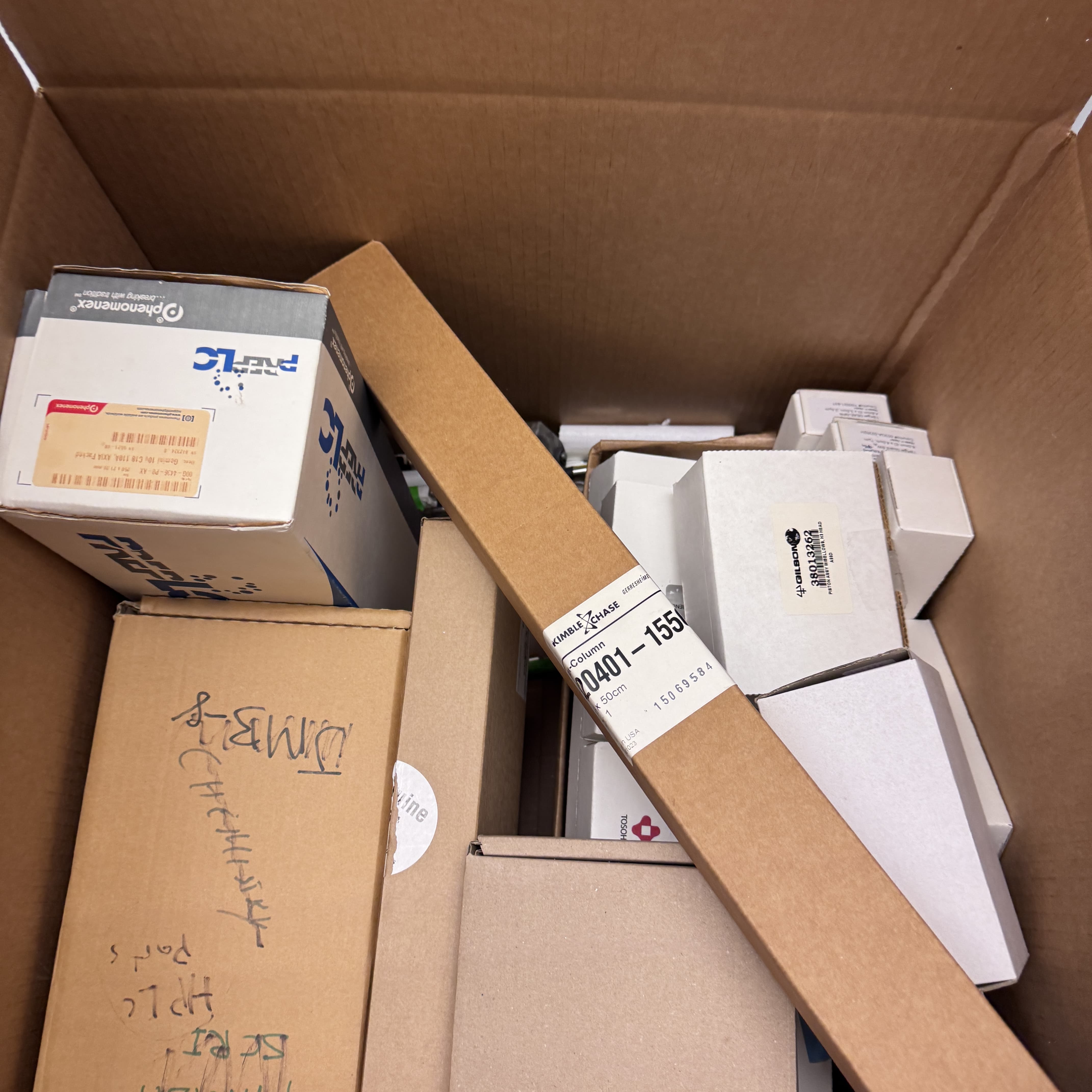
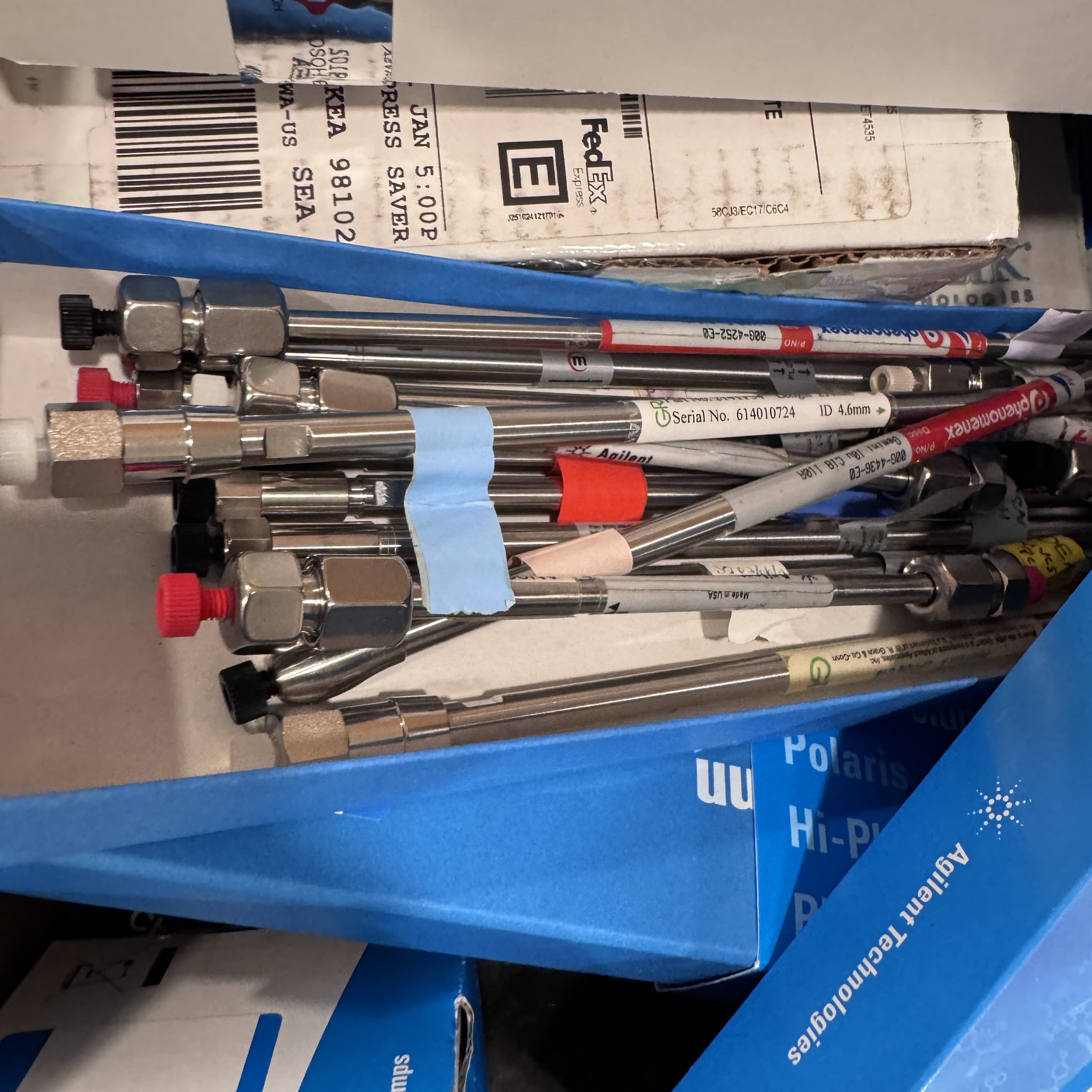
High Performance Liquid Chromatography (HPLC) columns are the central consumable component of any liquid chromatographic system, where the physico-chemical properties of the stationary phase—particle morphology, bonding chemistry, pore architecture, and column geometry—dictate the ultimate resolution, selectivity, and robustness of the analytical separation. Modern HPLC columns are precision-engineered stainless steel or PEEK housings, typically packed with spherical silica-based sorbents (fully porous or fused-core / superficially porous particles), polymeric resins, or graphitized carbon, selected according to the separation mechanism required: Reversed-Phase (RP-HPLC), Normal-Phase (NP-HPLC), Hydrophilic Interaction Liquid Chromatography (HILIC), Ion-Exchange (IEX), Size Exclusion (SEC/GFC/GPC), or Chiral separations. Reversed-phase columns, most commonly bonded with octadecylsilane (C18 / ODS), octylsilane (C8), phenyl, cyano, or polar-embedded groups onto high-purity silica (Type B, low-metal), represent approximately 80–90 % of all HPLC applications and are the default choice for pharmaceuticals, metabolites, environmental pollutants, and natural products using water–organic binary gradients (MeOH or ACN, with ≤1 % acid/base modifiers). C18 offers the strongest hydrophobic retention and highest carbon load (typically 10–18 % w/w), making it ideal for medium-polarity small molecules (< 2 kDa), whereas C8 provides shorter retention and faster elution for more hydrophobic analytes; both are generally end-capped to mask residual silanols and suppress peak tailing of basic compounds. Phenyl-hexyl or biphenyl phases introduce π–π stacking interactions useful for aromatic isomers orthogonal to alkyl chains, while "AQ" or polar-embedded C18 variants permit high-aqueous mobile phases (>95 % water) without phase collapse, beneficial for very polar scaffolds or LC-MS compatibility. Normal-phase columns employ underivatized silica, amino (NH₂), cyano (CN), or diol phases with nonpolar organic eluents (hexane, CH₂Cl₂) and are preferred for positional isomers, lipids, fat-soluble vitamins, and stereoisomers poorly resolved in RP mode. HILIC columns—featuring amide, bare silica, amino, or zwitterionic sulfobetaine phases—retain and separate highly polar, water-soluble compounds (e.g., nucleosides, carbohydrates, pesticides, metabolites) in high-acetonitrile mobile phases, serving as the go-to mode when reversed-phase retention fails for log P < 0 compounds. Ion-exchange HPLC columns utilize strong or weak cation (SCX, WCX) or anion (SAX, WAX) exchangers bonded to silica or pH-stable polymeric beads to separate charged species—amino acids, peptides, nucleotides, organic acids—via electrostatic interaction modulated by buffer pH and ionic strength. Size Exclusion Chromatography (SEC) columns contain rigid porous particles (silica-derived diol for aqueous GFC or polystyrene-divinylbenzene for organic GPC) with calibrated pore-size distributions (typically 50–4000 Å) to fractionate biopolymers, proteins, antibodies, oligomers, and synthetic polymers strictly by hydrodynamic volume, with no retention mechanism beyond exclusion/inclusion. Analytical column dimensions are standardized: lengths of 50 mm (fast screening), 100–150 mm (routine analysis), or 250 mm (high-resolution); inner diameters of 2.1 mm (microbore / MS-friendly, low solvent consumption), 3.0 mm (intermediate), or 4.6 mm (conventional analytical); particle sizes of 3 µm or 5 µm for classical HPLC (≤ 400 bar) and 1.7–2.6 µm core-shell for UHPLC (≥ 600–1300 bar). Pore sizes of 80–120 Å suit small molecules, while 200–300 Å or greater are specified for peptides and proteins to prevent size-exclusion effects within the pores. Proper column conditioning, use of inline filter/guard cartridges, avoidance of strongly acidic/basic extremes beyond the phase's pH window (typically pH 2.0–8.0 for silica-bonded phases; extended-range hybrid silicas tolerate pH 1.0–12.0), and storage in appropriate organic solvents significantly extend service life. Column selection must align analyte physicochemical properties—polarity, molecular weight, pKa, and solubility—with the stationary phase's retention mechanism, ensuring optimal plate count (N > 50,000 plates/m for 3 µm fully porous C18), asymmetry factor (As ≈ 0.95–1.2), and reproducible retention times across batches.
|
Category |
Parameter |
Typical Specification / Range |
|---|---|---|
|
General Dimensions (Analytical) |
Column Length |
50, 100, 150, 250 mm (common); up to 300–500 mm |
|
Inner Diameter (ID) |
2.1 mm (microbore), 3.0 mm, 4.6 mm (std.); 10 mm+ (semi-prep) |
|
|
Particle Size (dp) |
1.7–2.6 µm (UHPLC core-shell), 3 µm, 5 µm (HPLC), 7–10 µm (prep) |
|
|
Particle Morphology |
Spherical fully porous silica / Fused-core (superficially porous) |
|
|
Reversed-Phase (C18 / C8 / Phenyl / CN) |
Stationary Phase |
Octadecyl (C18), Octyl (C8), Phenyl-Hexyl, Biphenyl, Cyano |
|
Base Material |
High-purity Type B silica or hybrid organosilica |
|
|
Pore Size |
80–120 Å (small mol.); 200–300 Å (peptides/proteins) |
|
|
Surface Area |
200–350 m²/g |
|
|
Carbon Load (C18) |
10–18 % w/w |
|
|
End-capping |
Yes (trimethylsilyl), full or partial |
|
|
pH Stability |
2.0–8.0 (silica); 1.0–12.0 (hybrid/extended-range) |
|
|
Max. Pressure |
400 bar (HPLC), 600–1300 bar (UHPLC) |
|
|
Normal Phase (Silica / NH₂ / CN / Diol) |
Stationary Phase |
Unmodified silica, –NH₂, –CN, diol |
|
Mobile Phase |
Nonpolar org. (hexane, CHCl₃, EtOAc) with polar mod. |
|
|
pH Stability |
2.0–7.5 (silica-based) |
|
|
HILIC (Amide / ZIC-HILIC / Silica) |
Stationary Phase |
Amide, Zwitterionic, Bare Silica, Cyclodextrin |
|
Mobile Phase |
High % ACN (≥ 85 %) with aq. buffer / water |
|
|
Retention Mechanism |
Partition + adsorption (hydrophilic interaction) |
|
|
Ion-Exchange (SCX / SAX / WCX / WAX) |
Functional Group |
Sulfonic (SCX), Carboxy (WCX), Quaternary Ammonium (SAX), Tertiary Amine (WAX) |
|
Base Matrix |
Polymeric (pH 2–12) or silica (pH 2–8) |
|
|
Buffer Requirement |
Aqueous buffer, controlled ionic strength & pH |
|
|
Size Exclusion (SEC / GFC / GPC) |
Fractionation Range |
100 Da – 10 MDa (depends on pore rating) |
|
Pore Sizes Available |
50, 100, 250, 500, 1000, 2000, 4000 Å |
|
|
Column Size (Analytical) |
4.6 / 7.8 × 300 mm typical |
|
|
Eluent |
Isocratic aqueous buffer (GFC) or THF / Chloroform (GPC) |
|
|
Hardware & Fittings |
Column Body |
SS316 (std.), PEEK (biocompatible/Titanium for IEX) |
|
Frit Porosity |
0.5 µm or 2 µm (stainless steel / titanium) |
|
|
End Fittings |
10–32 UNF with Vespel / PEEK ferrule (standard) |
|
|
Operating Temp. |
Ambient to 60 °C (typical); some to 80 °C |
Let me know if you'd like this formatted for a quotation sheet, translated into Chinese, or focused on a specific vendor's column lineup (Agilent, Waters, Shimadzu/Thermo Fisher).
Product Inquiry