
Consultation Hotline
+1 (302) 618-8777
+1 (302) 618-8777
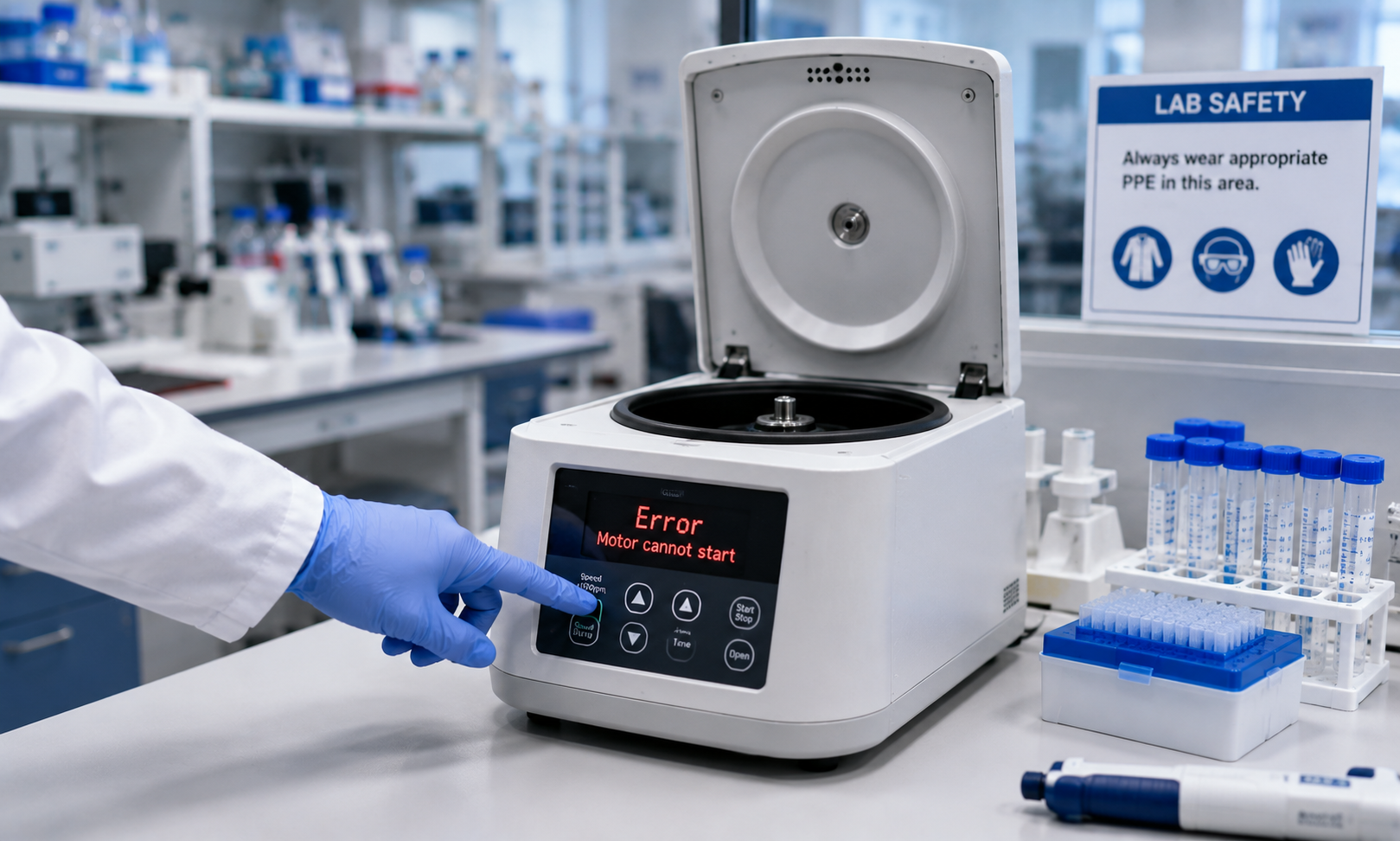
Precision balances are essential instruments in laboratories, pharmaceutical manufacturing, chemical analysis, food testing, and quality control. They are designed to measure sample mass accurately, often with readability ranging from 0.1 mg to 0.01 g, depending on the model. However, environmental changes, improper operation, contamination, and component aging can cause measurement errors or instrument failures.
Understanding common balance faults and their troubleshooting procedures helps laboratory personnel restore normal operation, maintain measurement accuracy, and extend instrument service life.
Unstable readings are among the most common problems with precision balances. The displayed weight may fluctuate continuously even when the sample remains stationary.
Possible causes:
Air currents from air conditioners, ventilation systems, or open windows.
Vibration from nearby equipment or unstable laboratory benches.
Temperature fluctuations or insufficient instrument warm-up.
Static electricity on the sample container.
Contamination or foreign objects around the weighing pan.
Damaged weighing sensors or unstable electrical connections.
Troubleshooting methods:
First, place the balance on a stable, level, vibration-free surface. Close windows and minimize airflow around the weighing area. Allow the instrument to warm up according to the manufacturer's instructions. Check that the weighing pan is clean and correctly installed. For electrostatic interference, use appropriate antistatic equipment or ionization devices. If the readings remain unstable, inspect the instrument for sensor or electronic faults and contact a qualified service technician when necessary.
A precision balance that does not power on may have a power supply problem or an internal electrical fault.
Possible causes:
The power cable is loose or damaged.
The electrical outlet is not functioning.
The AC adapter has failed.
The internal fuse or power circuit is damaged.
The instrument's electronic components have malfunctioned.
Troubleshooting methods:
Check the power outlet using an appropriate method and ensure that the power cable is securely connected. Inspect the adapter and cable for visible damage. If the instrument uses an external power adapter, verify that it matches the manufacturer's specified voltage and current ratings. Never open the instrument or replace internal electrical components unless you are qualified to do so. If the balance still fails to start, arrange professional inspection.
A precision balance may display values that differ from the expected sample mass or from measurements obtained using a verified reference balance.
Possible causes:
Incorrect calibration or adjustment.
The balance is not level.
The instrument has not reached thermal equilibrium.
The reference weights are unsuitable or out of calibration.
The weighing pan or internal mechanism is contaminated.
The balance has been overloaded or mechanically damaged.
Troubleshooting methods:
Check the level indicator and adjust the leveling feet if necessary. Allow the balance and samples to reach a stable temperature. Perform calibration or adjustment according to the manufacturer's procedure using suitable, traceable reference weights. For balances with internal calibration, verify that the function operates correctly under the specified environmental conditions.
If measurement errors persist, conduct a repeatability and accuracy check using appropriate test weights. Record the results and remove the balance from critical testing activities if it does not meet the laboratory's acceptance criteria.
Modern precision balances use error codes to identify abnormal operating conditions. The meaning of each code varies by manufacturer and model.
Common causes include overload, an incorrectly installed weighing pan, an unstable zero point, calibration failure, or an internal electronic malfunction.
Remove any load that exceeds the rated capacity. Check that the weighing pan and accessories are installed correctly. Ensure the balance is positioned on a stable surface, then restart it according to the user manual. Consult the manufacturer's error-code table before attempting further repairs. If the error continues, document the code and contact an authorized service provider.
A balance that responds slowly or fails to return to zero after removing a sample may have contamination, mechanical interference, or sensor problems.
Inspect the weighing pan and surrounding area for spilled powder, liquid, or foreign objects. Clean accessible surfaces using a method compatible with the manufacturer's instructions. Avoid allowing liquids to enter the housing. Check whether the instrument is overloaded or exposed to strong airflow.
If zero-point drift or slow response continues after cleaning and environmental checks, professional inspection of the weighing mechanism and electronic components may be required.
Preventive maintenance is more effective than repeated emergency repairs. Laboratory personnel should follow these practices:
Clean the weighing pan and accessible surfaces after use.
Keep the balance away from direct sunlight, drafts, vibration, and rapid temperature changes.
Check the level indicator before critical measurements.
Allow sufficient warm-up time as specified by the manufacturer.
Perform routine calibration checks with suitable reference weights.
Avoid exceeding the maximum weighing capacity.
Maintain records of calibration, verification, cleaning, and repairs.
Schedule periodic preventive maintenance according to usage intensity and laboratory quality requirements.
Cleaning agents and accessories should be compatible with the balance materials. Disconnect the power before performing maintenance that requires access to areas specified by the manufacturer, and never dismantle the instrument without appropriate authorization.
Precision balance faults can result from environmental interference, incorrect calibration, contamination, power supply problems, or damage to internal components. By identifying symptoms systematically and applying appropriate troubleshooting procedures, laboratories can reduce downtime and maintain reliable weighing performance.
Routine cleaning, environmental control, calibration verification, and professional preventive maintenance are essential for ensuring long-term accuracy. When a balance repeatedly fails verification or exhibits persistent electronic or mechanical faults, it should be evaluated by a qualified service technician before being returned to critical laboratory use.