
Consultation Hotline
+1 (302) 618-8777
+1 (302) 618-8777
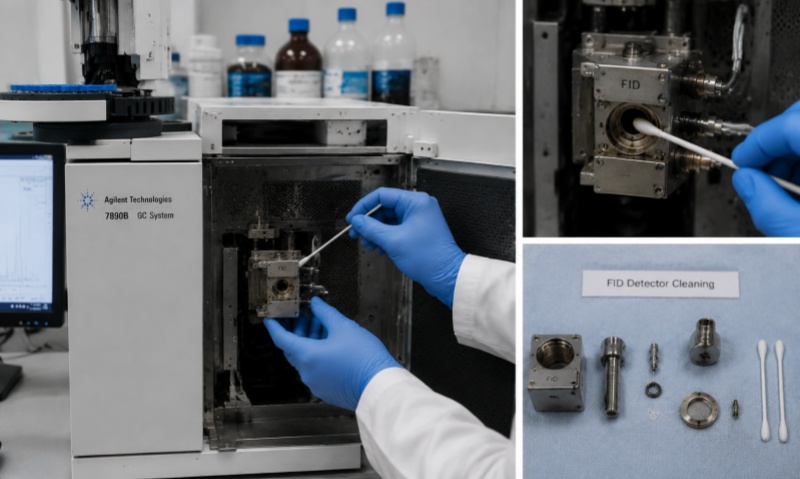
An ultrapure water purification system relies on several key components, including pretreatment filters, reverse osmosis membranes, pumps, deionization units, purification cartridges, sensors, valves, and electronic control systems. Among these components, the pump plays an essential role in maintaining water flow and pressure throughout the purification process. If the pump does not start, the system may produce little or no water and may display an alarm. A systematic troubleshooting procedure is therefore necessary to identify the cause and restore normal operation.
The first step is to check whether the water purification system is receiving the correct electrical power. Verify that the main power switch is turned on and that the power cable is securely connected.
Check the laboratory power outlet, circuit breaker, fuse, and power supply module. If other components of the system are also inactive, the problem may be related to the main power supply rather than the pump itself.
Before opening any electrical enclosure, disconnect the system from the power source and follow appropriate electrical safety procedures. Electrical diagnosis and component replacement should be performed by qualified personnel.
Many ultrapure water systems use control logic that prevents the pump from starting when certain conditions are not satisfied. For example, insufficient feed-water pressure, an empty water tank, abnormal water level, closed valves, or an active system alarm may prevent pump operation.
Check the system display for error messages or warning codes. Confirm that the feed-water supply is available and that the inlet valve is open. If the system uses a water-level sensor, verify that the sensor correctly detects the available water level.
A faulty level sensor or pressure switch can sometimes make the controller believe that operating conditions are unsafe, even when the actual water supply is normal.
If the electrical supply and system conditions are normal, inspect the pump itself. Listen carefully when the system attempts to start.
If there is no sound or vibration, the motor may not be receiving power, or the motor control circuit may have failed. Possible causes include a defective relay, damaged wiring, a failed motor capacitor, or a malfunctioning control board.
If the motor produces a humming sound but does not rotate, the pump may be mechanically blocked. In some systems, prolonged shutdown can cause deposits or mechanical components to become stuck.
Do not attempt to force the pump shaft while the equipment is energized. Disconnect power before performing any mechanical inspection.
A blocked water path can cause abnormal pressure conditions and may prevent normal pump operation. Inspect the inlet tubing, pretreatment filters, valves, and other components upstream of the pump.
A severely clogged pretreatment filter can restrict water supply to the pump. If the pump runs without sufficient inlet water, cavitation may occur, potentially causing noise, vibration, reduced flow, and premature pump damage.
If filters are close to or beyond their recommended service intervals, they should be replaced according to the manufacturer's maintenance procedure.
Air entering the pump can also cause starting or water-delivery problems. This may occur when the feed-water tank is empty, tubing connections are loose, or the system has been recently serviced.
Inspect tubing connections for leaks and confirm that the water supply line is properly connected. After maintenance, the pump may require appropriate priming or air removal according to the equipment manufacturer's procedure.
Repeated air entry should not be ignored because continuous air operation can reduce pump performance and accelerate wear.
Modern ultrapure water systems commonly use pressure and flow sensors to monitor system operation. Incorrect sensor signals may cause the controller to stop the pump as a protective measure.
Check whether the displayed pressure and flow values are reasonable. If the display remains at an abnormal value even when the actual condition is different, the corresponding sensor, wiring, or control circuit may require inspection.
Sensor calibration or replacement should be performed according to the manufacturer's technical specifications.
If the pump itself is mechanically normal but still does not start, the control circuit should be investigated. Possible causes include a failed relay, damaged cable, defective driver module, control-board malfunction, or communication error between the controller and pump.
Qualified service personnel should use the equipment's electrical diagram and appropriate test instruments to verify whether the correct control signal and voltage are being supplied to the pump.
Avoid bypassing safety interlocks or directly connecting the pump to an external power source as a troubleshooting shortcut. Such actions may damage the system or create an electrical and operational hazard.
Preventive maintenance can significantly reduce pump-related failures. Replace pretreatment filters and other consumables on schedule, maintain adequate feed-water pressure, keep tubing connections secure, and avoid operating the system without sufficient water.
The pump should also be inspected periodically for abnormal noise, vibration, leakage, overheating, or reduced flow. Recording maintenance activities and recurring alarms can help identify developing problems before a major failure occurs.
When the pump of an ultrapure water purification system does not start, the problem may originate from the power supply, system interlocks, water supply, filters, sensors, pump mechanism, or control circuit. Troubleshooting should therefore proceed systematically from the simplest external conditions to more complex electrical and mechanical components.
By checking power, water supply, pressure, filters, tubing, sensors, pump condition, and control signals in sequence, technicians can locate the fault more efficiently. Regular preventive maintenance and timely replacement of worn components can further improve system reliability and extend the service life of the ultrapure water purification system.