
Consultation Hotline
+1 (302) 618-8777
+1 (302) 618-8777
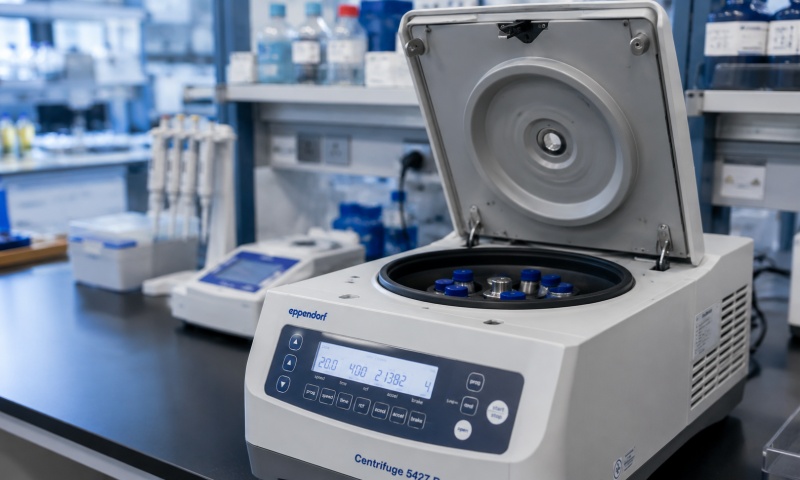
Temperature and humidity test chambers are widely used in pharmaceutical laboratories, biotechnology, food testing, electronics, chemical industries, and scientific research. These chambers provide controlled temperature and humidity conditions for stability testing, material evaluation, environmental simulation, and quality control.
A temperature and humidity chamber normally consists of a refrigeration system, heating system, humidification system, dehumidification system, circulation fan, temperature and humidity sensors, and control system. Because these components work together continuously, proper maintenance and timely troubleshooting are essential for reliable operation and accurate test results.
When a temperature and humidity chamber fails to start, first check the power supply. Confirm that the power plug, circuit breaker, and electrical connections are normal.
If the control panel has no display, the problem may be related to the power supply, fuse, or internal control circuit. If the display works but the equipment does not operate, check the alarm information and safety interlocks.
Some chambers will not start certain functions when the door is not completely closed or when a safety protection device has been activated. Safety devices should never be bypassed without authorization. Troubleshooting should follow the manufacturer's service procedures.
If the chamber heats or cools very slowly, the heating system, refrigeration system, circulation fan, or temperature sensor should be inspected.
During heating, check whether the heater is operating correctly and whether the circulation fan is running normally. Poor air circulation can create temperature differences between different areas inside the chamber.
If the chamber cannot cool effectively, inspect the condenser and ventilation area for dust accumulation. A dirty condenser can reduce heat dissipation and significantly decrease refrigeration performance.
A refrigeration-system fault, refrigerant leakage, abnormal pressure, or compressor problem requires inspection by qualified service personnel.
Humidity control depends on the coordinated operation of humidification, dehumidification, and air circulation systems.
If the actual humidity remains below the set value, first check the water supply and water level. The humidifier should also be inspected for scale or contamination. Mineral deposits can reduce humidification efficiency.
If humidity remains excessively high, inspect the dehumidification system and door seal. A damaged or poorly sealed door gasket can allow external air to enter the chamber and interfere with humidity control.
Frequent opening of the chamber door should also be avoided, especially during high-humidity tests, because it can cause significant changes in internal humidity.
Large fluctuations in temperature or humidity may be caused by sensor drift, poor air circulation, incorrect control parameters, or excessive loading.
Temperature and humidity sensors may gradually develop measurement deviations after prolonged operation. Their readings can be compared with a calibrated reference instrument. If a significant deviation is confirmed, the sensor should be calibrated or replaced according to the manufacturer's requirements.
Samples should also be arranged properly inside the chamber. Excessive loading or blocking the air inlet and outlet can interfere with circulation and cause uneven temperature and humidity distribution.
Water accumulation inside the chamber may indicate a blocked drainage system, poor door sealing, or excessive condensation.
The drainage outlet and drain pipe should be inspected regularly. Dust, scale, or other contaminants may block the drainage system and prevent condensate from being discharged properly.
Condensation can also occur when warm, humid outside air enters a cold chamber. Therefore, unnecessary door opening should be minimized during operation.
The door gasket plays an important role in maintaining stable temperature and humidity.
Aged, cracked, deformed, or damaged seals can allow air leakage. This may increase energy consumption and make it difficult for the chamber to maintain the programmed environmental conditions.
Inspect the entire gasket regularly and confirm that the door closes evenly. Replace the gasket if it is significantly damaged or cannot provide an effective seal.
Regular maintenance should begin with cleaning the chamber interior. Samples, liquid residues, dust, and other contaminants should be removed promptly after testing.
The door gasket should be inspected regularly for aging, cracking, deformation, and contamination.
The condenser and external ventilation areas should also be cleaned periodically. Dust accumulation can reduce heat transfer efficiency and increase the operating load of the refrigeration system.
The circulation fan should be checked for abnormal noise or vibration. Any unusual sound should be investigated before continued operation.
For chambers equipped with humidification systems, the water tank and humidifier should be cleaned regularly according to the manufacturer's recommendations. Appropriate water quality should be used to reduce scale formation.
The refrigeration system should be checked periodically for abnormal compressor noise, excessive vibration, poor cooling performance, or unusual temperature behavior.
The heating system should also be inspected for abnormal resistance, overheating, or failure to reach the programmed temperature.
Because refrigeration circuits and electrical heating systems can involve high voltage, pressure, and specialized components, inspection and repair should be performed by trained technicians.
After maintenance or repair, simply confirming that the chamber can start is not sufficient.
The chamber should be operated under controlled conditions and checked for temperature stability, humidity stability, heating and cooling response, sensor accuracy, alarm functions, door interlocks, and other safety functions.
For pharmaceutical, biotechnology, and other regulated laboratory applications, performance verification should follow the laboratory's quality-management procedures. Calibrated reference instruments may be used to independently verify temperature and humidity performance.
Temperature and humidity test chambers are important environmental-control devices in pharmaceutical laboratories, research facilities, and quality-control applications. Common problems include startup failure, insufficient heating or cooling, unstable humidity, sensor deviation, condensation, drainage problems, and door-seal failure.
Effective troubleshooting should follow a systematic process, beginning with power supply and alarm checks and progressing to mechanical components, sensors, air circulation, heating, refrigeration, humidification, and control systems.
Regular cleaning, sensor verification, condenser maintenance, drainage inspection, door-seal inspection, and proper operating procedures can significantly reduce equipment failures. When professional refrigeration, electrical, or control-system repairs are required, qualified technicians should perform the work according to the equipment manufacturer's procedures.
A well-designed preventive-maintenance program can improve temperature and humidity stability, reduce unexpected downtime, protect test samples, and extend the service life of the chamber.