
Consultation Hotline
+1 (302) 618-8777
+1 (302) 618-8777
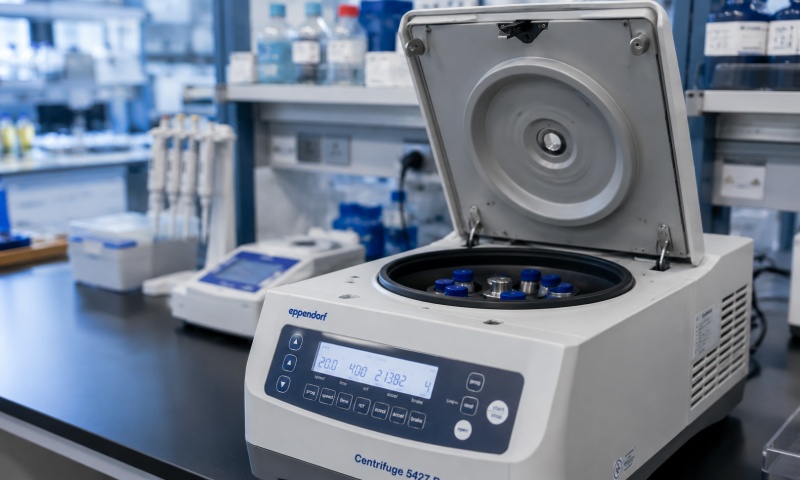
Low-speed refrigerated centrifuges are widely used in pharmaceutical laboratories, biological research, clinical laboratories, food testing, and other scientific applications. They combine centrifugal separation with temperature control, making them suitable for samples that require relatively low centrifugal forces and stable temperature conditions. Typical applications include cell separation, serum and plasma processing, protein precipitation, sample preparation, and biological material processing.
Although refrigerated centrifuges are generally reliable, improper operation, insufficient maintenance, rotor imbalance, refrigeration problems, and mechanical or electrical faults can affect performance. Regular inspection and preventive maintenance are therefore essential for safe and stable operation.
One common fault is that the centrifuge does not start after the power switch is turned on.
First, check whether the power supply is normal and whether the power cable and plug are securely connected. The emergency-stop button, if installed, should also be checked.
The lid-locking system is another important factor. Many centrifuges will not start unless the lid is completely closed and the safety-lock system confirms that it is secure. Inspect the lid, locking mechanism, and relevant sensors for contamination or mechanical damage.
If the display is completely inactive, the power supply, fuse, control board, or internal electrical circuit may require professional inspection.
Abnormal vibration is one of the most important faults in a centrifuge. It can be caused by unbalanced samples, incorrectly installed tubes, an improperly mounted rotor, or mechanical damage.
Before operation, tubes should be arranged symmetrically. Opposing tubes should have equivalent masses rather than simply relying on equal liquid volumes.
Check that the rotor is correctly installed and firmly secured according to the manufacturer's instructions. Inspect the rotor for cracks, corrosion, deformation, or other visible damage.
The centrifuge should be placed on a stable, level surface. If severe vibration suddenly occurs during operation, stop the centrifuge safely and investigate the cause rather than continuing operation.
Unusual sounds may indicate problems with the motor, rotor, bearings, drive system, or foreign objects inside the chamber.
A metallic scraping sound may indicate contact between rotating components and surrounding structures. Clicking or repetitive sounds may be related to rotor installation or mechanical components.
The centrifuge should be stopped immediately if abnormal noise is accompanied by severe vibration, unusual odor, or an alarm. Do not continue operation until the cause has been identified.
A refrigerated centrifuge must maintain the required temperature during operation. If the chamber temperature cannot reach the target value, check the temperature setting and allow sufficient time for pre-cooling.
The ventilation openings and condenser area should remain clean and unobstructed. Dust accumulation can reduce heat dissipation and decrease refrigeration efficiency.
Repeated opening of the centrifuge lid can also increase the chamber temperature. For temperature-sensitive samples, pre-cooling the rotor and chamber according to the operating procedure can improve temperature stability.
If the temperature remains significantly above the set value, possible causes include a refrigeration-system fault, temperature sensor problem, compressor issue, or refrigerant-system problem. These faults should be handled by qualified service personnel.
If the rotor accelerates slowly or cannot reach the programmed speed, first check whether the rotor is correctly installed and whether the load is balanced.
Excessive sample weight may also exceed the centrifuge's operating limits. Confirm that the selected rotor and adapter are compatible with the intended speed and load.
A drive-system fault, motor problem, speed sensor failure, or electronic controller issue may also prevent normal acceleration. Professional diagnosis may be necessary if basic checks do not resolve the problem.
A refrigerated centrifuge may keep the lid locked while the rotor is still moving. This is an important safety function.
Never attempt to force the lid open while the rotor is rotating. Wait until the centrifuge has completely stopped and the lid-lock indicator shows that opening is permitted.
If the rotor has stopped but the lid remains locked, check the displayed error message and follow the manufacturer's emergency-opening procedure. Mechanical force should not be used because it may damage the locking mechanism.
Sample leakage can occur because of damaged tubes, improperly closed caps, unsuitable adapters, or excessive sample volume.
After a leakage event, stop operation and follow the laboratory's cleaning and decontamination procedures. The rotor, adapters, chamber, and other affected surfaces should be inspected carefully.
Corrosive or biological residues should not be left inside the centrifuge. Depending on the materials involved, prolonged contamination may cause corrosion or damage to rotor surfaces.
Daily maintenance should include cleaning the chamber, checking the rotor, inspecting adapters, and removing any sample residue.
Before each operation, verify that the rotor is properly installed and that the sample load is balanced.
Periodic maintenance should include inspection of rotor condition, lid-lock mechanisms, drive components, temperature sensors, electrical connections, and refrigeration performance.
The rotor should be inspected regularly for corrosion, scratches, cracks, and deformation. A damaged rotor should not be used, even if the damage appears minor.
Calibration and performance verification should be conducted according to the manufacturer's recommended schedule and the laboratory's quality-management requirements.
Low-speed refrigerated centrifuges provide stable centrifugal separation while maintaining controlled sample temperatures. Common faults include startup failure, excessive vibration, abnormal noise, refrigeration problems, insufficient rotational speed, lid-lock failures, and sample leakage.
Effective maintenance begins with correct sample balancing, proper rotor installation, regular cleaning, temperature management, and routine inspection. When faults involve the motor, refrigeration circuit, electronic controller, safety system, or rotor structure, qualified technicians should perform the necessary inspection and repair.
A structured preventive-maintenance program can reduce unexpected downtime, extend equipment service life, and help ensure reliable and reproducible laboratory centrifugation.