
Consultation Hotline
+1 (302) 618-8777
+1 (302) 618-8777
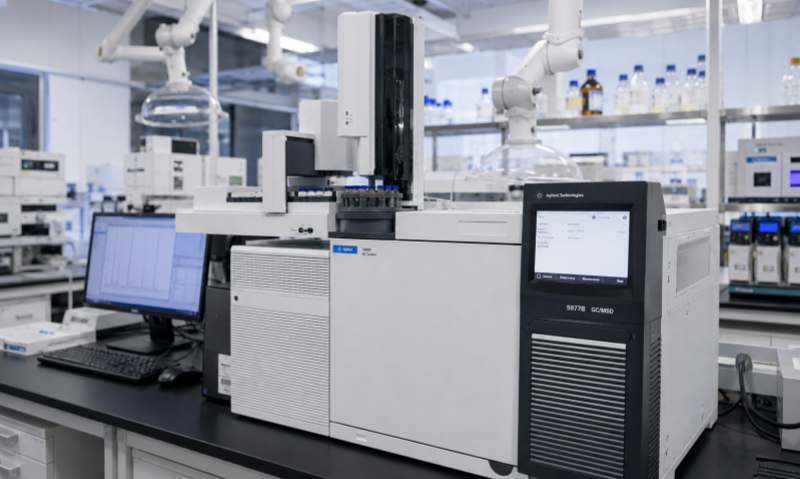
Small laboratory grinders are widely used in pharmaceutical laboratories, food testing, chemical research, biotechnology, agriculture, and material science. They are commonly used to reduce the particle size of powders, plant materials, pharmaceutical raw materials, chemical substances, and other laboratory samples. Compared with large industrial grinding equipment, small grinders are compact and convenient, but improper operation can still cause equipment damage, sample contamination, excessive dust, overheating, or personal injury.
Correct operation and routine maintenance are therefore essential for safe and reliable performance.
Before operating a small grinder, users should carefully read the manufacturer's operating instructions and understand the equipment structure, operating limits, rated power, grinding capacity, and applicable materials.
Do not operate the machine beyond its designed capacity. Different grinders may have different limitations regarding sample hardness, moisture content, particle size, and continuous operating time.
Users should also understand the function of the power switch, emergency stop device, grinding chamber, collection container, and other major components before starting the equipment.
A basic inspection should be performed before every use.
Check whether the power cord, plug, switches, cover, grinding chamber, and fastening components are in good condition. Make sure the grinding chamber is correctly installed and securely closed.
Inspect the grinding blades, grinding discs, or other grinding components for abnormal wear, deformation, cracks, or loose connections. Damaged components should be replaced before operation.
The grinder should be placed on a stable, dry, and level surface to prevent movement or excessive vibration during operation.
Not every material is suitable for a small laboratory grinder.
Extremely hard materials may cause excessive wear or damage to the grinding mechanism. Materials containing excessive moisture may stick to the grinding chamber and reduce grinding efficiency.
Users should also consider whether the material is corrosive, flammable, toxic, or capable of generating hazardous dust. Materials with special safety risks require equipment specifically designed for those applications.
Never grind materials that are outside the manufacturer's specified operating range.
Overloading is one of the most common causes of poor grinding performance and motor overheating.
The sample should be added according to the manufacturer's recommended capacity. Sufficient free space should be maintained inside the grinding chamber so that the material can move effectively during operation.
If the chamber is overloaded, the motor may experience excessive resistance, resulting in increased current, overheating, reduced grinding efficiency, or even motor failure.
For difficult materials, smaller batches are generally preferable to one large batch.
The grinding chamber cover must be completely closed before starting the machine.
Many modern laboratory grinders include safety interlocks that prevent operation when the cover is open. These safety devices should never be bypassed or manually disabled.
Do not open the grinding chamber while the blades or grinding mechanism are still moving. Even after switching off the power, wait until all rotating components have completely stopped before opening the chamber.
Continuous operation for an excessive period can cause motor and sample overheating.
Heat generated during grinding may affect temperature-sensitive pharmaceutical, biological, or chemical samples. Excessive temperature can also reduce sample quality or cause unwanted physical or chemical changes.
For temperature-sensitive materials, operate the grinder intermittently according to the manufacturer's recommendations. Allow sufficient cooling time between grinding cycles when necessary.
Grinding dry materials may generate fine particles. Dust can contaminate the laboratory environment and may present respiratory or other occupational hazards depending on the material.
The grinder should be operated in a suitable ventilated environment. If the sample can generate hazardous dust, appropriate containment and laboratory protective measures should be used.
Users should avoid blowing sample residue into the air with compressed air unless the equipment manufacturer specifically permits this method. Appropriate cleaning methods should be selected according to the material being processed.
Cross-contamination is particularly important in pharmaceutical and analytical laboratories.
After grinding one sample, remove residual material from the grinding chamber, blades, collection container, and other contact surfaces before processing the next sample.
Cleaning procedures should be compatible with the equipment materials. For sensitive analytical applications, validated cleaning procedures may be required.
If different materials are processed regularly, dedicated grinding components or containers may be useful for reducing cross-contamination.
The machine should be stopped immediately if abnormal vibration, unusual noise, burning odor, excessive heating, smoke, or sudden reduction in grinding performance occurs.
Do not attempt to inspect rotating components while the grinder is running.
After disconnecting the power safely, inspect the equipment for sample blockage, overloaded material, loose components, damaged grinding parts, or motor problems.
If the cause cannot be identified, the equipment should be inspected by qualified maintenance personnel.
After each use, the grinding chamber and sample-contact components should be cleaned according to the manufacturer's recommendations.
Check the grinding blades or discs regularly for wear. Excessive wear can affect particle-size consistency and increase the load on the motor.
Electrical cables, switches, bearings, and other mechanical components should also be inspected periodically.
Lubrication, if required, should use the correct lubricant and follow the manufacturer's maintenance schedule. Incorrect lubrication can contaminate samples or damage components.
Small laboratory grinders are useful tools for preparing samples and reducing particle size, but safe operation requires attention to equipment condition, sample selection, loading capacity, operating time, dust control, and cleaning.
Before each operation, users should inspect the grinder and confirm that the grinding chamber and safety cover are properly installed. Samples should be processed within the equipment's specified capacity, and excessive continuous operation should be avoided.
Regular cleaning and inspection can reduce wear, prevent cross-contamination, and maintain grinding consistency. When abnormal vibration, overheating, electrical faults, or mechanical damage occurs, the grinder should be stopped and inspected before further use.
Following proper operating procedures and preventive-maintenance practices can improve laboratory safety, extend equipment service life, and provide more consistent sample-preparation results.