
Consultation Hotline
+1 (302) 618-8777
+1 (302) 618-8777
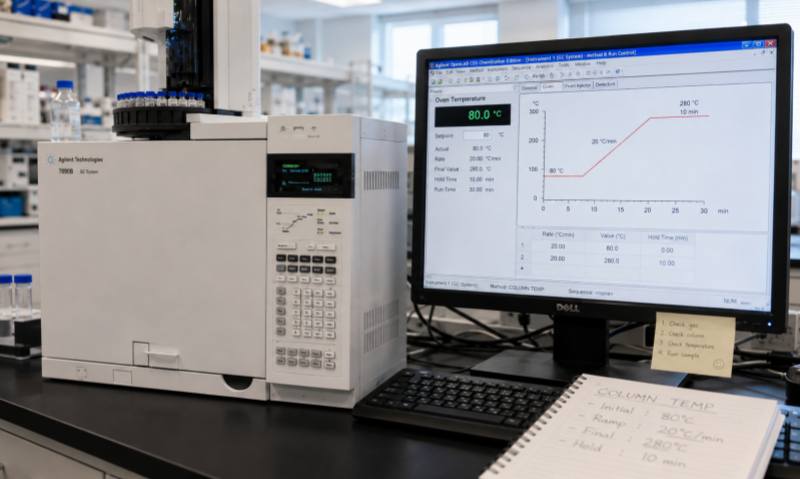
Electric thermostatic incubators are widely used in microbiology, biotechnology, pharmaceutical research, food testing, and general laboratory applications. Their primary function is to maintain a stable temperature suitable for sample incubation. In normal operation, the internal chamber should maintain the configured temperature without producing excessive condensation or ice. However, users may occasionally discover frost or ice inside the chamber, particularly near the cooling-related components, chamber walls, or air circulation areas. Although freezing may appear to be a simple temperature problem, it can indicate sensor, control, airflow, environmental, or operational abnormalities.
The first step in troubleshooting is to determine whether the equipment is actually designed to operate below ambient temperature. Traditional electric thermostatic incubators generally rely on heating and natural or forced convection rather than refrigeration. If a standard heating-only incubator develops visible ice, the situation is highly abnormal and may indicate an external refrigeration or environmental issue.
For refrigerated or temperature-controlled incubators, freezing can occur when the cooling system continues operating after the chamber has already reached the target temperature. Excessive cooling may reduce the evaporator or chamber surface temperature below the freezing point, causing moisture to condense and eventually form ice.
Incorrect temperature settings should be checked first. If the setpoint is too low relative to the equipment's intended operating range, the cooling system may operate for extended periods.
Users should verify the set temperature, control mode, temperature limits, and programmed operating schedule. Some advanced incubators have multiple temperature-control programs, and an incorrectly selected program can cause unexpected cooling behavior.
It is also important to compare the controller's displayed temperature with an independent calibrated thermometer. A large difference may indicate a sensor or control problem rather than an actual temperature-setting issue.
A defective or incorrectly positioned temperature sensor can cause the controller to misjudge the chamber temperature. For example, if the sensor reports a temperature higher than the actual chamber temperature, the controller may continue cooling, causing excessive temperature reduction and frost formation.
Inspect the sensor for displacement, contamination, corrosion, damaged wiring, or loose connections. The sensor should be installed in the position specified by the manufacturer and should not be blocked by samples or improperly attached to a cold surface.
If sensor readings are unstable or obviously inconsistent with an independent reference thermometer, the sensor should be tested and calibrated or replaced by qualified maintenance personnel.
Moisture is an essential factor in frost formation. Every time the incubator door is opened, warm and humid laboratory air can enter the chamber. When this moisture encounters a sufficiently cold surface, condensation occurs. If the surface temperature is below freezing, the condensation may become frost or ice.
Frequent door opening can therefore accelerate ice accumulation. Placing wet samples or containers with uncovered liquids inside the chamber can have the same effect.
To minimize moisture-related problems, keep the door closed as much as practical, ensure the door gasket seals properly, and avoid unnecessary placement of open liquid containers inside the chamber.
Improper airflow can create local cold spots. If the circulation fan is not working correctly, airflow is obstructed, or the chamber is overloaded, some areas may become significantly colder than others.
Check whether the circulation fan operates normally and whether shelves or samples are blocking air outlets. Do not pack samples tightly against the chamber walls or ventilation openings. Adequate space should be maintained around samples to allow uniform air circulation.
A damaged fan motor, blocked air duct, or excessive dust accumulation should be addressed promptly.
A damaged or aging door gasket can allow warm, humid air to continuously enter the chamber. This increases condensation and may eventually result in frost accumulation.
Inspect the gasket for cracks, deformation, hardening, or gaps. The door should close evenly and maintain sufficient sealing pressure.
The surrounding laboratory environment also matters. High humidity, low ambient temperature, or large temperature fluctuations can increase condensation. The incubator should be installed in a stable environment with sufficient ventilation and should remain within the manufacturer's specified ambient conditions.
If significant ice has already formed, do not remove it with sharp metal tools. Scraping can damage chamber surfaces, sensors, cooling components, or insulation.
First stop the equipment according to the manufacturer's procedure and allow the chamber to defrost naturally. Disconnect power when required by the maintenance procedure, remove samples safely, and allow all ice to melt completely.
After defrosting, dry the chamber thoroughly. Inspect the sensor, fan, door gasket, drainage system, and relevant control components before restarting the instrument.
If ice returns quickly after defrosting, the problem should not be treated as ordinary condensation. Further diagnosis is required.
Regular preventive maintenance is the most effective way to reduce freezing problems. Operators should periodically verify temperature accuracy, inspect door seals, clean ventilation openings, check fan operation, and monitor condensation.
The chamber should not be overloaded, and samples should be arranged to maintain sufficient airflow. Temperature calibration should also be performed according to the laboratory's quality-management requirements.
If freezing is accompanied by abnormal compressor operation, unstable temperature control, repeated alarms, unusual noise, or significant temperature deviations, the equipment should be removed from service until qualified technicians identify the cause.
Ice formation in a thermostatic incubator is not simply a cosmetic problem. It may be associated with incorrect settings, sensor failure, excessive humidity, frequent door opening, poor airflow, damaged door seals, or abnormal cooling-system operation.
A proper troubleshooting sequence should therefore include checking the temperature setting, verifying the actual chamber temperature, inspecting the sensor, evaluating humidity and airflow, checking the door seal, safely defrosting the chamber, and monitoring the equipment after restart.
Early diagnosis can prevent temperature instability, sample damage, corrosion, and unnecessary equipment downtime. For laboratory personnel, maintaining correct operating conditions and following the manufacturer's maintenance procedures remain the most reliable methods for keeping an incubator safe and stable.