
Consultation Hotline
+1 (302) 618-8777
+1 (302) 618-8777
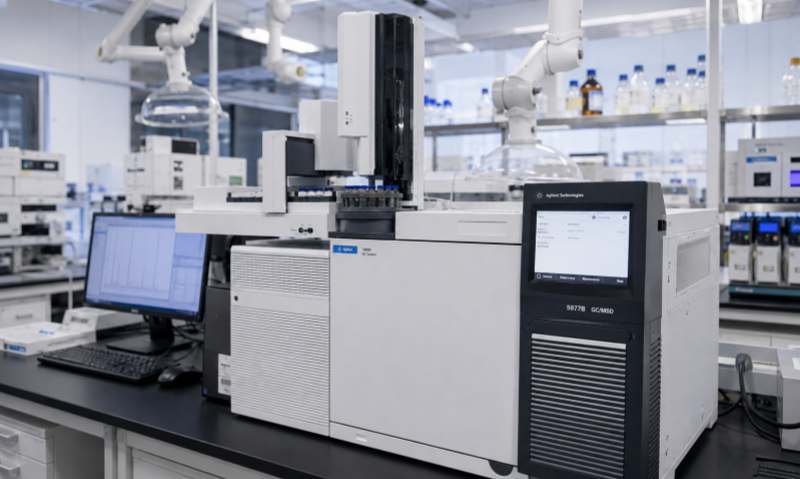
Automatic reactor controllers are widely used in chemical, pharmaceutical, materials, food, and research laboratories to regulate reactor temperature, stirring speed, pressure, feeding, and other process parameters. By integrating sensors, control modules, heating or cooling systems, and programmable logic, these controllers can improve process stability and reduce manual intervention. However, improper installation or operation may cause inaccurate control, equipment damage, or even serious safety incidents. The following five rules are essential for anyone responsible for installing, operating, or maintaining an automatic reactor controller.
Before installation, carefully check the controller's rated voltage, power consumption, grounding requirements, environmental temperature, humidity, and installation space. The power supply should meet the manufacturer's specifications and should have reliable protective grounding.
Avoid installing the controller in locations exposed to corrosive gases, excessive dust, water spray, or strong vibration. Sufficient ventilation should be maintained around the control cabinet to prevent excessive heat accumulation.
All electrical connections should be completed with the power switched off. Power cables, sensor cables, heating cables, and communication cables should be arranged separately where appropriate to reduce electromagnetic interference. Terminals should be firmly connected, and cables should not be excessively bent or placed close to high-temperature surfaces.
Before energizing the system, inspect the wiring against the electrical diagram and verify that emergency-stop and protective devices operate correctly.
Temperature, pressure, liquid-level, and other sensors are critical components of an automatic reactor control system. Incorrect sensor installation can lead to inaccurate measurements and inappropriate control decisions.
The temperature sensor should be installed at the position specified by the reactor design. It must have sufficient contact with the process medium and should not be positioned where it can easily contact the reactor wall unless specifically designed for that application.
Pressure sensors require particular attention. The connection must be properly sealed, and the sensor must be compatible with the operating pressure and chemical environment.
After installation, sensor readings should be checked against an appropriate reference before formal operation. If the displayed temperature or pressure differs significantly from the actual process condition, the system should not be placed into normal production operation until the problem has been investigated.
Regular calibration is also necessary. Sensor drift can gradually develop during long-term operation, especially under high-temperature, high-pressure, or chemically aggressive conditions.
Automatic control does not eliminate the need for correct parameter settings. Before starting a reaction, operators should confirm the target temperature, heating or cooling limits, stirring speed, pressure limits, alarm values, and program sequence.
Avoid setting control parameters beyond the rated specifications of the reactor, jacket, heating system, seals, sensors, or other connected equipment.
For temperature control, the heating rate should be appropriate for the process. Excessively rapid heating may cause local overheating, thermal stress, or an uncontrolled reaction. Similarly, sudden cooling can create thermal shock in some reactor materials.
Pressure limits deserve special attention. The alarm and shutdown values should be configured below the maximum allowable operating pressure of the reactor and associated components. Safety protection should never depend solely on software settings; appropriate mechanical pressure-relief protection should also be provided where required by the process and equipment design.
Before every significant operation, conduct a systematic inspection. Check the reactor body, cover, seals, valves, pipelines, mechanical connections, electrical cables, sensors, and control cabinet.
Confirm that the reactor contains the correct materials and that the filling volume is within the permitted range. Verify that valves are in the correct positions and that cooling or heating media can circulate normally.
For pressurized reactions, check the pressure indication and confirm that all relevant connections are properly secured. If a leak is suspected, do not simply tighten components while the reactor is pressurized. First bring the system to a safe condition.
The stirring system should also be checked before operation. Make sure the agitator rotates freely and that the selected speed is appropriate for the reactor and material characteristics.
Emergency-stop functions and alarms should be tested periodically according to the manufacturer's maintenance schedule.
Correct shutdown is as important as correct startup. After completing a reaction, reduce temperature and pressure according to the process procedure. Do not immediately open the reactor if it remains hot or pressurized.
For pressurized systems, confirm that the internal pressure has safely returned to the required level before opening any connection. For heated systems, allow sufficient cooling time before cleaning or maintenance.
After each operation, clean the reactor and relevant pipelines using a method compatible with the processed material and equipment construction. Chemical residues can corrode sensors, seals, valves, and internal surfaces.
Routine maintenance should include inspection of seals, pressure gauges, sensors, heating elements, cooling circuits, valves, electrical terminals, and communication connections. Abnormal temperature fluctuations, unstable pressure readings, unusual motor noise, frequent alarms, or unexplained control deviations should be investigated promptly.
The safe operation of an automatic reactor controller depends on more than simply pressing the start button. The five essential rules are: install the electrical system correctly, install and calibrate sensors accurately, configure control parameters within safe limits, perform comprehensive pre-operation inspections, and follow standardized shutdown and maintenance procedures.
A well-maintained automatic control system can significantly improve reactor consistency, repeatability, and operational efficiency. However, automation should always support—not replace—proper engineering controls, equipment specifications, safety devices, and trained operator judgment. When abnormal readings, alarms, leaks, or unexpected process behavior occur, the system should be placed in a safe state and inspected by qualified personnel before operation resumes.