
Consultation Hotline
+1 (302) 618-8777
+1 (302) 618-8777
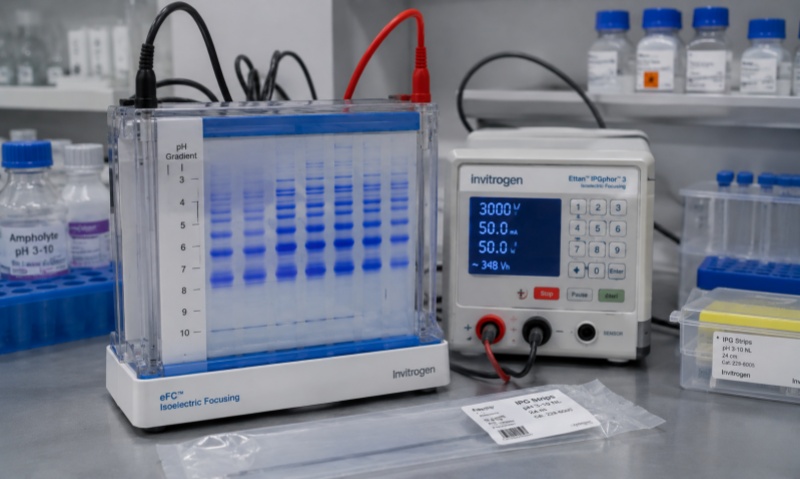
A conductivity meter is an analytical instrument used to measure the electrical conductivity of a solution. Conductivity reflects the concentration and mobility of dissolved ions, making it an important parameter for evaluating water quality, chemical solutions, and industrial processes. Modern conductivity meters are widely used because they provide rapid measurements, good repeatability, and relatively simple operation.
Conductivity meters have a wide range of laboratory and industrial applications. In water quality analysis, they are commonly used to evaluate tap water, purified water, distilled water, deionized water, and wastewater. Conductivity is also an important indicator in ultrapure water systems, where a significant increase may suggest ionic contamination or deterioration of purification components.
In chemical and pharmaceutical laboratories, conductivity measurements can be used to monitor solution concentration, verify cleaning processes, and support quality-control procedures. Pharmaceutical production facilities often use conductivity testing as part of purified-water and process-water monitoring.
In environmental analysis, conductivity helps assess the ionic content of rivers, lakes, groundwater, and wastewater. Changes in conductivity may indicate contamination, changes in mineral content, or variations in water chemistry.
Conductivity meters are also used in the food and beverage, electroplating, agriculture, semiconductor, and industrial water-treatment industries. Depending on the application, different conductivity cells and measurement ranges may be selected.
Proper calibration is essential for obtaining accurate conductivity measurements. Before calibration, inspect the conductivity electrode and make sure the cell is clean and free from visible contamination. If necessary, rinse it thoroughly with deionized water.
Calibration is normally performed using a certified conductivity standard solution with a known conductivity value. Common standards include solutions based on potassium chloride (KCl), with the appropriate concentration selected according to the expected measurement range.
First, switch on the conductivity meter and allow it to stabilize according to the manufacturer's instructions. Select the appropriate conductivity range or automatic calibration mode. Rinse the electrode with deionized water and gently remove excess liquid without damaging the cell.
Place the electrode into the calibration solution, ensuring that the sensing portion is completely immersed and free from trapped air bubbles. Allow the reading to stabilize. Enter or confirm the conductivity value of the standard solution according to its temperature and the instrument's calibration requirements. The meter will then calculate or adjust the cell constant.
For applications requiring high accuracy, calibration should be performed regularly and whenever the electrode is replaced, cleaned extensively, or exposed to conditions that may affect its performance. Calibration standards should be fresh, properly stored, and not returned to the original container after use.
Before measurement, select an appropriate conductivity cell for the sample. Different cells have different cell constants and measurement ranges, so using the correct electrode is important.
Rinse the electrode with deionized water and then, when appropriate, rinse it with a small amount of the sample. Immerse the electrode in the sample to the recommended depth. Avoid touching the electrode against the container wall or bottom.
If the sample contains bubbles, gently move the electrode or tap it lightly to remove trapped air. Bubbles around the sensing surfaces can cause unstable or inaccurate readings.
Temperature has a significant effect on conductivity. Therefore, use a conductivity meter with automatic temperature compensation when appropriate, or measure the sample at a controlled temperature. For precise laboratory work, record the measurement temperature together with the conductivity value.
Wait until the displayed value becomes stable before recording the result. After measurement, remove the electrode, rinse it thoroughly, and store it according to the electrode manufacturer's recommendations.
Unstable readings may result from dirty electrodes, insufficient immersion, air bubbles, temperature fluctuations, electrical interference, or contaminated samples. If readings are consistently inaccurate, check the calibration solution, electrode condition, cell constant, and temperature-compensation settings.
Never use a contaminated or expired calibration standard. Do not allow the electrode to dry out if the manufacturer specifies wet storage. Regular cleaning is also important, particularly when measuring samples containing proteins, oils, suspended solids, or other substances that can deposit on the electrode.
In summary, accurate conductivity measurement depends on proper electrode selection, correct calibration, effective temperature control, standardized operating procedures, and regular maintenance. By following these practices, conductivity meters can provide reliable and repeatable results across laboratory, environmental, pharmaceutical, and industrial applications.