
Consultation Hotline
+1 (302) 618-8777
+1 (302) 618-8777
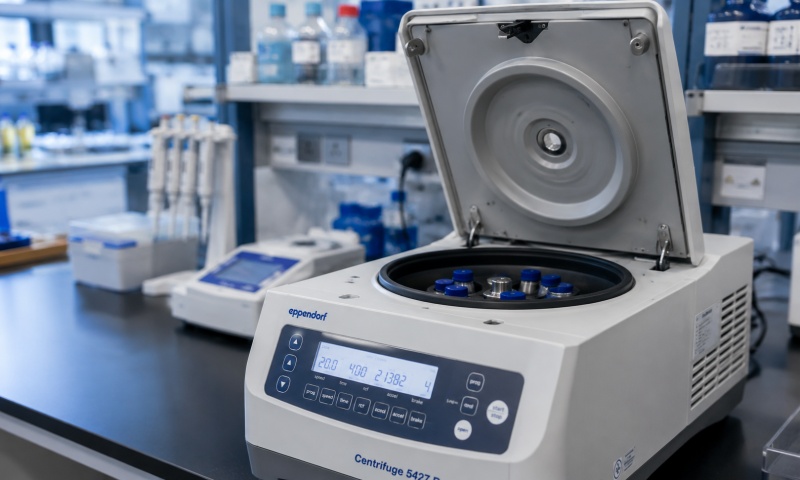
A digital constant-temperature water bath is widely used in laboratories for heating, incubation, sample preparation, and temperature-controlled experiments. Because the equipment combines water, electricity, heating elements, and electronic controls, improper operation can create an electrical leakage hazard. Typical causes include water entering electrical components, damaged power cords, poor grounding, excessive filling, or operating the bath in unsuitable conditions. Correct troubleshooting should always prioritize personal safety.
If an operator feels an electric shock, notices abnormal current leakage, sees sparks, or finds that the circuit breaker trips repeatedly, stop using the water bath immediately. Do not touch the equipment with wet hands or attempt to continue the experiment.
If it can be done safely, switch off the power from the appropriate electrical isolation point. Do not open the electrical compartment while the equipment is energized. Allow the unit to remain disconnected until the cause has been identified.
Improper filling is a common cause of leakage. If the water level is too high, water may enter the control panel, heating assembly, wiring connections, or other electrical components.
After disconnecting power, inspect the exterior for water overflow or splashing. Check whether water has accumulated around the control panel, power inlet, or bottom of the instrument.
If internal electrical components have become wet, do not simply switch the unit back on after wiping the exterior. The internal components should be inspected and dried appropriately by qualified personnel.
A damaged power cord, loose plug, broken insulation, or unreliable grounding connection can significantly increase electrical risk.
Check the cable for cuts, cracks, deformation, discoloration, or signs of overheating. Confirm that the protective earth connection is reliable and that the laboratory electrical outlet meets applicable safety requirements.
Never remove the grounding connection simply to stop a circuit breaker from tripping. The grounding system is an important protection against electric shock.
If external inspection does not identify the problem, the heating element or internal wiring may have insulation damage. A deteriorated heater can allow leakage current to reach the water or metal housing.
Electrical testing, such as insulation-resistance and leakage-current testing, should be performed by qualified technicians using appropriate instruments and procedures. If the heating element or wiring insulation has deteriorated, the damaged component should be replaced rather than temporarily repaired.
Operators should fill the bath according to the manufacturer's specified water-level range and avoid splashing the control section. Keep the equipment dry externally and never operate it with damaged cables or plugs.
Regular maintenance should include inspection of the power cord, grounding, heater, temperature controller, electrical connections, and leakage-protection device. Any repeated circuit-breaker trips or abnormal electrical behavior should be treated as a fault rather than bypassed.
Electrical leakage in a digital constant-temperature water bath is a safety-critical fault, not simply an equipment malfunction. The correct response is to stop operation, isolate the power safely, prevent contact with potentially energized surfaces, and have the equipment inspected by qualified personnel.
The most effective prevention is a combination of correct water-level control, reliable grounding, intact insulation, regular electrical inspection, and proper operator training. Never continue using a water bath when electrical leakage is suspected, and never bypass protective devices to keep the experiment running.