
Consultation Hotline
+1 (302) 618-8777
+1 (302) 618-8777
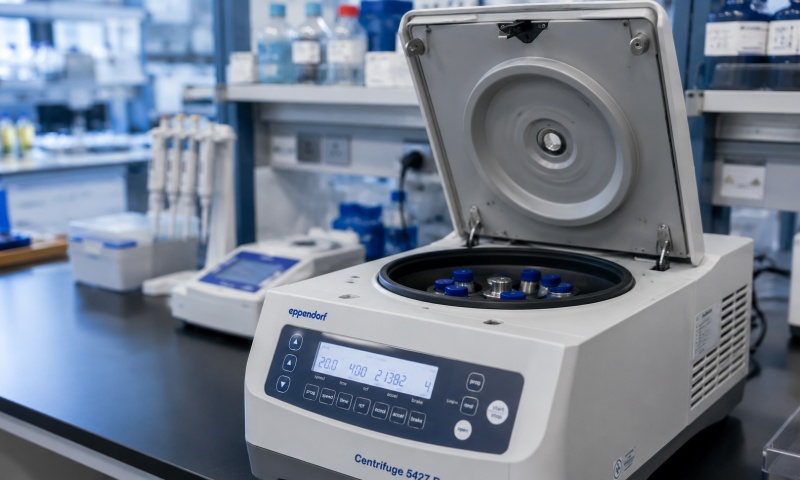
Mini centrifuges are widely used in laboratories because of their compact size, simple operation, and relatively high-speed performance. Although they are smaller than conventional laboratory centrifuges, they still require regular inspection and maintenance. Among the less common but important faults are abnormal oil temperature, abnormal oil level, and oil leakage. These problems may indicate lubrication failure, seal deterioration, overheating, or mechanical damage. If ignored, they can affect centrifuge stability and, in serious cases, create safety risks.
Abnormally high or low oil temperature is often an early indication of a mechanical or lubrication problem. During normal operation, a centrifuge's internal temperature should remain within the manufacturer's specified range. If the oil temperature rises rapidly, excessive friction may be occurring inside the drive or bearing system.
Several factors can cause abnormal oil temperature. Insufficient lubrication can increase friction between moving components, while excessive oil can also generate additional resistance and heat. A damaged bearing, misaligned rotating component, or overloaded rotor may produce excessive mechanical resistance. Poor ventilation around the centrifuge can further reduce heat dissipation.
Another possible cause is continuous operation at high speed for longer than recommended. Even a mini centrifuge can accumulate significant heat during repeated high-speed cycles.
Recommended solution: First stop the centrifuge and allow it to cool completely. Check the oil type and quantity according to the manufacturer's specifications. Inspect the bearing, drive system, and rotor for signs of excessive resistance or abnormal noise. If the temperature rises again immediately after restarting, continued operation should be avoided until the mechanical system has been inspected.
An oil level that is too low or too high can both cause operational problems.
A low oil level may result from gradual evaporation, improper maintenance, or an unnoticed leak. Insufficient oil can prevent critical components from receiving adequate lubrication, increasing friction and accelerating wear. In severe cases, it may lead to overheating or bearing damage.
An excessively high oil level is also undesirable. When rotating components operate at high speed, excessive oil can increase resistance and cause temperature increases. Oil may also become aerated or be forced toward seals and ventilation openings, increasing the possibility of leakage.
Oil level should therefore not be judged simply by appearance. The centrifuge should be checked according to the manufacturer's designated inspection position and procedure.
Recommended solution: Confirm the correct oil specification and recommended filling quantity. Do not simply add oil whenever the level appears low. First determine whether the oil has been lost through leakage or another abnormal condition. If the level is too high, remove the excess oil according to the maintenance procedure.
Oil leakage is one of the easiest faults to observe but can have several different causes. Common leakage points include seals, gaskets, drain plugs, joints, oil reservoirs, and damaged housing components.
Aging seals are a frequent cause. Over time, rubber or polymer sealing materials can harden, crack, or lose elasticity. High operating temperatures can accelerate this deterioration. Excessive internal pressure or overfilling may also force oil through otherwise normal sealing surfaces.
In addition, improper assembly during previous maintenance can cause uneven sealing pressure. A loose drain plug or damaged gasket may produce slow leakage that is difficult to notice during routine operation.
Recommended solution: Stop the centrifuge immediately if significant leakage is detected. Clean the external surface and identify the actual leakage point rather than simply adding more oil. Inspect seals, gaskets, joints, and drain components for damage or looseness. Replace deteriorated sealing components with compatible parts and verify the oil level after repair.
When abnormal oil temperature, oil level, and leakage occur together, technicians should avoid treating them as three completely independent problems. For example, oil leakage can cause a low oil level, which then results in insufficient lubrication and abnormal temperature.
A practical troubleshooting sequence is:
Stop operation and disconnect power.
Check for visible oil leakage.
Verify the oil level and oil condition.
Inspect seals, gaskets, and drain connections.
Check the rotor and drive system for abnormal resistance.
Inspect bearings and other rotating components.
Verify temperature and operating parameters after maintenance.
Technicians should also record the oil temperature, oil level, operating speed, operating time, and location of any leakage. Comparing these records over time can help identify developing mechanical problems before they become serious.
Abnormal oil temperature, abnormal oil level, and oil leakage are three maintenance issues that should not be ignored in mini centrifuges. They may be caused by simple maintenance errors, but they can also indicate bearing wear, seal failure, excessive mechanical resistance, or other internal problems.
Regular inspection, correct oil selection, proper filling procedures, and timely replacement of worn sealing components can significantly improve equipment reliability. Most importantly, when an abnormal temperature or significant oil leakage is detected, the centrifuge should not be forced to continue operating. Early diagnosis is usually much less expensive and safer than repairing damage caused by prolonged operation under abnormal conditions.