Consultation Hotline
+1 (302) 618-8777
+1 (302) 618-8777
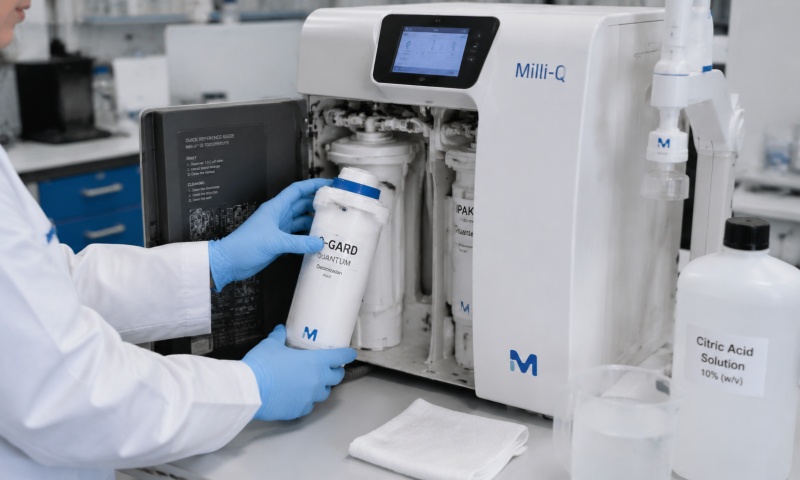
Laboratory ultrapure water systems are essential equipment in analytical chemistry, molecular biology, pharmaceutical research, semiconductor testing, and other high-precision applications. The quality of ultrapure water directly affects experimental accuracy, instrument performance, and data reliability. However, many laboratories experience problems where the performance of ultrapure water systems declines faster than expected, including reduced water quality, unstable resistivity, increased conductivity, lower flow rate, and frequent consumable replacement. Understanding the causes of rapid performance degradation and applying proper maintenance strategies are critical for extending equipment lifespan and ensuring stable operation.
The quality of incoming water is one of the most important factors affecting the service life of an ultrapure water system. If the pretreatment process is insufficient, excessive impurities such as suspended solids, organic compounds, chlorine, hardness ions, and microorganisms can quickly consume purification cartridges and reduce system efficiency.
For example, high chlorine levels can damage reverse osmosis membranes, while excessive hardness may cause scaling inside pipelines and filtration components. Therefore, laboratories should regularly monitor feed water quality and ensure that pretreatment units, including sediment filters, activated carbon filters, and softening systems, are functioning properly.
Ultrapure water systems rely on multiple purification stages, including pre-filters, reverse osmosis membranes, ion exchange cartridges, and polishing filters. When consumables reach their service limits but are not replaced promptly, the entire system will operate under excessive load.
Common signs of exhausted consumables include:
Increased conductivity or decreased resistivity;
Reduced water production speed;
Frequent system alarms;
Poor removal efficiency of organic contaminants.
Laboratories should establish a replacement schedule based on water consumption, feed water conditions, and manufacturer recommendations rather than waiting until water quality problems occur.
Microbial growth is a common reason for rapid deterioration of ultrapure water performance. Even when purification components are functioning normally, bacteria and biofilms can develop inside storage tanks, tubing, and dispensing loops.
Microbial contamination may lead to:
Increased total organic carbon (TOC);
Unstable water quality;
Blocked pipelines;
Unpleasant odors.
To prevent contamination, laboratories should regularly sanitize the water system, clean storage tanks, replace aging tubing, and avoid long periods of stagnant water. Systems that are used infrequently require special attention because stagnant conditions encourage microbial growth.
Incorrect operating habits can significantly shorten the life of an ultrapure water system. Common problems include frequent power cycling, long-term standby without flushing, and continuous operation beyond designed capacity.
Before collecting ultrapure water, users should allow the system to complete its flushing process to remove residual impurities. In addition, the equipment should not be installed in areas with extreme temperatures, high humidity, or excessive dust, as environmental conditions can affect electronic components and purification performance.
Continuous monitoring is essential for identifying performance decline at an early stage. Important parameters include resistivity, conductivity, TOC level, flow rate, and system pressure.
When abnormal trends appear, maintenance personnel should investigate the cause instead of simply replacing filters. For example, a sudden decrease in resistivity may indicate exhausted ion exchange cartridges, membrane problems, or microbial contamination.
Keeping detailed maintenance records, including cartridge replacement dates, water quality data, and repair history, helps predict future maintenance needs and reduces unexpected downtime.
A comprehensive maintenance strategy should include:
Regular inspection of pretreatment components;
Timely replacement of purification cartridges;
Routine cleaning and sanitization;
Monitoring of critical water quality indicators;
Inspection of pumps, valves, sensors, and electrical systems.
Preventive maintenance is usually more cost-effective than repairing failures after water quality has already been affected.
Rapid performance decline of laboratory ultrapure water systems is usually caused by poor feed water conditions, delayed consumable replacement, microbial contamination, improper operation, or insufficient maintenance. By improving pretreatment management, following scientific replacement schedules, maintaining system cleanliness, and monitoring key performance indicators, laboratories can significantly extend equipment service life and ensure consistent production of high-quality ultrapure water. Reliable water purification performance is essential for maintaining accuracy, repeatability, and efficiency in modern laboratory research.