
Consultation Hotline
+1 (302) 618-8777
+1 (302) 618-8777
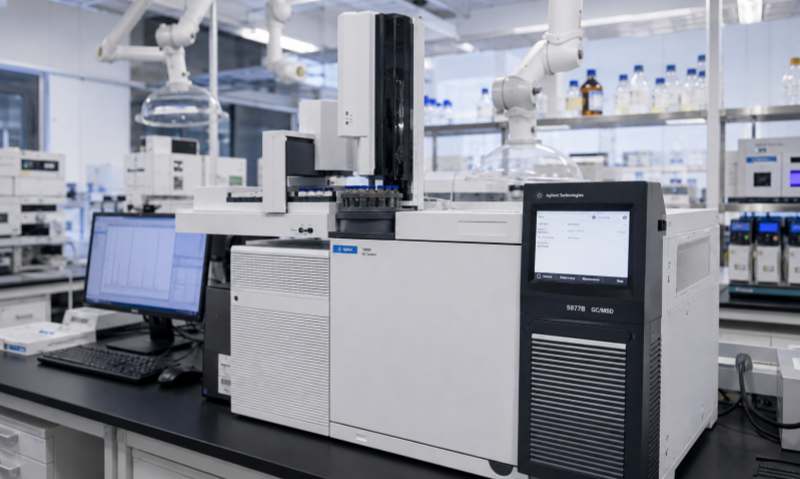
Isoelectric focusing (IEF) electrophoresis is an advanced separation technique widely used in proteomics, biotechnology, pharmaceutical research, and molecular biology. The accuracy of IEF analysis depends heavily on the stability of the pH gradient formed inside the focusing medium. When the pH gradient becomes unstable, problems such as poor protein focusing, distorted bands, low resolution, and inconsistent experimental results may occur. The following seven causes are commonly encountered during instrument operation and maintenance.
Ampholytes are the key components responsible for establishing the pH gradient in IEF experiments. If ampholyte reagents are expired, improperly stored, or contaminated, the generated pH gradient may become unstable.
Repeated freeze-thaw cycles or exposure to high temperatures can degrade ampholytes and reduce their ability to form a stable gradient. Using fresh, high-quality ampholytes stored under recommended conditions is essential for reliable focusing performance.
The concentration of ampholytes directly affects the formation and stability of the pH gradient. Too low a concentration may result in an incomplete gradient, while excessive ampholyte concentration can increase conductivity and cause abnormal ion migration.
Operators should strictly follow recommended concentrations and optimize ampholyte levels according to sample type and focusing conditions.
Contaminants in samples, such as salts, detergents, and high concentrations of charged molecules, can disturb the electric field and interfere with pH gradient formation.
High salt concentrations may cause excessive current and uneven ion distribution, leading to gradient distortion. Proper sample desalting, purification, and preparation are important steps before IEF analysis.
The electrode system plays a critical role in maintaining a stable electric field. Oxidation, contamination, poor contact, or incorrect electrode positioning may create uneven voltage distribution.
Regular cleaning of electrodes and checking electrical connections can help prevent unstable focusing conditions. Electrolyte solutions around the electrodes should also be replaced according to maintenance requirements.
Temperature changes can significantly affect ion mobility, buffer conductivity, and protein migration behavior. Excessive heat generated during high-voltage focusing may cause pH gradient drift.
A malfunctioning cooling system, poor heat dissipation, or incorrect temperature settings may lead to unstable results. Maintaining a constant operating temperature is essential for reproducible IEF experiments.
The voltage profile used during IEF directly influences gradient formation. Rapid voltage increases, insufficient focusing time, or inappropriate current limits may prevent a stable pH gradient from developing.
Optimizing the focusing program, including step voltage, final voltage, and focusing duration, can improve separation quality and reduce experimental variation.
The focusing medium, such as immobilized pH gradient (IPG) strips or polyacrylamide gels, can deteriorate during storage or repeated use. Moisture loss, mechanical damage, or improper storage conditions may affect gradient stability.
Using properly stored focusing materials and avoiding prolonged exposure to air are important for maintaining consistent performance.
Stable pH gradients are the foundation of successful isoelectric focusing electrophoresis. Problems related to ampholytes, sample preparation, electrodes, temperature control, operating parameters, and focusing materials are the main factors affecting gradient stability. Through proper reagent management, regular instrument maintenance, and optimized experimental conditions, laboratories can significantly improve IEF resolution, repeatability, and analytical reliability.