
Consultation Hotline
+1 (302) 618-8777
+1 (302) 618-8777
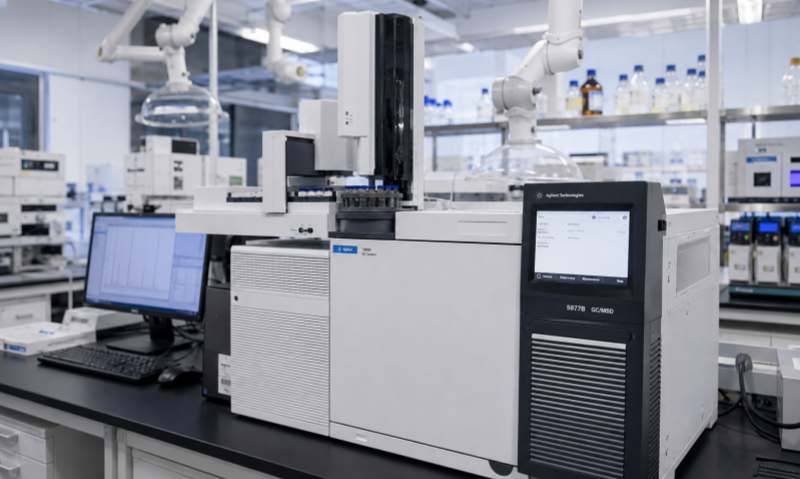
Temperature and humidity test chambers are essential environmental testing instruments widely used in electronics, automotive, aerospace, pharmaceutical, and material research industries. They simulate different temperature and humidity conditions to evaluate product reliability and durability. However, after long-term operation, failures such as temperature instability, humidity errors, refrigeration problems, and control system faults may occur. Quick and effective troubleshooting can reduce downtime and improve testing efficiency.
Temperature instability is one of the most common problems in environmental test chambers. Typical symptoms include slow temperature rise, inability to reach the set temperature, excessive temperature overshoot, or unstable temperature readings.
The first step is to check the temperature sensor. A damaged or inaccurate sensor can send incorrect signals to the controller, causing improper heating or cooling control. Inspecting sensor connections and verifying calibration accuracy are important maintenance procedures.
The heating system should also be examined. Damaged heaters, loose wiring, or faulty solid-state relays may prevent the chamber from reaching the required temperature. For cooling problems, check the compressor operation, condenser condition, and refrigerant pressure. Dust accumulation on the condenser can reduce heat dissipation efficiency and cause poor cooling performance.
Regular cleaning of the refrigeration system and verification of temperature calibration can significantly improve temperature stability.
Humidity control failures are another frequent issue in temperature and humidity test chambers. Common symptoms include humidity values that cannot reach the target level, slow humidity response, or large fluctuations during testing.
The humidification system should be inspected first. A blocked water supply line, insufficient water level, or damaged humidifying heater may prevent proper humidity generation. Mineral deposits from impure water can accumulate on humidification components and reduce performance.
For excessive humidity or unstable humidity control, check the dehumidification system, refrigeration evaporator, and drainage pipeline. Poor drainage can cause water accumulation and inaccurate humidity measurements.
Using purified water, cleaning humidification components regularly, and checking humidity sensor calibration are effective ways to maintain reliable humidity performance.
Modern environmental test chambers use intelligent controllers to monitor and regulate temperature, humidity, and system operation. Controller failures may appear as incorrect displays, communication errors, or frequent alarms.
When an alarm occurs, technicians should first check the alarm code and operating records. Many issues can be quickly identified through the controller’s diagnostic functions.
Electrical components such as relays, contactors, circuit breakers, and wiring terminals should be inspected regularly. Loose electrical connections can cause intermittent failures and safety risks. If communication problems occur between the chamber and computer software, check communication cables, drivers, and software settings.
Preventive maintenance is the most effective method to avoid unexpected downtime. Operators should regularly clean filters, inspect refrigeration pressure, check water quality, calibrate temperature and humidity sensors, and record equipment operating conditions.
A maintenance schedule should include daily inspections, monthly cleaning, and periodic professional calibration. Early detection of abnormal conditions can prevent major component failures.
Fast troubleshooting of temperature and humidity test chambers requires a systematic approach. Checking temperature sensors, heating and refrigeration systems, humidity components, and electrical controls can quickly identify most common problems. Through regular maintenance and proper operation, laboratories can improve equipment reliability, reduce repair costs, and ensure accurate environmental testing results.