
Consultation Hotline
+1 (302) 618-8777
+1 (302) 618-8777
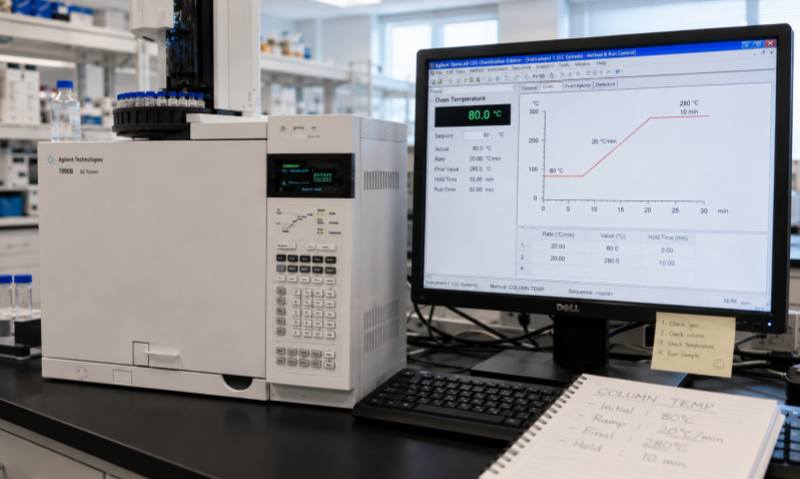
Ultrapure water systems are widely used in pharmaceutical laboratories, biotechnology research, chemical analysis, semiconductor manufacturing, and scientific research institutions. Reverse osmosis (RO) technology is one of the most important purification steps in these systems, effectively removing dissolved salts, organic compounds, microorganisms, and particulate impurities before water enters the final polishing stages.
However, microbial contamination of the reverse osmosis membrane is a common but often overlooked problem. Once microorganisms begin to grow on the RO membrane surface, they can form biofilms that reduce purification efficiency, increase operating costs, and even cause serious damage to the entire ultrapure water system. Understanding the causes, effects, and prevention methods of microbial contamination is essential for maintaining stable water quality.
Reverse osmosis membranes provide a suitable environment for microbial attachment and growth because they are continuously exposed to water containing trace organic nutrients and microorganisms.
The main sources of microbial contamination include:
Raw water naturally contains bacteria, fungi, and other microorganisms. If pretreatment systems such as activated carbon filters, sediment filters, or UV sterilization units are not working effectively, microorganisms can enter the RO unit.
Long periods of shutdown, low water circulation, and stagnant water inside pipelines create favorable conditions for microbial growth.
Failure to replace filters regularly or inadequate cleaning procedures can allow microorganisms to accumulate and spread throughout the purification system.
During maintenance operations, microorganisms from the surrounding environment may enter the water pathway if proper hygiene procedures are not followed.
The most harmful consequence of microbial contamination is the formation of biofilms.
genui{"biology_health_immunity_microbiology_learning_block":{"type_id":"GRAM_STAIN","locale_override":"en-US"}}
A biofilm is a complex microbial community attached to the membrane surface and protected by extracellular polymeric substances produced by microorganisms. This protective layer makes bacteria more resistant to normal flushing and chemical cleaning.
The development process usually includes:
Microorganisms attach to the membrane surface;
Cells multiply and produce protective extracellular materials;
A mature biofilm structure develops;
The biofilm releases microorganisms into downstream water pathways.
Once established, biofilms are difficult to remove completely and may repeatedly cause water quality problems.
Biofilm accumulation increases resistance across the membrane surface, causing:
Lower permeate flow;
Increased operating pressure;
Reduced system efficiency.
The RO pump must work harder to maintain output, increasing energy consumption and mechanical stress.
Microbial growth can affect the removal performance of RO membranes.
Common problems include:
Increased conductivity of purified water;
Higher total organic carbon (TOC);
Increased microbial counts;
Unstable ultrapure water quality.
For laboratories performing sensitive analytical work, such as HPLC, LC-MS, ICP-MS, or molecular biology experiments, unstable water quality can directly affect experimental accuracy.
Long-term microbial contamination may cause permanent membrane damage.
Possible effects include:
Chemical degradation of membrane materials;
Surface blockage;
Increased membrane fouling;
Reduced membrane lifespan.
Replacing RO membranes frequently increases maintenance costs and system downtime.
Operators should pay attention to the following symptoms:
A gradual increase in pressure difference across the membrane often indicates fouling or biofilm formation.
Reduced permeate production despite normal operating conditions may suggest membrane blockage.
Unexpected increases in conductivity may indicate reduced rejection performance.
Biological growth may produce odors or slimy deposits in storage tanks and pipelines.
Regular microbiological testing can identify contamination before serious damage occurs.
Effective pretreatment is the first defense against microbial contamination.
Recommended measures include:
Regular replacement of sediment filters;
Proper maintenance of activated carbon filters;
Installation of UV sterilization systems when required;
Monitoring feed water quality.
To reduce microbial growth:
Operate the system regularly;
Avoid long-term shutdown periods;
Implement automatic flushing programs;
Maintain proper water circulation.
RO membranes require periodic cleaning based on operating conditions.
Cleaning methods may include:
Alkaline cleaning for organic contamination;
Acid cleaning for mineral deposits;
Approved sanitization procedures for microbial control.
Cleaning frequency should be determined according to water quality monitoring results rather than a fixed schedule alone.
Even if the RO membrane is clean, downstream components can become contamination sources.
Important maintenance actions include:
Cleaning storage tanks regularly;
Maintaining circulation loops;
Checking pipelines and valves;
Monitoring microbial levels at usage points.
A comprehensive monitoring program helps detect microbial contamination early.
Recommended monitoring parameters include:
Conductivity;
Total organic carbon (TOC);
Microbial count;
Differential pressure across RO membranes;
Water production rate.
Data trends are often more valuable than individual measurements because gradual deterioration can be identified before system failure occurs.
Microbial contamination of reverse osmosis membranes is one of the major factors affecting the reliability of ultrapure water systems. Biofilm formation can reduce RO efficiency, increase operating costs, compromise water quality, and shorten membrane service life.
By improving pretreatment processes, preventing water stagnation, performing regular cleaning, and implementing effective monitoring programs, laboratories can significantly reduce microbial risks and maintain stable ultrapure water quality.
For modern laboratories relying on high-precision analytical instruments and sensitive experiments, protecting the RO membrane is not only a maintenance task but also a critical step in ensuring reliable scientific results.