
Consultation Hotline
+1 (302) 618-8777
+1 (302) 618-8777
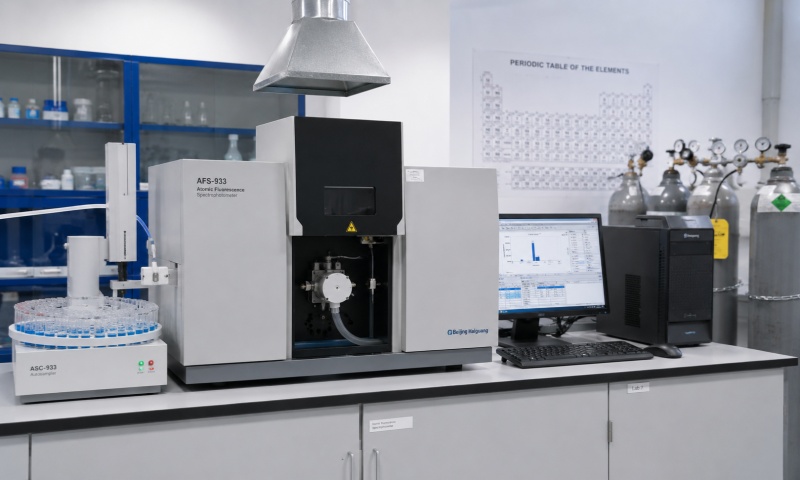
Baseline noise is one of the most common challenges encountered in liquid chromatography (LC) analysis. Excessive baseline fluctuations can reduce detection sensitivity, affect quantification accuracy, and make it difficult to identify low-concentration compounds, especially when using UV, fluorescence, or mass spectrometric detectors. Effective control of baseline noise requires systematic troubleshooting of the entire LC system, including the mobile phase, instrument components, environmental conditions, and analytical parameters.
The quality and preparation of the mobile phase are critical factors influencing baseline stability. Impurities, dissolved particles, and unstable solvents can generate background signals and random noise. High-purity HPLC-grade solvents should always be used, and all mobile phases should be properly filtered through suitable membrane filters, typically 0.22 μm or 0.45 μm, before use. Degassing is also essential because dissolved gases can form bubbles in the pump or detector flow cell, causing irregular baseline fluctuations. Online degassing systems or vacuum degassing can significantly improve signal stability.
The condition of the LC instrument itself should also be carefully evaluated. Pump performance directly affects baseline quality. Worn pump seals, damaged check valves, or trapped air inside the pump head may cause flow pulsation and pressure instability. Regular maintenance, including seal replacement, valve cleaning, and proper priming procedures, helps maintain a smooth solvent flow. In addition, leaks, loose fittings, and contaminated tubing connections should be inspected because they may introduce pressure variations and baseline disturbances.
The detector is another major source of baseline noise. A dirty flow cell, aging lamp, or incorrect detector settings can significantly increase signal fluctuations. For UV detectors, replacing an old lamp and cleaning the flow cell can restore sensitivity and reduce noise. Detector parameters such as wavelength selection, response time, and sampling rate should be optimized according to the analytical method. Excessively fast data acquisition may amplify random noise, while inappropriate settings can reduce signal quality.
Temperature control is also important for stable LC operation. Changes in laboratory temperature can affect solvent viscosity, retention time, and detector response, leading to baseline drift. Using a column oven and maintaining a stable laboratory environment can improve reproducibility. Additionally, electrical interference, vibrations, and nearby high-power equipment may introduce unwanted noise, so the LC system should be installed on a stable platform with proper grounding.
Column-related issues should not be overlooked. Contaminated columns, strongly retained impurities, or column degradation can cause unstable baselines. Regular column flushing, appropriate storage procedures, and the use of guard columns can extend column lifetime and maintain consistent performance.
In conclusion, improving LC baseline noise requires a comprehensive approach involving solvent quality, system maintenance, detector optimization, temperature control, and proper operating conditions. By systematically identifying and eliminating potential noise sources, laboratories can achieve higher sensitivity, better peak resolution, and more reliable quantitative results in liquid chromatography analysis.