
Consultation Hotline
+1 (302) 618-8777
+1 (302) 618-8777
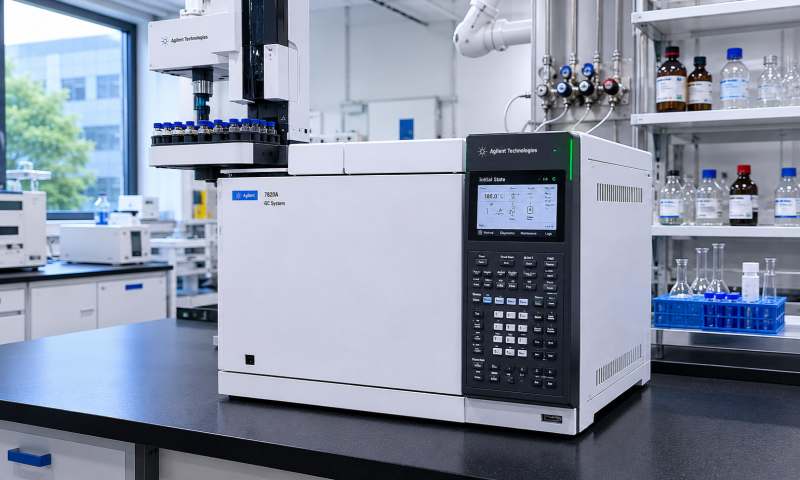
Polymerase Chain Reaction (PCR) technology is one of the most important molecular biology techniques used in genetics, clinical diagnostics, biotechnology research, food safety testing, and infectious disease detection. A high-quality PCR instrument directly affects amplification efficiency, reproducibility, accuracy, and laboratory productivity.
With many PCR platforms available on the market, including conventional PCR systems, real-time qPCR instruments, digital PCR systems, and high-throughput PCR solutions, selecting the right instrument requires careful evaluation of technical specifications, application requirements, and long-term operating costs.
This article discusses the key parameters that laboratories should consider when purchasing a PCR instrument.
Temperature control is one of the most critical performance indicators of a PCR instrument. PCR reactions depend on precise temperature cycling during denaturation, annealing, and extension stages. Even small temperature differences between wells can affect amplification efficiency and experimental reproducibility.
Important parameters include:
Temperature accuracy refers to the difference between the actual block temperature and the displayed temperature. A high-performance PCR system should maintain excellent temperature accuracy to ensure reliable reaction conditions.
Temperature uniformity describes the consistency of temperature across all wells in the thermal block. Poor uniformity may cause different amplification results between samples.
For research laboratories handling large numbers of samples, excellent temperature uniformity is especially important because it improves consistency and reduces experimental variation.
PCR efficiency is strongly influenced by the speed of temperature changes.
Important specifications include:
Maximum heating rate;
Maximum cooling rate;
Average ramp rate.
A faster ramp rate can shorten PCR cycling time and improve laboratory throughput. However, extremely fast temperature changes must be combined with accurate temperature control to avoid compromising reaction quality.
For high-throughput laboratories, instruments with advanced semiconductor-based heating technology or optimized thermal systems can significantly improve productivity.
The required sample capacity depends on the laboratory's workload.
Common PCR block formats include:
16-well systems for small-scale research;
48-well systems for medium throughput;
96-well systems for standard laboratory applications;
384-well systems for high-throughput screening.
Before purchasing, laboratories should evaluate:
Number of samples processed daily;
Required turnaround time;
Future expansion needs.
Choosing an instrument with appropriate capacity prevents unnecessary investment while ensuring future flexibility.
PCR instruments must be compatible with commonly available consumables to reduce operating costs.
Important considerations include:
Compatibility with PCR tubes;
Compatibility with 8-strip tubes;
Compatibility with 96-well plates;
Availability of compatible reagents and accessories.
Some systems require proprietary consumables, which may increase long-term costs. Instruments supporting standard consumables usually provide greater flexibility.
Modern PCR instruments rely heavily on software for programming, analysis, and data management.
Important software features include:
User-friendly interface;
Programmable PCR protocols;
Data storage capability;
Export functions;
User access management;
Network connectivity.
For regulated environments such as clinical laboratories and pharmaceutical companies, software compliance features, electronic records, and audit trails may be essential.
For real-time PCR instruments, fluorescence detection capability is a key purchasing factor.
Important parameters include:
Different fluorescent dyes require different detection channels. Multi-channel systems allow simultaneous detection of multiple targets.
High sensitivity enables detection of low-concentration nucleic acid targets and improves diagnostic performance.
A wide dynamic range allows accurate quantification across different sample concentrations.
When selecting a qPCR instrument, laboratories should consider current applications and potential future testing requirements.
A PCR instrument is a long-term laboratory investment. Reliability and maintenance requirements should be carefully evaluated.
Important factors include:
Instrument durability;
Availability of spare parts;
Technical support quality;
Calibration requirements;
Warranty conditions.
Regular maintenance, including temperature verification and cleaning, helps maintain instrument performance and extends service life.
Different laboratories have different PCR requirements.
May prioritize:
Flexible programming;
Fast cycling speed;
Multiple block formats;
Advanced software functions.
Usually require:
High reliability;
Strong quality control;
Compliance with regulatory standards;
Easy data traceability.
May focus on:
High throughput;
Automation compatibility;
Low operating costs.
Understanding the main application before purchase helps avoid selecting an unsuitable system.
PCR instruments from established manufacturers often provide advantages in reliability, application support, and long-term service.
When evaluating suppliers, consider:
Global service network;
Availability of technical engineers;
User training programs;
Software updates;
Customer feedback.
A reliable supplier can significantly reduce downtime and improve laboratory efficiency.
Selecting a PCR instrument requires more than comparing price and basic specifications. Temperature accuracy, temperature uniformity, heating and cooling speed, sample capacity, software capability, detection performance, maintenance requirements, and technical support are all essential factors that influence long-term performance.
A properly selected PCR system can improve experimental reproducibility, increase laboratory productivity, and reduce operating costs. Before purchasing, laboratories should carefully evaluate their current applications, future development plans, and technical requirements to choose the most suitable PCR platform.