
Consultation Hotline
+1 (302) 618-8777
+1 (302) 618-8777
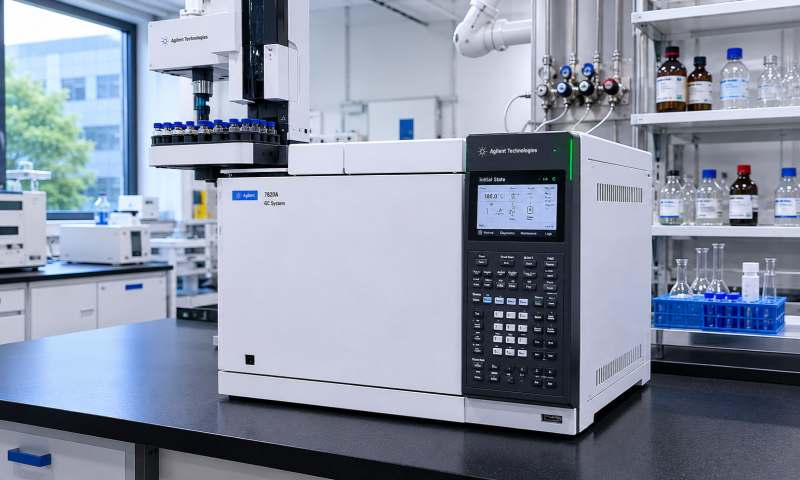
Swiss Rotronic transmitters are widely used in laboratories, pharmaceutical facilities, food production, electronics manufacturing, cleanrooms, warehouses, and industrial process monitoring systems. These transmitters are mainly designed for accurate measurement and transmission of environmental parameters such as temperature, humidity, dew point, and water activity. Due to their high accuracy, stability, and long-term reliability, Rotronic transmitters have become an important component in many critical environmental monitoring applications.
However, during long-term operation, Rotronic transmitters may experience measurement deviations, signal instability, communication failures, and other problems caused by environmental conditions, sensor aging, improper installation, electrical issues, or insufficient maintenance. Understanding common failures and applying correct troubleshooting methods can significantly improve equipment reliability and reduce downtime.
Large measurement deviations are among the most common problems encountered with Rotronic transmitters. Typical symptoms include:
Temperature or humidity readings significantly differ from reference instruments;
Measurement values gradually drift over time;
Slow response to environmental changes;
Calibration results become unstable after a short period.
Rotronic temperature and humidity transmitters use high-precision sensing elements. After years of operation, sensors may experience sensitivity reduction due to natural aging, chemical exposure, or contamination.
In pharmaceutical, chemical, or laboratory environments, dust, oil mist, volatile organic compounds, and other contaminants may accumulate on the sensor surface, affecting humidity response and measurement accuracy.
Even high-quality sensors require regular calibration. If calibration is neglected for an extended period, measurement errors may gradually increase.
Perform calibration using certified humidity standards or calibration equipment;
Clean the sensor protection cap carefully;
Replace the sensor module if aging or damage is severe;
Establish a regular calibration schedule.
The transmitter is powered on normally, but the control system, PLC, data acquisition system, or monitoring software cannot receive valid signals.
Common signs include:
No change in 4–20 mA output;
RS485 communication failure;
Local display works but external systems receive no data.
Some Rotronic industrial transmitters require stable power input. Voltage fluctuations, insufficient power supply, or incorrect wiring may cause output failure.
Over time, terminal connections may become loose due to vibration or environmental conditions, resulting in unstable or interrupted signals.
For transmitters using communication protocols such as Modbus RTU, incorrect settings including device address, baud rate, or parity configuration may prevent communication.
Check supply voltage using a multimeter;
Inspect power and signal wiring;
Verify communication parameters;
Replace damaged cables or connectors if necessary.
A properly functioning Rotronic transmitter should respond quickly to environmental changes. Problems may appear as:
Humidity readings change very slowly;
Temperature response becomes delayed;
Data refresh speed decreases.
Contamination on the sensor surface;
Blocked protective filter;
Poor air circulation at the installation location;
Long-term exposure to extreme humidity conditions.
Clean or replace the protective filter cap;
Check whether the installation location represents the actual environment;
Avoid placing transmitters in dead air zones;
Replace the sensor probe if performance degradation is confirmed.
Users may experience:
Sudden large changes in displayed values;
Random data fluctuations;
Unstable output signals.
Equipment such as frequency converters, motors, and high-power electrical devices may generate electromagnetic interference affecting signal stability.
Poor grounding may introduce electrical noise and cause unstable readings.
Damaged shielding layers or improperly installed signal cables can increase interference.
Use properly shielded signal cables;
Ensure correct grounding;
Separate signal cables from power cables;
Inspect cables for damage.
Some Rotronic transmitters are used for dew point monitoring in compressed air systems and gas drying applications. Dew point measurement problems may appear as:
Higher-than-expected dew point readings;
Slow response;
Inconsistent results compared with actual system conditions.
Sensor contamination by liquid water;
Failure of gas filtration systems;
Unstable sampling flow;
Lack of regular sensor calibration.
Check sampling lines for leakage;
Inspect filters and replace if necessary;
Maintain stable sampling flow;
Perform professional calibration of dew point sensors.
To ensure long-term stable operation of Rotronic transmitters, laboratories and industrial users should follow these maintenance practices:
Regularly inspect power supply and communication status;
Perform calibration verification every 6–12 months depending on application requirements;
Prevent prolonged exposure to corrosive gases or aggressive chemicals;
Keep sensor protection caps clean;
Maintain operating records to identify performance trends early.
For Rotronic transmitters installed in cleanrooms, GMP pharmaceutical environments, or precision laboratories, preventive maintenance should be performed according to quality management requirements.
Although Swiss Rotronic transmitters are known for excellent reliability and accuracy, all precision measurement instruments can be affected by environmental conditions, installation factors, and long-term operation. By systematically analyzing common issues such as measurement deviation, signal failure, communication errors, slow response, and unstable readings, users can quickly restore instrument performance.
Proper maintenance, regular calibration, and professional troubleshooting not only extend the service life of Rotronic transmitters but also ensure accurate environmental monitoring data for laboratories and industrial production processes. Reliable measurement is essential for maintaining product quality, regulatory compliance, and operational efficiency.