
Consultation Hotline
+1 (302) 618-8777
+1 (302) 618-8777
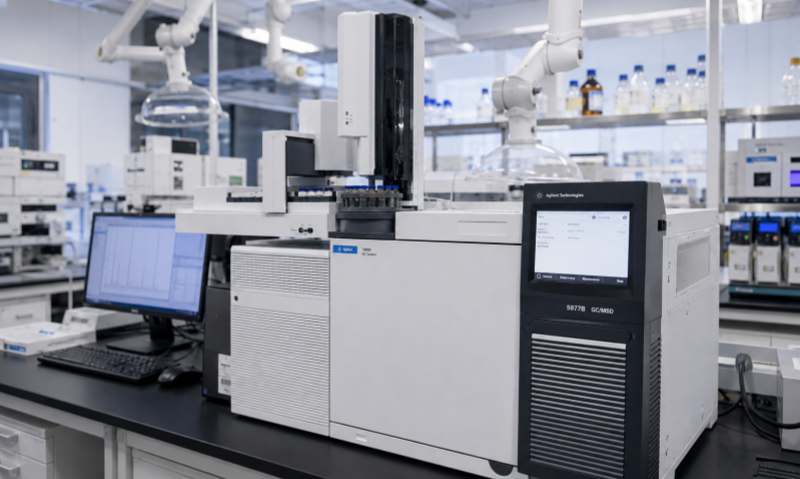
Gas chromatography (GC) is a high-precision analytical instrument widely used in pharmaceutical, chemical, environmental, food, petrochemical, and scientific research laboratories. A GC system provides accurate separation and detection of volatile and semi-volatile compounds, but its analytical performance depends not only on instrument quality and operating skills but also on proper installation conditions.
Before installing a gas chromatograph, laboratories must complete a series of preparation tasks involving the installation environment, power supply, carrier gases, ventilation, accessories, safety requirements, and supporting equipment. Proper preparation can reduce installation problems, improve instrument stability, and ensure reliable analytical performance.
This article provides a detailed guide to the essential preparation work required before installing a GC system.
The installation environment is one of the most important factors affecting GC performance. A suitable laboratory environment helps maintain temperature stability, reduce contamination, and extend instrument lifetime.
The GC should be installed in a clean, dry, and stable area.
Recommended conditions:
Avoid direct sunlight.
Keep away from strong vibration sources.
Avoid locations near chemical storage areas.
Keep away from strong electromagnetic interference.
Provide sufficient working space around the instrument.
The installation bench should be:
Stable and level.
Strong enough to support the instrument weight.
Resistant to chemical corrosion.
Avoid placing the GC near equipment that generates heat, such as ovens, furnaces, or large power devices.
Gas chromatographs require stable environmental conditions.
Recommended laboratory conditions:
Temperature: approximately 18–28°C.
Relative humidity: generally 30–70%.
Large temperature fluctuations may cause:
Retention time changes.
Detector instability.
Baseline drift.
Calibration errors.
Excessive humidity may cause:
Electrical failures.
Corrosion of electronic components.
Gas line contamination.
A laboratory air-conditioning system should maintain stable temperature throughout operation.
A stable electrical supply is essential for GC operation.
Before installation, confirm:
Voltage rating.
Frequency requirements.
Power capacity.
Grounding conditions.
Different GC models may have different electrical requirements. The laboratory should confirm specifications with the instrument manufacturer.
The power supply should include:
Independent power outlet.
Reliable grounding.
Surge protection if necessary.
Avoid sharing the same power line with high-power equipment such as:
Refrigerators.
Centrifuges.
Heating equipment.
Motors.
Electrical fluctuations may affect:
Detector stability.
Temperature control.
Electronic boards.
Carrier gas quality directly affects GC sensitivity and column lifetime.
Common carrier gases include:
Helium.
Hydrogen.
Nitrogen.
The laboratory should prepare appropriate gas supplies before installation.
High-purity gases are required for accurate analysis.
Typical requirements:
High purity helium.
High purity nitrogen.
High purity hydrogen.
Impurities may cause:
Column degradation.
Detector contamination.
Increased background noise.
Reduced sensitivity.
Before installation:
Prepare suitable gas cylinders.
Install pressure regulators.
Prepare gas tubing.
Check connection fittings.
Gas cylinders should be:
Properly secured.
Stored in ventilated areas.
Clearly labeled.
Avoid placing gas cylinders where they may fall or be exposed to excessive heat.
The gas delivery system must be clean and leak-free.
Use compatible tubing such as:
Stainless steel tubing.
High-quality copper tubing (depending on application).
Avoid materials that release contaminants.
Before connecting the GC:
Check all fittings.
Perform leak testing.
Confirm stable pressure.
Gas leaks can cause:
Poor peak shape.
Retention time instability.
Detector failure.
Increased gas consumption.
GC instruments may generate exhaust gases during operation, especially when using detectors such as FID, TCD, or MS systems.
The laboratory should prepare:
Proper ventilation.
Exhaust connections if required.
Adequate airflow.
Good ventilation helps remove:
Combustion gases.
Solvent vapors.
Ozone.
Chemical residues.
For flame detectors, proper ventilation is especially important for laboratory safety.
Before installation, prepare all required accessories and consumables.
Common items include:
Prepare suitable columns according to analytical requirements:
Capillary columns.
Packed columns.
Different stationary phases.
Check:
Column specifications.
Temperature limits.
Application compatibility.
Prepare:
Syringes.
Septa.
Inlet liners.
Ferrules.
O-rings.
These consumables are critical for stable injection performance.
Depending on the detector type, prepare:
For FID:
Hydrogen supply.
Air supply.
Makeup gas.
For TCD:
Reference gas.
For GC-MS:
Vacuum pump oil.
Calibration standards.
Modern GC systems require dedicated software for instrument control and data processing.
Before installation:
Prepare a suitable computer.
Confirm operating system compatibility.
Install required software.
Prepare network connections if needed.
Check:
Data storage capacity.
User permissions.
Backup systems.
A proper data management system prevents loss of important analytical results.
Safety preparation is essential before operating a GC.
Prepare:
Chemical waste containers.
Solvent storage facilities.
Safety labels.
Ensure:
Gas cylinder fixation.
Proper ventilation.
Leak detection equipment.
Hydrogen requires special attention because it is flammable.
The laboratory should have:
Fire extinguishers.
Emergency procedures.
Clear operating instructions.
Before installation, prepare technical documents including:
Instrument manuals.
Installation requirements.
Warranty information.
Maintenance records.
Laboratory safety procedures.
The installation engineer may need:
Site information.
Power specifications.
Gas supply information.
Application requirements.
Before the GC installation engineer arrives, confirm:
✓ Installation area prepared
✓ Temperature and humidity controlled
✓ Adequate space available
✓ Correct voltage available
✓ Grounding completed
✓ Stable power supply confirmed
✓ Gas cylinders ready
✓ Regulators installed
✓ Gas lines prepared and leak-tested
✓ Columns available
✓ Syringes and consumables prepared
✓ Detector gases ready
✓ Ventilation available
✓ Gas cylinders secured
✓ Safety equipment prepared
Proper preparation before installing a gas chromatograph is essential for achieving reliable analytical performance and minimizing future operational problems. A successful GC installation requires careful planning of the laboratory environment, power supply, carrier gases, ventilation, accessories, software, and safety systems.
By completing all preparation work before installation, laboratories can ensure smooth instrument commissioning, accurate analytical results, reduced downtime, and longer service life of the gas chromatography system. A well-prepared installation environment provides the foundation for efficient and stable GC operation in research and industrial applications.