
Consultation Hotline
+1 (302) 618-8777
+1 (302) 618-8777
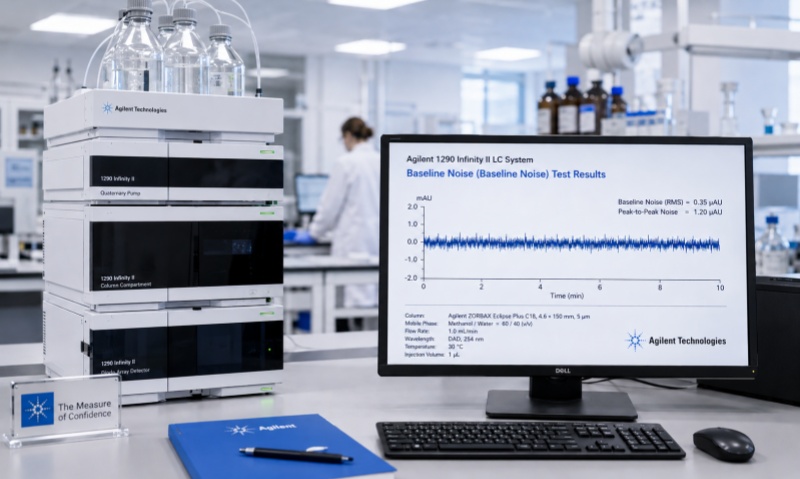
High-Performance Liquid Chromatography (HPLC) systems are highly sensitive analytical instruments widely used in pharmaceutical, environmental, food safety, and life science laboratories. Over time, metallic components such as stainless-steel tubing, pump heads, injectors, and column housings may become contaminated or lose inertness due to adsorption of metal-sensitive analytes, buffer residues, or microbial growth. Acid cleaning and passivation are essential maintenance procedures to restore system performance, reduce carryover, and improve peak shape and reproducibility.
This technical guide outlines standard procedures for acid cleaning and passivation of HPLC systems, along with best practices and precautions.
HPLC systems contain stainless steel surfaces that can interact with analytes, especially acidic proteins, phosphopeptides, or metal-chelating compounds. These interactions may cause peak tailing, low recovery, or poor reproducibility.
The main objectives of acid cleaning and passivation are:
Remove inorganic contaminants (salts, buffer residues, metal oxides)
Eliminate organic residues and microbial growth
Form a stable oxide layer on stainless steel surfaces
Reduce metal ion leaching
Improve chromatographic inertness and peak symmetry
Passivation creates a thin, protective chromium oxide layer on stainless steel, reducing active sites that cause unwanted adsorption.
Before performing acid cleaning or passivation, the HPLC system must be properly prepared to prevent damage:
Remove analytical column and replace with a union or bypass capillary
Flush the system with deionized water to remove buffer salts
Ensure all mobile phases are removed from the pump, injector, and detector flow path
Confirm compatibility of seals, tubing, and detector cells with acidic solutions
Set system pressure limits according to manufacturer recommendations
It is critical to avoid introducing acid directly into sensitive columns unless specifically required by the column manufacturer.
Acid cleaning is typically performed using dilute nitric acid (HNO₃), phosphoric acid (H₃PO₄), or acetic acid (CH₃COOH), depending on the level of contamination.
Flush the system with ultrapure water (18.2 MΩ·cm) for 20–30 minutes at a moderate flow rate (e.g., 0.5–1.0 mL/min for analytical systems). This removes residual salts and buffers.
Prepare a cleaning solution such as:
0.1–1.0% nitric acid (preferred for metal oxide removal)
0.5–2.0% phosphoric acid (for stubborn inorganic scaling)
1–5% acetic acid (mild cleaning and biocontamination control)
All solutions must be freshly prepared using high-purity reagents and filtered (0.22 µm recommended).
Pump the acid solution through the entire flow path, including:
Pump heads
Injector valve
Tubing
Detector flow cell (if compatible)
Flush for 30–60 minutes at low to moderate flow rate. Avoid high pressure operation during acid exposure.
For severe contamination, the system can be stopped and allowed to soak for 30–120 minutes to enhance cleaning efficiency.
After acid treatment, thorough rinsing is essential:
Flush with large volumes of ultrapure water (at least 10–20 system volumes)
Ensure effluent pH is neutral (pH ~6–7)
Optionally flush with 50:50 water–methanol mixture to remove residual organic contaminants
Incomplete rinsing may result in corrosion or interference with subsequent analyses.
Passivation is the process of chemically stabilizing the stainless-steel surface by enhancing the chromium oxide layer. This step improves inertness and reduces analyte-metal interactions.
A commonly used passivation solution is:
1–2% nitric acid (HNO₃) in ultrapure water
Alternatively, commercial passivation reagents designed for HPLC systems may be used.
Pump the passivation solution through the entire system at 0.5–1.0 mL/min for 30–60 minutes.
During this step:
Maintain low pressure conditions
Avoid column installation
Ensure uniform exposure across all wetted surfaces
For new systems or heavily used systems, static soaking for 1–2 hours can improve oxide layer formation.
After passivation:
Flush thoroughly with ultrapure water until neutral pH is achieved
Condition the system with starting mobile phase (e.g., water or aqueous buffer)
Reinstall the analytical column
Run system suitability tests to confirm performance recovery
It is recommended to monitor baseline stability, pressure consistency, and peak shape after treatment.
Acid cleaning involves hazardous chemicals and must follow laboratory safety protocols:
Always wear appropriate PPE (gloves, goggles, lab coat)
Use acid-resistant waste containers
Ensure proper ventilation or fume hood operation
Never mix acids with organic solvents (risk of exothermic reactions)
Follow manufacturer guidelines for pump and seal compatibility
The frequency of acid cleaning and passivation depends on usage conditions:
Routine labs: every 3–6 months
High-throughput or bioanalysis labs: monthly or as needed
After buffer-intensive or metal-sensitive applications: immediately recommended
Regular maintenance helps extend instrument lifespan and maintain chromatographic performance.
Acid cleaning and passivation are essential maintenance procedures for maintaining optimal HPLC performance. Proper execution removes contaminants, restores surface inertness, and significantly improves chromatographic quality. When performed correctly, these procedures reduce peak tailing, improve sensitivity, and enhance long-term system stability. By integrating regular cleaning and passivation into laboratory maintenance schedules, users can ensure consistent analytical accuracy and prolong instrument service life.