
Consultation Hotline
+1 (302) 618-8777
+1 (302) 618-8777
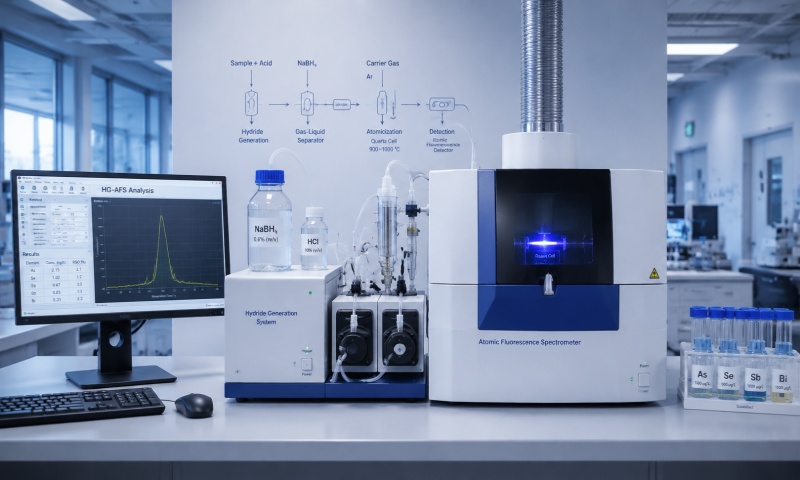
An Atomic Fluorescence Spectrometer (AFS) is a highly sensitive analytical instrument widely used for trace detection of elements such as As, Hg, Se, and Sb. Because AFS relies on stable hydride generation, clean optical pathways, and contamination-free fluidics, routine cleaning is critical for maintaining sensitivity, precision, and long-term stability. This article summarizes seven essential cleaning procedures for AFS systems, covering gas, liquid, optical, and atomization components.
The sample introduction pathway is the most contamination-prone part of an AFS system.
Flush the sample tubing (ST) with deionized water (DIW) for 10–15 minutes
Follow with 5–10% nitric acid (HNO₃) solution for acidic cleaning
Rinse again with DIW until neutral pH is achieved
Prevent salt crystallization inside tubing
Remove residual matrix components
Avoid cross-contamination between samples
If a nebulizer is used, it should be soaked in dilute acid and gently backflushed.
The hydride generation module (HG) is critical for volatile hydride formation.
Flush reagent lines (acid, reducing agent such as NaBH₄) with DIW
Clean acid line with dilute HCl or HNO₃
Rinse reductant line thoroughly to prevent borohydride crystallization
Run blank solution for stabilization
Blockage due to NaBH₄ decomposition residues
Gas-liquid separation instability
The GLS separates hydride gas from liquid waste and is highly sensitive to contamination.
Disassemble GLS carefully
Soak glass components in 5–10% nitric acid for 20–30 minutes
Rinse with DIW and dry in dust-free environment
Check sealing O-rings and replace if aged
Residual droplets or salts in GLS can cause signal suppression and instability.
The atomization zone is where hydrides are decomposed and excited.
Remove quartz tube carefully after cooling
Clean with dilute acid soak (HNO₃ or HCl depending on contamination type)
For severe contamination, use mild detergent followed by acid rinse
Rinse thoroughly with DIW and dry under clean air
Avoid mechanical scratching of quartz surfaces to prevent optical scattering and signal loss.
Optical components in AFS (OPT) directly affect fluorescence signal intensity.
Use lint-free optical tissue and high-purity ethanol or isopropanol
Gently wipe lenses and windows in a circular motion
Remove dust using nitrogen gas blow before wiping
Inspect for salt fogging or condensation marks
Contaminated optics lead to reduced sensitivity and increased baseline noise.
Stable gas flow is essential for signal stability.
Purge gas lines (carrier gas, argon or nitrogen) for 10–20 minutes
Inspect gas filters and replace if contaminated
Drain moisture traps regularly
Check for oil contamination in regulator systems
Moisture accumulation causing signal drift
Particulate blockage in flow restrictors
The waste pathway often accumulates salts and chemical residues.
Flush waste tubing with DIW immediately after analysis
Periodically rinse with dilute acid to dissolve salt deposits
Inspect peristaltic pump tubing (if used) and replace when hardened or cracked
Ensure waste bottle is cleaned to avoid microbial growth
Backpressure or blockage in waste lines can destabilize the entire hydride generation process.
An Atomic Fluorescence Spectrometer (AFS) is highly sensitive to contamination across its sample introduction, hydride generation, atomization, optical, gas, and waste systems. Regular implementation of these seven cleaning procedures ensures stable baseline, high sensitivity, and reliable analytical performance.
Proper maintenance not only extends instrument lifespan but also significantly reduces signal drift, memory effects, and detection limit deterioration. In routine laboratory operation, a structured cleaning schedule is essential for maintaining optimal AFS performance.