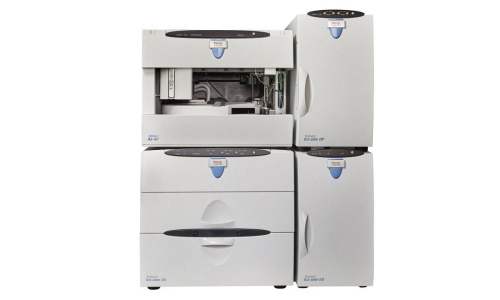
Dual-channel ion chromatographs are widely applied in water quality monitoring, environmental testing, food safety and chemical analysis for quantitative detection of anions and cations. The system relies on stable high-pressure pump delivery and smooth fluid pipeline circulation to ensure accurate retention time and stable peak shape. System pressure is one of the most critical operating parameters. Abnormal pressure rise, pressure drop and fluctuating pressure are common faults during daily operation, which directly cause unstable baseline, distorted chromatographic peaks, incomplete separation and interrupted testing procedures. This paper systematically analyzes the specific causes of abnormal pressure changes in dual-channel ion chromatographs and summarizes standardized troubleshooting and maintenance methods to support stable instrument operation and reliable experimental data.
1. System Excessive Pressure Rise and Troubleshooting
Persistent pressure rise or overpressure alarm refers to the operating pressure exceeding the instrument rated range, accompanied by automatic protection shutdown in severe cases. This fault is mainly caused by pipeline blockage, component contamination and unreasonable parameter settings. Long-term accumulation of particulate impurities, precipitated eluent crystals and residual sample contaminants easily block the online filter, protective column sieve plate and analysis column inlet, resulting in reduced pipeline flow area and increased system back pressure. In low-temperature laboratory environments, high-concentration eluent may precipitate microcrystals, adhering to pipeline inner walls and blocking flow channels, further raising system pressure.
In addition, blocked rotor channels of the injection valve, excessive flow rate setting and aging of internal pipeline bending deformation will also increase fluid resistance and trigger pressure rise. For dual-channel equipment, inconsistent blockage degree of the two flow paths will lead to unbalanced pressure difference, affecting the stability of dual-channel simultaneous detection. The standardized maintenance method is to adopt segmented troubleshooting. Disconnect the chromatographic column first to test the pump pressure. If the pressure remains high, clean or replace the online filter and pump head filter elements. If the pressure returns to normal after column disconnection, clean the protective column and flush the analysis column with low-flow cleaning solution to remove residual pollutants. Adjust the flow rate to the standard range, replace deformed pipelines, and maintain constant laboratory temperature to prevent eluent crystallization.
2. System Pressure Drop and Low-Pressure Failure
Pressure drop manifests as continuously low system pressure, inability to establish stable working pressure and insufficient eluent delivery flow. The core causes are system air leakage, pipeline air bubble accumulation and pump component failure. Long-term operation leads to aging and deformation of pump head sealing rings, pipeline connectors and injection valve rotor gaskets, resulting in micro-leakage at joints and continuous pressure loss. Loose threaded joints after daily maintenance and pipeline replacement also cause external air infiltration and insufficient internal pressure build-up.
Air bubbles trapped in the pump head and flow path are another major factor. Insufficient eluent immersion of the filter head and incomplete exhaust after solution replacement will generate residual bubbles, breaking the continuous fluid delivery and causing pressure drop. For dual-channel pumps, wear of one-way valve and inconsistent sealing performance of dual pump heads will lead to asynchronous liquid feeding and overall pressure reduction. The troubleshooting steps include checking all pipeline joints and sealing parts, tightening loose interfaces and replacing aging sealing components. Turn on the exhaust valve for high-flow purging to eliminate internal bubbles, clean and calibrate the one-way valve, and replace severely worn valve cores to ensure synchronous and stable liquid delivery of the dual-channel pump.
3. Irregular Pressure Fluctuation and Instability
Pressure fluctuation refers to periodic jitter and irregular jumping of pressure values within the normal range, which easily causes baseline noise and peak distortion. This fault is mostly caused by poor pump working state and unstable fluid circulation. Stuck or contaminated one-way valves lead to inconsistent liquid suction and discharge efficiency, resulting in pulsating flow and periodic pressure fluctuation. Insufficient pump head lubrication and aging motor operation also cause unstable pump delivery.
In addition, unbalanced eluent proportion of the dual-channel proportional valve, inconsistent pipeline resistance of the two flow paths and unstable liquid level pressure of the liquid storage bottle will induce random pressure fluctuation. The solution is to clean the dual-channel one-way valve with ultrasonic cleaning solution to remove surface dirt and crystal deposits, and replace invalid one-way valves. Calibrate the dual-channel proportional valve to ensure accurate and stable eluent mixing ratio. Keep the liquid storage bottle sealed with stable liquid level pressure, and maintain consistent pipeline layout of the two channels to reduce flow resistance difference and eliminate pressure jitter.
4. Daily Maintenance and Preventive Measures
Most pressure abnormalities of dual-channel ion chromatographs stem from inadequate daily maintenance and non-standard operation. Operators should replace eluent regularly, avoid long-term placement of solution to prevent crystallization and precipitation, and clean the filter head and online filter elements weekly to reduce pipeline blockage risks. Check pipeline tightness and sealing ring status before each experiment, and conduct full exhaust treatment after solution replacement and instrument startup. Regularly calibrate dual-channel pump flow and proportional valve parameters to ensure synchronous operation of the two flow paths. Maintain a constant laboratory temperature to avoid pressure deviation caused by temperature changes. Timely preventive maintenance can effectively reduce pressure faults and improve instrument operating stability.
Conclusion
Pressure rise, pressure drop and pressure fluctuation are three typical pressure faults of dual-channel ion chromatographs, corresponding to pipeline blockage, system leakage and unstable pump operation respectively. Targeted segmented troubleshooting can quickly locate faulty components such as filters, chromatographic columns, sealing parts and one-way valves. Standardized cleaning, replacement and calibration can effectively solve pressure abnormalities. Scientific daily maintenance and standardized operation are crucial to maintaining long-term stable pressure of the instrument, ensuring accurate and repeatable ion detection data, and improving the overall efficiency of laboratory analysis work.