Consultation Hotline
+1 (302) 618-8777
+1 (302) 618-8777
Current location:Home > Blogs > Industry News
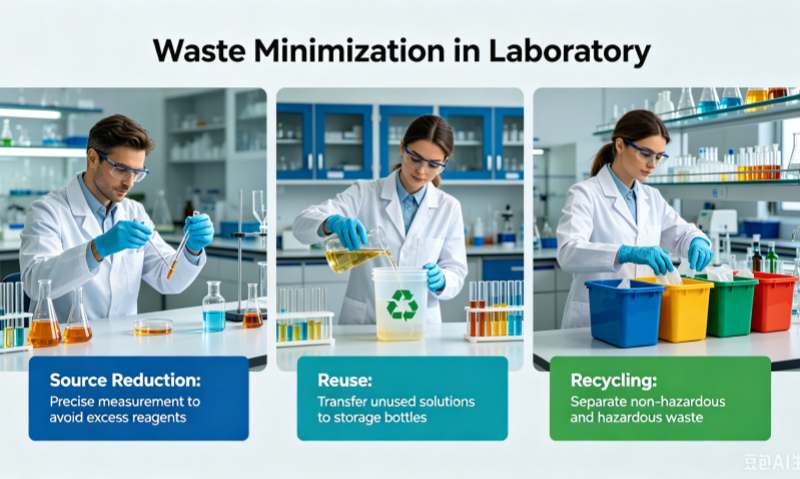
Modern laboratories play a critical role in scientific discovery, pharmaceutical development, environmental testing, biotechnology, and industrial quality control. However, laboratory activities also generate significant amounts of hazardous and non-hazardous waste. Chemical solvents, contaminated biological materials, disposable plastics, and obsolete electronic instruments can create environmental, financial, and regulatory challenges if not managed properly. As sustainability becomes increasingly important across research and industrial sectors, waste minimization has evolved from a regulatory obligation into a core operational strategy for laboratories worldwide.
Effective waste minimization not only reduces disposal costs and environmental risks but also improves laboratory efficiency, enhances worker safety, and supports institutional sustainability goals. Laboratories that implement structured waste reduction programs can significantly decrease hazardous waste generation while maintaining high research productivity and analytical accuracy.
One of the most important areas of laboratory waste management involves chemical waste minimization. Chemical waste is commonly generated from analytical procedures, synthesis experiments, sample preparation, cleaning processes, and expired reagents. A major best practice is source reduction, which focuses on minimizing waste before it is created. Laboratories can achieve this by purchasing smaller quantities of chemicals, especially for rarely used reagents that may expire before consumption. Maintaining a centralized chemical inventory system helps prevent duplicate purchases and encourages reagent sharing among departments.
Microscale and semi-microscale experimental techniques are also highly effective for reducing chemical consumption. Modern analytical instruments such as high-performance liquid chromatography (HPLC), gas chromatography (GC), and mass spectrometry systems increasingly support low-volume workflows that require smaller solvent quantities. By reducing solvent use, laboratories simultaneously decrease hazardous waste generation and operational expenses.
Chemical substitution is another valuable strategy. Replacing highly toxic solvents such as benzene or chloroform with less hazardous alternatives can lower disposal requirements and reduce occupational exposure risks. Water-based cleaning systems and green chemistry principles are becoming more widely adopted in pharmaceutical, environmental, and academic laboratories. Green chemistry emphasizes safer reaction pathways, renewable materials, and energy-efficient processes while minimizing toxic byproducts.
Proper segregation of chemical waste streams is equally important. Mixing incompatible chemicals increases disposal complexity and costs. Laboratories should separate halogenated solvents, non-halogenated solvents, acids, bases, oxidizers, and heavy metal-containing solutions into clearly labeled containers. Well-organized segregation programs improve recycling opportunities and reduce hazardous waste treatment requirements.
Biological waste management presents additional challenges, particularly in microbiology, clinical diagnostics, pharmaceutical research, and biotechnology laboratories. Biological waste may include contaminated cultures, sharps, animal tissues, disposable PPE, and biohazardous consumables. Effective waste minimization begins with accurate classification. Over-classification of non-hazardous materials as biohazardous waste unnecessarily increases treatment and disposal expenses.
Autoclaving remains one of the most widely used methods for decontaminating biological waste before disposal. However, laboratories can further reduce waste volume through reusable materials where appropriate. Glass culture vessels, washable protective equipment, and reusable secondary containment systems can significantly decrease single-use plastic waste generation. Although disposable products improve convenience and contamination control, excessive reliance on single-use plastics has become a major environmental concern in laboratory operations.
Inventory control also plays an essential role in biological waste reduction. Expired media, unused kits, and surplus biological reagents contribute substantially to laboratory waste streams. Implementing first-in-first-out inventory management and digital tracking systems helps laboratories optimize reagent utilization and reduce expired stock.
Training and standard operating procedures are fundamental to successful biological waste minimization. Laboratory personnel must understand proper segregation protocols for infectious, pathological, and non-hazardous waste categories. Clear labeling systems and color-coded disposal containers improve compliance and reduce accidental contamination of general waste streams.
Electronic waste, or e-waste, is another rapidly growing concern in modern laboratories. Analytical instruments, computers, monitors, circuit boards, batteries, and obsolete electronic components contain valuable recoverable materials but may also include hazardous substances such as lead, mercury, cadmium, and brominated flame retardants. Improper disposal of laboratory electronics can create significant environmental and regulatory liabilities.
One of the most effective strategies for minimizing electronic waste is extending equipment lifespan through preventive maintenance and calibration programs. Routine servicing reduces premature equipment failure and delays replacement cycles. Laboratories should also consider upgrading or refurbishing existing instruments instead of purchasing entirely new systems whenever technically feasible.
The secondary market for laboratory equipment has expanded significantly in recent years. Refurbished analytical instruments, centrifuges, spectrometers, incubators, and chromatography systems offer cost-effective alternatives for many laboratories while reducing landfill waste. Equipment resale, donation, and redeployment programs can help organizations maximize asset utilization and support circular economy principles.
Responsible recycling is critical when electronic equipment reaches end-of-life status. Laboratories should work with certified e-waste recycling vendors that comply with local and international environmental regulations. Data security is also essential during disposal of laboratory computers and digital storage devices. Secure data wiping and documentation procedures should be integrated into e-waste management protocols.
Digital transformation can further reduce waste generation across laboratory operations. Electronic laboratory notebooks (ELNs), digital data storage, automated reporting systems, and cloud-based documentation significantly decrease paper consumption. Automation technologies also improve experimental precision, reducing repeat analyses and unnecessary material usage.
Institutional culture plays a major role in the long-term success of laboratory waste minimization programs. Management commitment, sustainability policies, and continuous employee education are essential for maintaining compliance and encouraging environmentally responsible behavior. Many organizations now establish sustainability committees to monitor waste metrics, identify improvement opportunities, and promote green laboratory initiatives.
Regulatory compliance remains another important driver for waste reduction efforts. Laboratories must comply with environmental protection regulations, occupational safety standards, and hazardous waste transportation requirements. Proactive waste minimization helps laboratories reduce regulatory risks while improving operational resilience.
Ultimately, waste minimization in laboratory settings requires a combination of technical optimization, staff engagement, inventory management, equipment lifecycle planning, and environmental responsibility. Chemical, biological, and electronic waste streams each present unique challenges, but all can be significantly reduced through strategic planning and best practices. As laboratories continue advancing scientific innovation, sustainable waste management will become increasingly important for protecting both human health and the global environment.