Consultation Hotline
+1 (302) 618-8777
+1 (302) 618-8777
Current location:Home > Blogs > Industry News
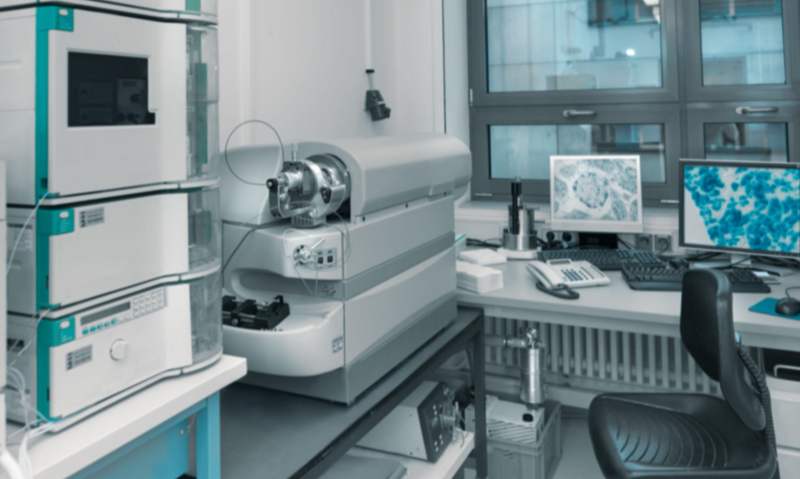
Investing in laboratory equipment is one of the most significant financial decisions for research facilities, clinical laboratories, universities, pharmaceutical companies, and biotechnology organizations. Whether purchasing analytical instruments, centrifuges, mass spectrometers, chromatography systems, or molecular biology platforms, laboratories must carefully balance performance, reliability, and budget considerations. Maximizing return on investment (ROI) is not simply about reducing upfront costs; it involves making strategic decisions that improve operational efficiency, extend equipment lifespan, and support long-term scientific productivity.
One of the most effective ways to maximize ROI is to clearly define laboratory requirements before making a purchase. Many laboratories invest in highly advanced systems with features they rarely use, leading to unnecessary expenses and underutilized capacity. Before selecting equipment, managers should evaluate sample throughput, analytical requirements, future research plans, and workflow compatibility. Purchasing equipment tailored to actual laboratory needs prevents overspending while ensuring optimal performance.
Another critical factor is evaluating total cost of ownership rather than focusing solely on purchase price. The true cost of laboratory equipment includes maintenance contracts, calibration, software updates, consumables, utilities, operator training, and potential downtime. An instrument with a lower initial price may become more expensive over time if maintenance costs are excessive or spare parts are difficult to obtain. Laboratories that analyze long-term operating costs often make more financially sustainable purchasing decisions.
Purchasing certified used or refurbished laboratory equipment has become an increasingly popular strategy for improving ROI. High-quality refurbished systems from reputable suppliers can deliver excellent performance at a fraction of the cost of new instruments. Many used systems are professionally tested, calibrated, and supported with warranties. Laboratories can often acquire premium analytical platforms such as LC-MS, GC-MS, ICP-MS, or HPLC systems while significantly reducing capital expenditures. This approach is especially valuable for startups, academic labs, and expanding facilities with limited budgets.
Vendor selection also plays a major role in equipment investment success. Reliable suppliers provide technical support, installation services, training, spare parts availability, and responsive customer service. Laboratories should evaluate a vendor’s industry reputation, service network, and support capabilities before committing to a purchase. Choosing a trusted supplier helps minimize downtime and ensures long-term operational stability.
Preventive maintenance is another essential strategy for maximizing equipment value. Routine inspections, calibration, cleaning, and software updates can significantly extend instrument lifespan and maintain analytical accuracy. Laboratories that neglect maintenance often face unexpected failures, costly repairs, and productivity losses. Establishing preventive maintenance schedules and training staff in proper instrument handling reduces operational risks and improves overall efficiency.
Laboratory workflow optimization can further improve ROI by increasing equipment utilization rates. Instruments that sit idle for long periods generate poor returns regardless of their technical capabilities. Laboratories should analyze scheduling efficiency, sample management practices, and staffing coordination to maximize instrument usage. Shared equipment models between departments or institutions can also improve utilization and reduce unnecessary duplicate purchases.
Energy efficiency is becoming an increasingly important consideration in laboratory purchasing decisions. Modern laboratory equipment often incorporates energy-saving technologies that reduce electricity consumption and operational costs. Refrigerators, freezers, centrifuges, and analytical systems designed with sustainable technologies can generate substantial long-term savings. Additionally, environmentally efficient equipment may help laboratories achieve sustainability goals and regulatory compliance requirements.
Scalability should also be considered when purchasing laboratory instruments. Laboratories experiencing growth may benefit from modular systems that can be upgraded or expanded over time. Investing in scalable platforms reduces the need for complete system replacements as workloads increase. Flexible equipment configurations also allow laboratories to adapt to changing research demands and emerging analytical techniques.
Data management and software compatibility are increasingly critical in modern laboratory operations. Instruments that integrate seamlessly with laboratory information management systems (LIMS) and digital workflow platforms improve productivity and reduce manual errors. Efficient data handling capabilities save time, support regulatory compliance, and enhance collaboration between research teams. Laboratories should prioritize systems with reliable software support and future upgrade potential.
Training and staff competency also directly influence equipment ROI. Even the most advanced instrument cannot deliver optimal value if operators lack proper training. Comprehensive onboarding, regular technical education, and standardized operating procedures help reduce user errors and improve productivity. Well-trained staff can maximize instrument performance, troubleshoot minor issues, and maintain consistent analytical quality.
Leasing and financing options may also provide financial flexibility for laboratories seeking to preserve cash flow. Instead of large upfront expenditures, some organizations choose leasing models that allow predictable monthly costs and easier technology upgrades. This approach can be particularly beneficial in rapidly evolving scientific fields where equipment obsolescence occurs quickly.
Resale value is another often-overlooked aspect of laboratory equipment purchasing. Instruments from well-known manufacturers with strong market demand tend to retain higher resale values. Laboratories planning future upgrades should consider the long-term marketability of their equipment investments. Maintaining service records and proper maintenance documentation can also improve resale potential.
Ultimately, maximizing ROI in laboratory equipment purchasing requires a combination of strategic planning, operational efficiency, and long-term thinking. Successful laboratories evaluate not only technical specifications but also service support, workflow integration, maintenance requirements, and scalability. By making informed purchasing decisions and implementing proactive management strategies, laboratories can significantly improve productivity while controlling costs.
As scientific research and laboratory technologies continue to evolve, organizations that prioritize smart investment strategies will remain more competitive and financially sustainable. Careful planning, responsible maintenance, and efficient utilization are the keys to achieving long-term value from laboratory equipment investments.