
Consultation Hotline
+1 (302) 618-8777
+1 (302) 618-8777
Current location:Home > Product > General Analytical Instruments > centrifuge
PRODUCT CATEGORY
Related Articles
Detailed Introduction
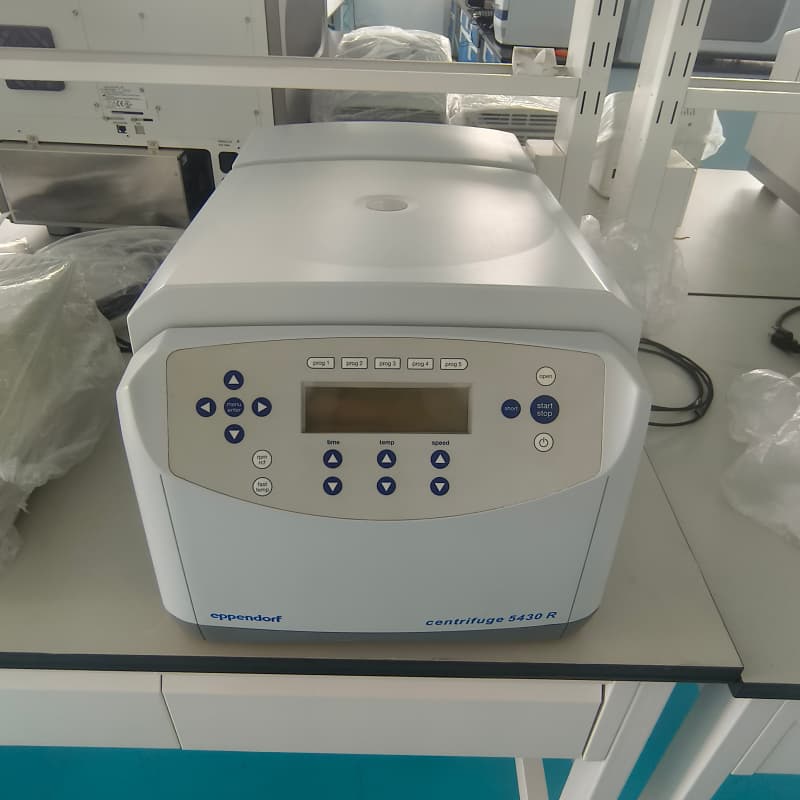
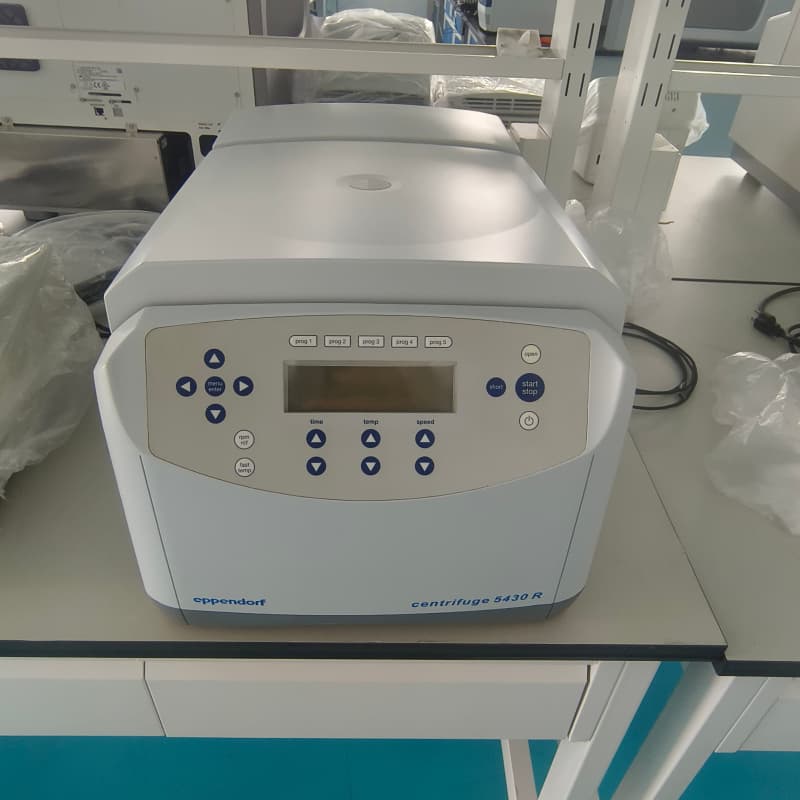
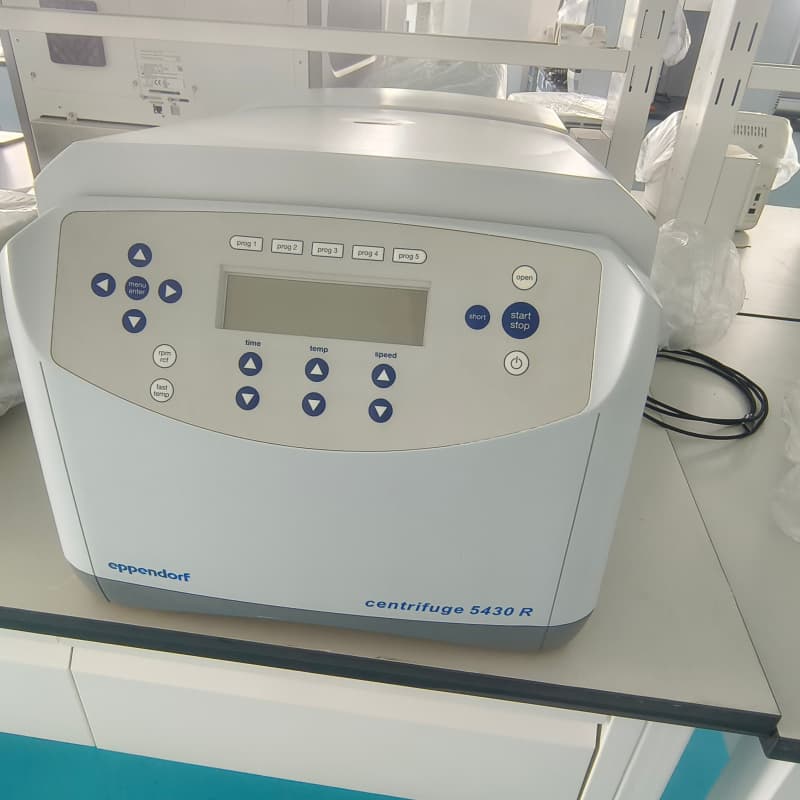
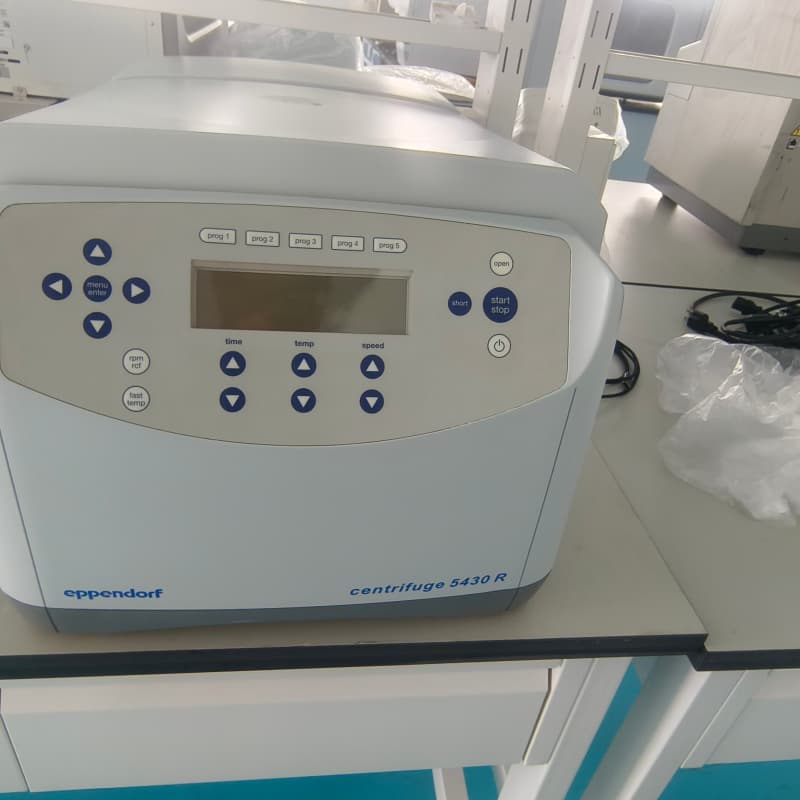
The Eppendorf Centrifuge 5430 R Refrigerated Centrifuge is a versatile, high-speed benchtop centrifuge designed for modern laboratories. Manufactured by Eppendorf, this instrument combines the compact footprint of a microcentrifuge with the flexibility of a multipurpose centrifuge. It is suitable for laboratories that require reliable sample separation, temperature control, and compatibility with different sample formats.
The 5430 R is widely suited to molecular biology, biochemistry, pharmaceutical research, clinical research, biotechnology, and other laboratory applications. Its broad rotor selection allows researchers to process small microcentrifuge tubes, larger conical tubes, and microplates using one instrument platform. This versatility can help laboratories reduce the need for multiple centrifuges and make more efficient use of bench space.
Temperature management is essential when working with temperature-sensitive biological samples, proteins, nucleic acids, enzymes, and other laboratory materials. The Eppendorf 5430 R features an integrated refrigeration system with a temperature setting range of -11°C to +40°C.
This temperature range supports applications requiring cooling during centrifugation and helps researchers maintain suitable sample-handling conditions. The FastTemp pro function supports automated pre-cooling according to programmed schedules, allowing the instrument to prepare for routine work before samples are loaded. Actual sample temperature performance depends on the rotor, operating conditions, and selected settings.
The 5430 R offers a maximum speed of 17,500 rpm and a maximum relative centrifugal force (RCF) of 30,130 × g with compatible rotors. These capabilities support the separation of particles and biological components across a range of laboratory workflows.
Researchers can adjust rotational speed according to their protocols, sample types, and rotor specifications. Because the maximum speed and RCF depend on the installed rotor, users should always verify the rotor's operating limits before starting an experiment.
One of the main advantages of the Centrifuge 5430 R is its broad range of rotor options. Depending on the selected rotor, the system can accommodate up to 48 tubes of 1.5/2.0 mL, six 50 mL conical tubes, or two microplates.
This flexibility makes the instrument useful for laboratories handling different sample volumes and experimental formats. Fixed-angle rotors are suitable for many routine high-speed separations, while swing-bucket rotors can support applications involving microplates and other compatible vessels.
The appropriate rotor should be selected according to the sample container, required centrifugal force, and experimental procedure.
The 5430 R includes an illuminated display and a menu-driven operating interface. Depending on the configuration, users can select a keypad or rotary-knob control version. The system supports multiple languages and allows storage of up to 50 user-defined programs, making frequently repeated protocols easier to configure.
Additional features include automatic rotor recognition, imbalance detection, a soft-brake function, and Eppendorf QuickLock rotor-lid technology on compatible rotors. These features support convenient operation and help improve operational consistency. Correct sample balancing and compliance with rotor-specific instructions remain essential for safe centrifugation.
The following table summarizes the principal specifications published for the Eppendorf Centrifuge 5430 R. Actual configuration and electrical requirements may vary by regional version.
|
Parameter |
Specification |
|---|---|
|
Manufacturer |
Eppendorf |
|
Model |
Centrifuge 5430 R |
|
Instrument type |
Refrigerated benchtop centrifuge |
|
Maximum speed |
17,500 rpm |
|
Maximum RCF |
30,130 × g |
|
Temperature range |
-11°C to +40°C |
|
Maximum capacity |
48 × 1.5/2.0 mL tubes |
|
Alternative capacity |
6 × 50 mL tubes |
|
Microplate capacity |
Up to 2 microplates, with compatible rotor |
|
Available rotor options |
12 rotor types listed by the manufacturer |
|
Timer |
30 seconds to 99 hours 59 minutes; continuous operation |
|
Acceleration time |
Approximately 14 seconds under specified conditions |
|
Deceleration time |
Approximately 15 seconds under specified conditions |
|
User-program storage |
Up to 50 programs |
|
Display |
Large, illuminated display |
|
Safety features |
Rotor recognition and imbalance detection |
|
Dimensions (W × D × H) |
Approximately 38 × 64 × 29 cm |
|
Weight |
Approximately 56 kg |
|
Maximum power consumption |
Approximately 1,050 W |
|
Power supply |
Depends on regional model; 120 V or 230 V versions |
|
Refrigeration feature |
Integrated cooling system |
Specifications are based on Eppendorf's published product information. Rotor-dependent values, dimensions, and electrical specifications should be confirmed for the exact instrument configuration.
The Eppendorf Centrifuge 5430 R can support a variety of research and laboratory workflows.
Molecular biology: Processing compatible tubes during DNA and RNA preparation, nucleic acid purification, and related workflows.
Biochemistry and protein research: Separating precipitates and processing samples under controlled temperature conditions.
Pharmaceutical research: Supporting sample preparation for analytical testing, formulation studies, and laboratory research.
Biotechnology: Handling samples used in cell and molecular research, subject to the requirements of each protocol.
Clinical and life science research: Processing compatible sample tubes for research procedures and other validated laboratory applications.
Microplate workflows: Centrifuging compatible microplates using the appropriate rotor and adapters.
The instrument's versatility makes it particularly useful in laboratories that routinely switch between small-volume tubes and larger sample containers.
Regular maintenance helps preserve performance and extend the service life of the centrifuge. Before operation, inspect the rotor, rotor lid, chamber, and sample containers for visible damage or contamination. Confirm that the rotor is correctly installed and that tubes are balanced according to the manufacturer's instructions.
After use, clean the chamber and accessible surfaces using cleaning agents approved by Eppendorf. Avoid corrosive chemicals that could damage metal components, seals, or coatings. Check the refrigeration system and ventilation openings regularly, and arrange professional service if the instrument displays persistent temperature errors, abnormal vibration, unusual noise, or other faults.
For refrigerated centrifuges, qualified technicians should handle refrigeration-system repairs. Rotor inspection and replacement should follow the manufacturer's safety guidance and service requirements.
The Eppendorf Centrifuge 5430 R combines high-speed performance, refrigerated temperature control, flexible rotor compatibility, and convenient programming in a compact benchtop design. Its ability to accommodate different tube sizes and microplates makes it a practical option for research laboratories, pharmaceutical facilities, and biotechnology organizations.
When purchasing a new or used 5430 R, laboratories should verify the instrument's condition, rotor availability, refrigeration performance, operating history, and compatibility with local power requirements. A properly configured and maintained unit can support a broad range of routine sample-preparation and research applications.
Product Inquiry