
Consultation Hotline
+1 (302) 618-8777
+1 (302) 618-8777
Current location:Home > Product > General Analytical Instruments > centrifuge
PRODUCT CATEGORY
Related Articles
Detailed Introduction
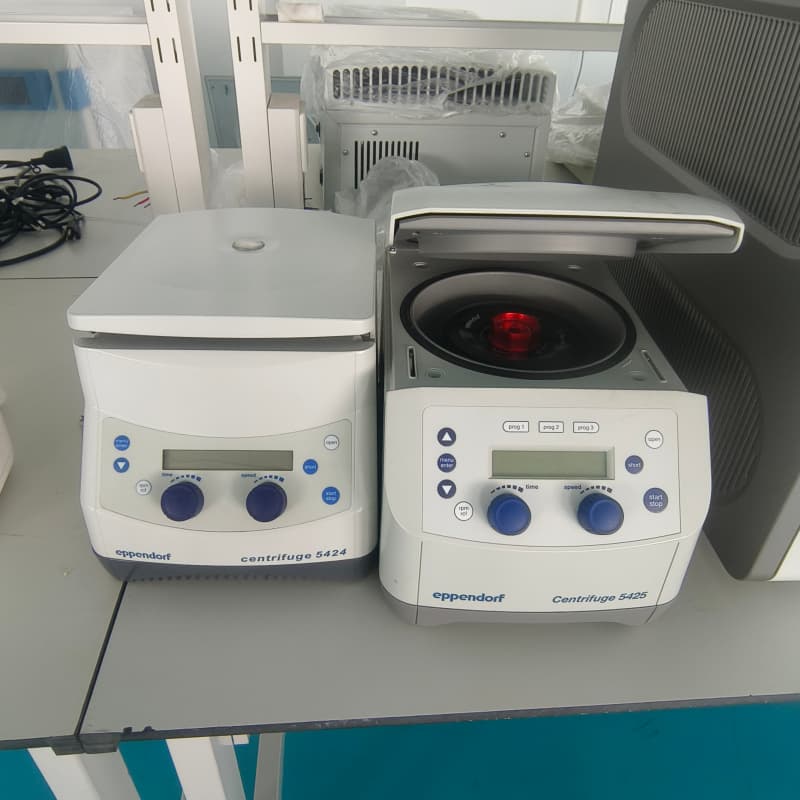
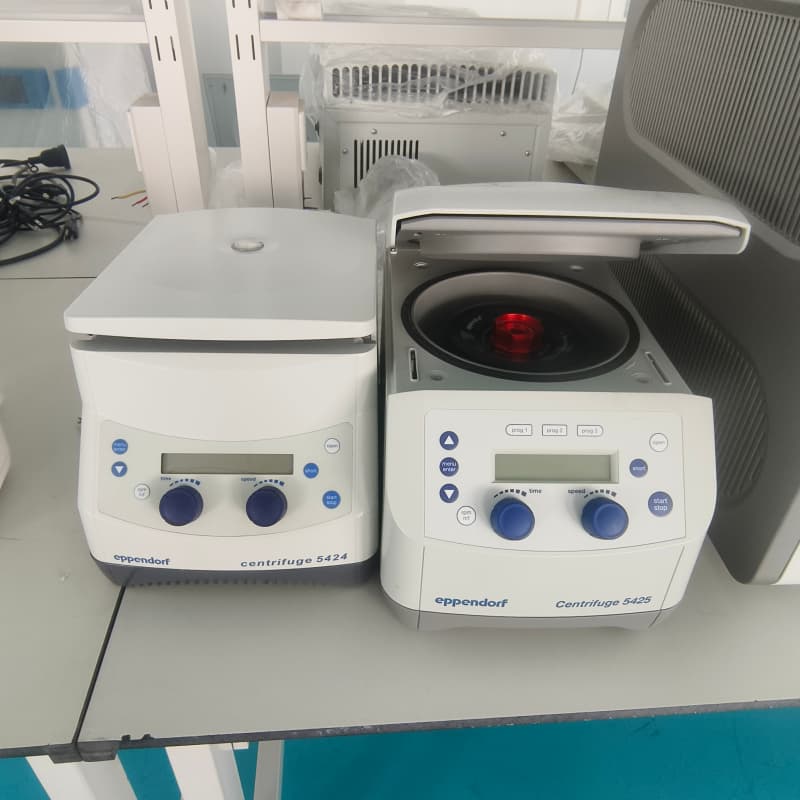
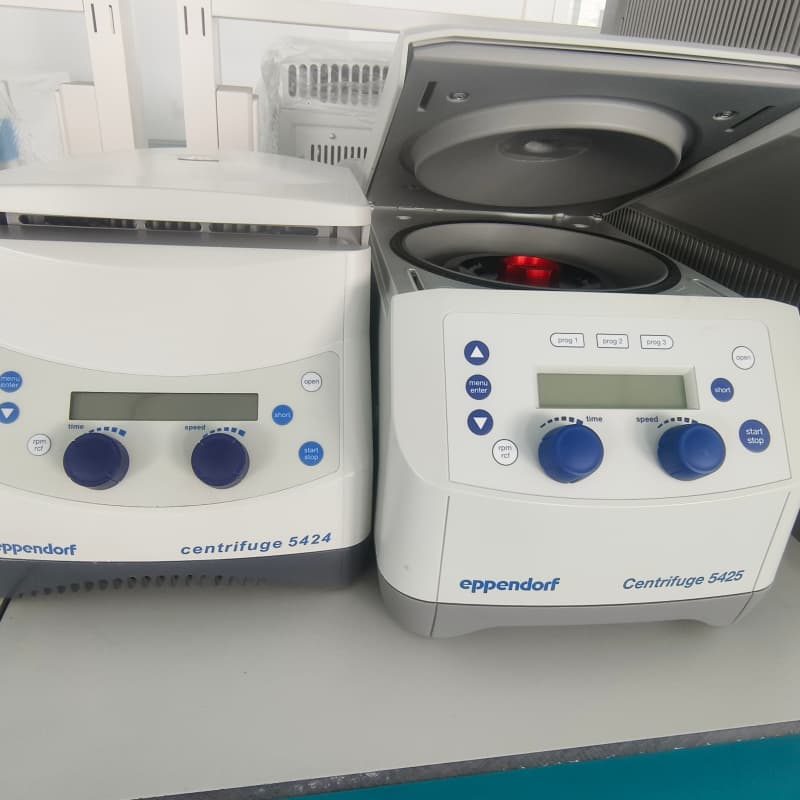
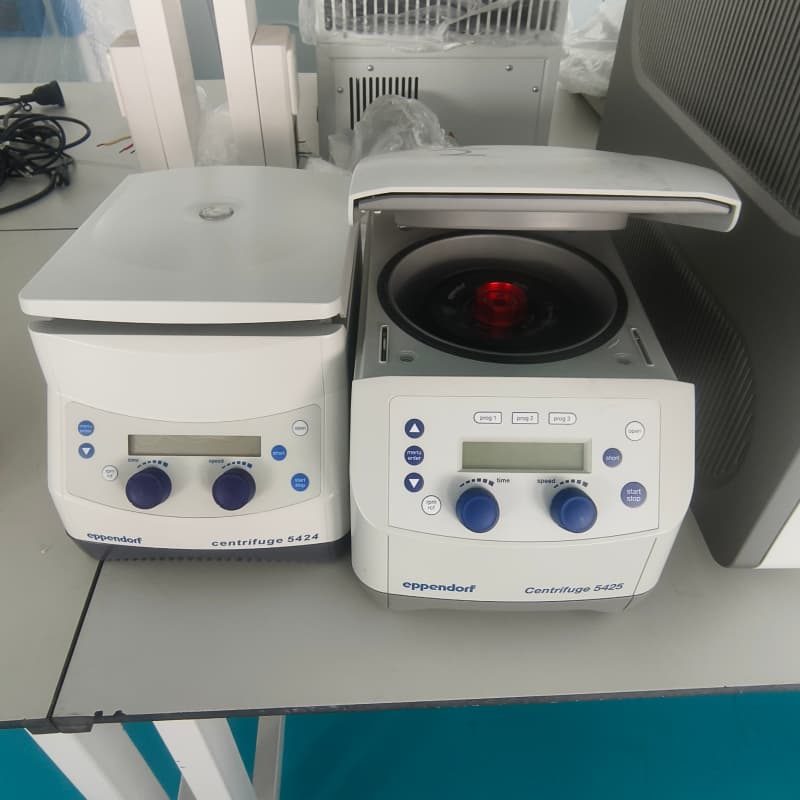
The Eppendorf Centrifuge 5424 is a high-speed benchtop microcentrifuge designed for routine sample preparation in molecular biology, biochemistry, biotechnology, pharmaceutical research, and clinical laboratory applications. Manufactured by Eppendorf, the instrument is designed to provide reliable centrifugation performance, convenient operation, and efficient processing of small-volume samples.
With a maximum capacity of 24 × 1.5/2.0 mL microcentrifuge tubes, the Eppendorf 5424 is suitable for laboratories that frequently process DNA, RNA, proteins, cell lysates, and other biological materials. Its compact benchtop design makes it practical for research laboratories, university facilities, biotechnology companies, and pharmaceutical development environments.
The 5424 model is the non-refrigerated version, while the Eppendorf 5424 R is the refrigerated version intended for temperature-sensitive samples. The two models have different specifications, so users should confirm the exact model before purchasing, operating, or comparing instruments.
The Eppendorf 5424 supports high-speed centrifugation for separating sample components according to their size, density, and sedimentation characteristics. The standard 5424 model can reach a maximum relative centrifugal force (RCF) of approximately 20,238 × g, with a maximum rotational speed of 14,680 rpm for the 230 V version. The 5424 R refrigerated model can reach 21,130 × g and 15,000 rpm under its specified operating conditions.
These capabilities make the instrument useful for routine centrifugation steps, including collecting liquid at the bottom of tubes, separating precipitates, processing nucleic acid extraction samples, and preparing specimens for subsequent analytical procedures.
The instrument supports compatible rotors for different sample-processing requirements. A commonly used 24-place rotor accommodates up to 24 microcentrifuge tubes of 1.5 or 2.0 mL. With the appropriate rotor and adapters, users can also process smaller tubes, including 0.2 mL PCR tubes and selected 0.4–0.6 mL vessels.
Specialized rotor options are available for spin-column workflows. For example, the Eppendorf Kit rotor is designed to support compatible spin columns and help reduce problems associated with tube-cap interference during centrifugation. Rotor selection must always follow the manufacturer's compatibility instructions.
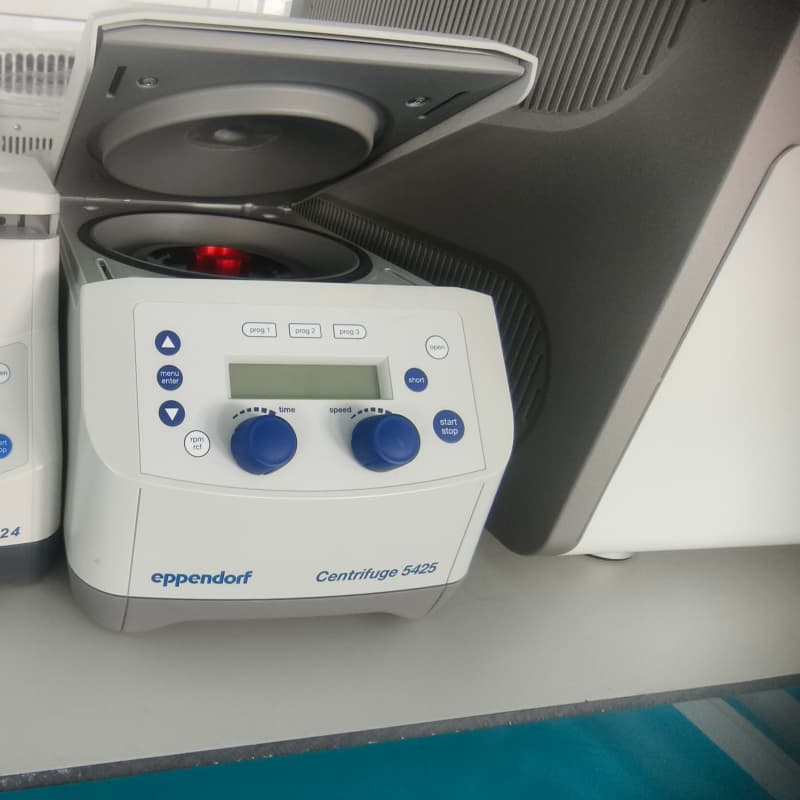
The Eppendorf 5424 is designed for frequent daily use. Depending on the instrument configuration, operation is managed through a keypad or rotary controls. Users can set the required centrifugation speed and running time according to their laboratory protocols.
Its compact format helps conserve valuable bench space, while the design supports straightforward loading, unloading, and routine cleaning. Correct rotor installation, balanced sample loading, and appropriate tube selection remain essential for reliable results.
The following table summarizes the principal specifications of the Eppendorf 5424 and 5424 R. Values vary by model version, voltage, and rotor configuration.
|
Parameter |
Eppendorf 5424 |
Eppendorf 5424 R |
|---|---|---|
|
Product type |
Benchtop microcentrifuge |
Refrigerated microcentrifuge |
|
Maximum capacity |
24 × 1.5/2.0 mL tubes |
24 × 1.5/2.0 mL tubes |
|
Maximum speed |
Up to 14,680 rpm (230 V version) |
Up to 15,000 rpm |
|
Maximum RCF |
Up to 20,238 × g (230 V version) |
Up to 21,130 × g |
|
Temperature control |
No refrigeration |
−10°C to +40°C |
|
Available rotors |
4 rotor options |
4 rotor options |
|
Acceleration time |
Approximately 16 seconds |
Approximately 15 seconds |
|
Deceleration time |
Approximately 18 seconds |
Approximately 16 seconds |
|
Maximum power consumption |
Approximately 250 W |
Approximately 350 W |
|
Dimensions (W × D × H) |
24 × 32 × 23 cm |
29 × 48 × 26 cm |
|
Height with lid open |
Approximately 44 cm |
Approximately 51 cm |
|
Weight |
Approximately 13.4 kg |
Approximately 21 kg |
|
Typical applications |
Routine microcentrifugation |
Temperature-sensitive sample processing |
Specifications are based on manufacturer documentation and published technical data. Confirm the exact voltage version, rotor, and instrument configuration before purchase.
The Eppendorf 5424 is suitable for DNA and RNA extraction workflows, PCR preparation, plasmid purification, and other molecular biology procedures. It can collect liquid from tube walls, sediment insoluble material, and support spin-column purification when the appropriate rotor is installed.
For laboratories conducting routine PCR preparation or nucleic acid purification, the 24-position capacity allows multiple samples to be processed in a single run, helping improve workflow efficiency.
In biochemical laboratories, the centrifuge can be used to separate precipitated proteins, clarify sample suspensions, and prepare biological extracts for downstream analysis. Appropriate centrifugation speed and duration depend on sample composition, tube specifications, and the requirements of the experimental method.
Pharmaceutical research and biotechnology facilities often require repeatable sample preparation before chromatography, electrophoresis, spectrophotometry, and other analytical procedures. The Eppendorf 5424 can support these routine preparation steps in research and development environments.
The refrigerated 5424 R is particularly useful when sample temperature must be controlled during centrifugation. Its temperature range of −10°C to +40°C allows laboratories to select suitable conditions for compatible temperature-sensitive workflows.
To obtain reliable results and maintain instrument performance, laboratory personnel should follow several basic operating practices.
Inspect the instrument before use. Check the centrifuge chamber, rotor, rotor lid, and tube condition for visible damage, corrosion, or contamination.
Balance samples carefully. Place tubes in opposing rotor positions with balanced masses. Use compatible tubes and adapters rated for the intended centrifugal force.
Select the correct rotor and settings. Confirm the maximum permitted speed, RCF, and load for the installed rotor. Do not exceed the limits specified by the manufacturer.
Secure the lid properly. Ensure that the rotor is installed correctly and the centrifuge lid is completely closed before starting the run.
Clean the instrument regularly. Remove spills promptly using cleaning agents compatible with the centrifuge, rotor, and sample materials. Follow the manufacturer's cleaning and disinfection instructions.
Monitor abnormal conditions. Stop operation if unusual vibration, excessive noise, a burning smell, or an error message occurs. Inspect the instrument only after it has come to a complete stop.
For the refrigerated 5424 R, users should also monitor temperature performance and keep the ventilation areas unobstructed. Regular inspection and appropriate preventive maintenance can help extend the service life of the instrument.
A professionally inspected used Eppendorf 5424 can be a practical option for laboratories seeking to manage equipment budgets while maintaining dependable sample-processing capabilities. Before purchasing a pre-owned unit, buyers should verify its model and serial number, power requirements, rotor compatibility, operating condition, and service history.
A functional inspection should include speed control, timer operation, lid-locking mechanisms, rotor condition, and abnormal vibration or noise. For the 5424 R, the refrigeration system and temperature-control performance should also be evaluated.
Buyers should confirm whether the quoted price includes the rotor, rotor lid, adapters, power cable, warranty, and any installation or service support. These details can significantly affect the overall value of a used instrument.
The Eppendorf Centrifuge 5424 is a versatile microcentrifuge for routine laboratory sample preparation. Its 24-position capacity, high-speed performance, compatible rotor options, and compact design make it suitable for molecular biology, biochemistry, pharmaceutical research, and biotechnology applications.
For laboratories working with temperature-sensitive materials, the refrigerated Eppendorf 5424 R offers additional temperature-control capabilities. Choosing between the two models should depend on sample requirements, available laboratory space, and the intended applications.
Whether purchasing a new or used instrument, laboratories should prioritize equipment condition, correct rotor configuration, safety, and access to maintenance support to ensure reliable long-term operation.
Product Inquiry