
Consultation Hotline
+1 (302) 618-8777
+1 (302) 618-8777
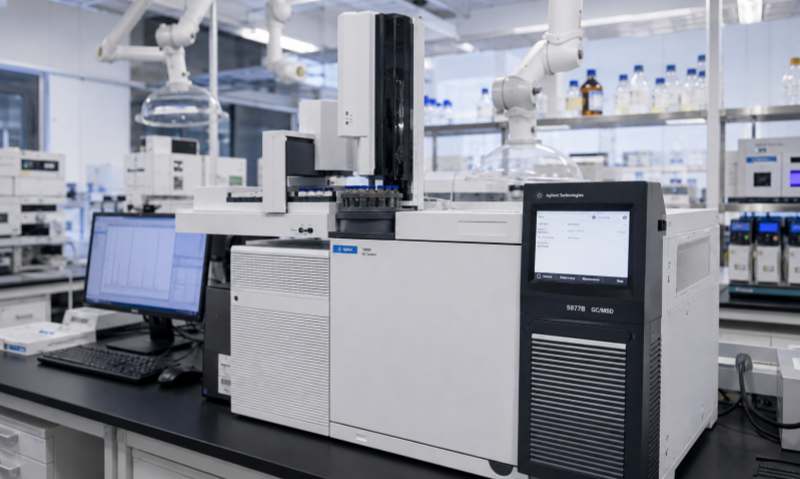
A water bath shaking incubator is widely used in pharmaceutical research, biotechnology, microbiology, food testing, chemical laboratories, and other applications that require controlled temperature and continuous shaking. The equipment combines a water bath heating system with a mechanical or orbital shaking mechanism, allowing samples to remain at a stable temperature while being mixed uniformly.
Like other laboratory instruments, a water bath shaking incubator can develop problems after prolonged operation. Common failures include temperature instability, failure to heat, abnormal shaking, excessive noise, water leakage, display errors, and electrical faults. Correct diagnosis and timely maintenance can reduce downtime and extend equipment service life.
If the water bath shaking incubator does not start, first check the power supply, power cord, plug, circuit breaker, and fuse. Make sure the laboratory outlet is supplying the correct voltage.
If the power supply is normal but the display remains blank, the problem may involve the internal fuse, power switch, power supply module, wiring, or control board.
Do not repeatedly replace a blown fuse without determining why it failed. A short circuit or damaged electrical component may cause the fuse to fail again. Electrical inspection should be performed by qualified personnel after disconnecting the power supply.
If the display operates normally but the water temperature does not increase, check the temperature setting and heating parameters first.
Possible causes include a damaged heating element, faulty temperature sensor, defective relay or solid-state relay, loose electrical connection, or failure of the temperature control circuit.
The water level should also be checked. If the heating element is not adequately immersed, some instruments may activate a low-water protection function and stop heating.
If the heating element is covered with heavy scale, heat transfer may become inefficient. Cleaning or replacing the heating element may be necessary depending on its condition.
Temperature fluctuation can result from several factors. First, verify that the temperature sensor is correctly installed and properly positioned. A sensor that is loose, contaminated, or incorrectly positioned may provide inaccurate temperature readings.
The heating element and temperature controller should also be checked. If the controller repeatedly switches heating on and off abnormally, the control parameters or relay system may require inspection.
Insufficient water circulation can also produce temperature differences within the bath. Maintaining the recommended water level and ensuring that the shaking mechanism operates correctly can help improve temperature uniformity.
If the heating system operates normally but the shaking platform does not move, first check the shaking speed setting and operating mode.
Possible causes include a damaged motor, loose belt, mechanical obstruction, defective speed controller, or electrical connection problem.
Before inspecting the mechanical drive system, disconnect the power supply. Check whether the platform is overloaded or whether objects are interfering with its movement.
The sample load should remain within the manufacturer's specified capacity. Excessive loading can increase motor stress and accelerate mechanical wear.
If the shaking speed changes unexpectedly during operation, inspect the motor, drive mechanism, speed sensor, and controller.
A worn belt or loose mechanical connection can cause unstable movement. In some models, an electronic speed-control circuit or feedback sensor regulates the shaking speed. Failure of these components may result in speed fluctuations.
The platform should also be checked for uneven loading. Samples should be distributed as evenly as possible to maintain mechanical balance.
Abnormal noise may indicate mechanical wear, loose screws, damaged bearings, an unbalanced platform, or foreign objects inside the drive mechanism.
Stop the instrument if unusual vibration becomes severe. Continuing operation may cause additional damage to the motor or transmission system.
Check the equipment's leveling and ensure that it is placed on a stable laboratory surface. Inspect the shaking platform, fasteners, bearings, belts, and other mechanical components according to the manufacturer's maintenance instructions.
Water leakage should be addressed immediately because water can reach electrical components and create a safety hazard.
First disconnect the power supply and identify the source of the leak. Common sources include damaged seals, drain valves, hoses, pipe connections, or corrosion of the water bath tank.
Do not continue operating the equipment until the leakage has been repaired and the electrical system has been confirmed to be safe.
An error code or abnormal temperature reading may indicate a sensor problem, wiring failure, communication fault, or control-board malfunction.
Check whether the sensor connector is securely connected and inspect the sensor cable for damage. If the sensor resistance or output is outside the manufacturer's specified range, replacement may be required.
Do not randomly adjust calibration parameters without appropriate reference standards and technical documentation.
Preventive maintenance is the most effective way to reduce unexpected failures. The water should be replaced regularly, and the tank should be cleaned to prevent scale, contamination, and microbial growth.
The heating element should be inspected periodically, while the shaking mechanism should be checked for abnormal noise, loose fasteners, and mechanical wear.
Electrical cables, plugs, switches, and protective devices should also be inspected regularly. Maintenance records should be maintained so that recurring problems can be identified early.
Water bath shaking incubators integrate temperature control, heating, and mechanical shaking systems, so troubleshooting requires consideration of both electrical and mechanical components. When a failure occurs, technicians should begin with simple checks such as power supply, water level, temperature settings, and sample loading before examining internal components.
By maintaining proper water quality, avoiding overloading, checking the heating and shaking systems regularly, and repairing abnormal conditions promptly, laboratories can significantly improve equipment reliability and extend the service life of water bath shaking incubators.