
Consultation Hotline
+1 (302) 618-8777
+1 (302) 618-8777
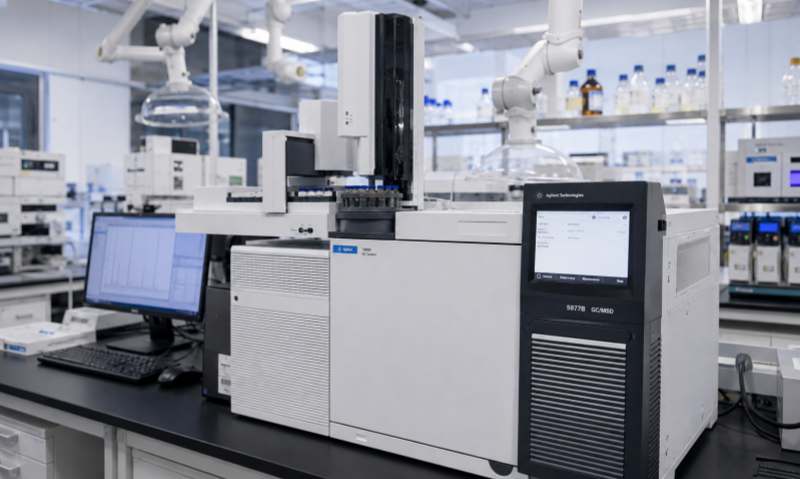
The split/splitless inlet is one of the most important components of an Agilent gas chromatograph (GC). It provides controlled vaporization and introduction of liquid samples into the GC column. The condition of the inlet directly affects injection repeatability, peak shape, sensitivity, carryover, and quantitative accuracy. Regular maintenance is therefore essential for laboratories using Agilent GC systems such as the 6890, 7890, 7820, and 8890 series.
Proper maintenance does not necessarily require complicated procedures. Routine replacement of consumable parts, contamination control, leak inspection, and correct operating practices can prevent many common inlet problems.
The inlet liner is one of the most frequently replaced consumable components in a GC inlet. During repeated injections, nonvolatile sample residues can accumulate inside the liner. Active sites may also develop on the liner surface, resulting in adsorption, peak tailing, poor reproducibility, or reduced response.
The liner should be inspected and replaced according to sample load and laboratory experience. Samples containing high-boiling compounds, pigments, biological matrices, or other nonvolatile materials generally require more frequent replacement.
When replacing a liner, always use the correct liner type and configuration for the analytical method. The liner should be installed carefully and kept clean to prevent contamination.
The septum seals the inlet while allowing the autosampler or manual syringe needle to enter the system. Repeated needle penetration eventually creates holes and may cause septum particles to enter the inlet.
A deteriorated septum can cause leaks, unstable retention times, poor sensitivity, and abnormal baseline behavior. It may also produce small pieces of debris that contaminate the inlet liner.
The septum should be replaced regularly and whenever visible damage, excessive coring, or leakage is observed. Avoid overtightening the septum nut because excessive pressure may deform the septum and shorten its service life.
Leak prevention is critical for split/splitless GC operation. A leak at the septum, liner seal, column connection, or inlet fittings can change the actual gas flow and affect the split ratio.
Leakage can also allow oxygen and moisture to enter the carrier-gas path, potentially affecting sensitive columns and detectors.
During routine maintenance, inspect inlet connections and use an appropriate electronic leak detector or approved leak-checking procedure. Do not rely solely on visual inspection because many small leaks cannot be seen.
Sample residues can accumulate around the inlet body, liner seal, gold seal, or other internal components. These contaminants may eventually enter the gas stream or interact with subsequent samples.
When contamination is suspected, switch off the GC and allow the inlet to cool to a safe temperature. Disconnect the relevant gas supply if required by the maintenance procedure.
Clean or replace contaminated components according to the Agilent maintenance procedure. Avoid using unsuitable solvents or abrasive materials that could damage sealing surfaces.
Depending on the Agilent inlet configuration, the bottom of the inlet may use a gold seal or another sealing component. The seal provides an important connection between the inlet and the GC column.
A contaminated, scratched, or improperly installed seal can contribute to leaks and unstable chromatography. During inlet maintenance, inspect the sealing surface for scratches, residue, deformation, or other damage.
If the seal is designed as a replaceable consumable, replace it when required rather than repeatedly cleaning a severely damaged component.
In split injection mode, part of the vaporized sample exits through the split vent. The split vent line and trap can gradually accumulate sample components, particularly when analyzing concentrated or dirty samples.
A restricted split vent path can cause incorrect split flow and lead to changes in peak areas or response factors.
The split vent filter or trap should therefore be inspected and replaced according to the instrument configuration and laboratory maintenance schedule. A sudden change in split flow should be investigated rather than ignored.
Stable carrier-gas flow is essential for reliable split and splitless injection. Before analyzing samples, verify that the carrier gas pressure and flow are consistent with the analytical method.
In split mode, the split ratio depends on inlet conditions and gas flows. In splitless mode, timing and purge parameters are particularly important because they determine how the vaporized sample is transferred to the column.
If retention times or peak areas suddenly change, check the inlet flow parameters, gas supply, pressure control, and possible leaks before replacing other components.
The best inlet maintenance strategy is to minimize contamination at the source. Avoid injecting samples with excessive particulate matter or concentrations beyond the recommended analytical range.
Samples should be appropriately prepared and filtered when necessary. Highly concentrated or dirty samples can rapidly contaminate the liner and inlet components.
Using an appropriate injection volume and injection technique can also improve liner lifetime and reduce carryover.
A preventive maintenance schedule should be established according to instrument workload and sample characteristics.
The septum, liner, gold seal, split vent filter, and other consumables should be inspected or replaced at appropriate intervals. Laboratories performing large numbers of injections may need more frequent maintenance than laboratories analyzing relatively clean samples.
Maintenance activities should be recorded, including replacement dates, operating conditions, observed problems, and corrective actions. These records can help identify gradual changes in instrument performance.
Regular maintenance of the Agilent GC split/splitless inlet is essential for obtaining stable and reproducible chromatographic results. Routine inspection of the liner, septum, sealing components, split vent path, and gas connections can prevent many common problems.
When peak shape, sensitivity, retention time, or peak area suddenly changes, the inlet should be included in the troubleshooting process. By combining proper sample preparation with preventive maintenance and systematic leak and flow checks, laboratories can extend consumable life, reduce unexpected downtime, and maintain reliable GC performance.