
Consultation Hotline
+1 (302) 618-8777
+1 (302) 618-8777
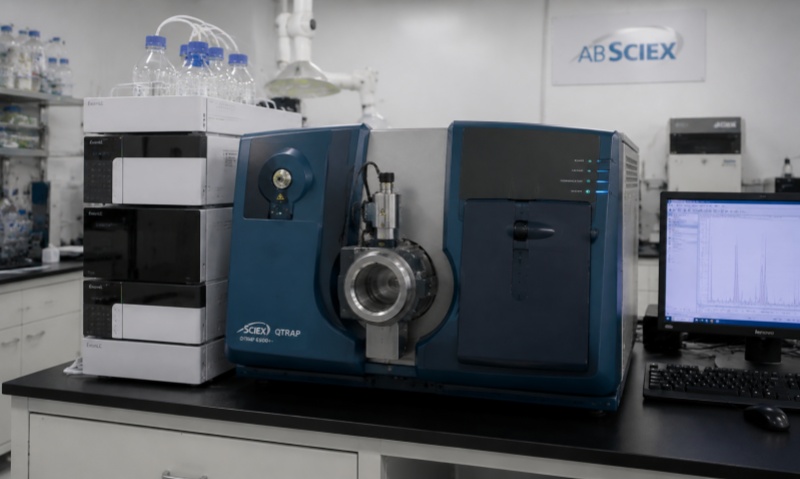
Two-stage rotary vane vacuum pumps are widely used in pharmaceutical laboratories, analytical laboratories, chemical research, vacuum drying, freeze-drying, vacuum filtration, rotary evaporation, and other applications requiring stable and reliable vacuum conditions. Compared with single-stage pumps, two-stage rotary vane pumps can generally achieve a deeper ultimate vacuum and provide better performance in applications where low-pressure conditions are required.
However, vacuum pump failures do not always originate from the pump itself. Leaks in the vacuum system, contaminated oil, blocked exhaust filters, incorrect operating procedures, excessive gas load, and electrical problems can produce symptoms that appear to be pump failures. Therefore, a systematic fault diagnosis should be performed before disassembling the pump.
A pump that does not start should first be checked from the electrical and mechanical sides.
Confirm that the power supply voltage corresponds to the pump's rated voltage and frequency. Check the power cable, plug, circuit breaker, fuse, switch, and motor protection device. If the motor makes no sound after the power is switched on, an electrical problem should be considered.
If the motor hums but does not rotate, possible causes include excessive starting load, seized bearings, contaminated pump oil, or a mechanically locked pump chamber. Cold or highly viscous oil can also increase starting resistance, particularly in low-temperature environments.
Do not repeatedly force the motor to start because this may damage the motor winding or overload protection system.
Failure to achieve the expected vacuum is one of the most common problems.
The first step should be to determine whether the problem comes from the pump or the external vacuum system. Disconnect the pump from the application and perform an appropriate blank-off or ultimate-vacuum test according to the manufacturer's procedure.
If the pump reaches its specified vacuum when isolated, the pump itself may be functioning normally. The problem may instead be a leak in the vacuum chamber, tubing, valves, fittings, seals, or connectors.
If the isolated pump still cannot achieve the required vacuum, inspect the pump oil, inlet system, vanes, seals, valves, and internal components.
A gradual reduction in vacuum performance is often associated with oil contamination or component wear.
Rotary vane pumps rely heavily on the correct condition and quantity of vacuum oil. Water vapor, solvents, chemicals, dust, and process gases can contaminate the oil and reduce its ability to provide an effective seal.
Check the oil color, clarity, viscosity, and level. Cloudy or milky oil may indicate water contamination, while dark or unusually contaminated oil may indicate chemical or thermal degradation.
If the oil is contaminated, replace it using the correct vacuum-pump oil specified by the manufacturer. In some situations, an appropriate oil-flushing procedure may be necessary.
Abnormal noise should never be ignored.
Possible causes include insufficient lubrication, damaged bearings, worn vanes, foreign material inside the pump, incorrect installation, or mechanical imbalance.
First check whether the pump is installed on a stable surface. Inspect the mounting feet and make sure the pump is not in contact with surrounding equipment.
Listen carefully to the sound of the pump. A high-pitched or grinding noise may indicate bearing or mechanical problems, while repetitive knocking can suggest internal component damage.
If abnormal noise remains after checking the installation and oil condition, the pump may need internal inspection.
Oil mist at the exhaust outlet can occur during normal operation, especially under certain gas loads, but excessive oil mist indicates that further inspection may be necessary.
Check the exhaust filter or oil-mist separator. A blocked filter can increase exhaust pressure and affect pump performance.
The oil level should also be checked. Overfilling the pump can increase oil carryover and exhaust mist. Incorrect oil type or severely contaminated oil may produce similar symptoms.
If oil is being discharged through the exhaust at an abnormal rate, inspect the exhaust system, oil separator, seals, and internal pump condition.
Oil leakage should be traced carefully rather than assuming that a major internal failure has occurred.
Inspect the oil drain plug, oil sight glass, shaft seal, housing joints, O-rings, and other sealing points.
A loose drain plug or deteriorated O-ring may cause a simple external leak. A damaged shaft seal, however, may require partial or complete disassembly.
Before repair, clean the outside of the pump and observe the exact location where fresh oil appears. This makes it easier to distinguish an active leak from old oil residue.
A rotary vane vacuum pump normally generates heat during operation, but excessive temperature can indicate abnormal operating conditions.
Common causes include continuous operation under a high gas load, insufficient ventilation, excessive ambient temperature, incorrect oil level, contaminated oil, blocked exhaust filtration, or mechanical friction.
Ensure that sufficient air can circulate around the pump. Check the cooling fan if the model is equipped with one.
The oil level and condition should also be inspected. If the pump continues to overheat after correcting ventilation and oil-related problems, inspect the motor and internal mechanical components.
A pump may eventually achieve an acceptable vacuum while taking much longer than normal to reach it.
Possible causes include a large system leak, restricted tubing, undersized vacuum piping, clogged inlet filters, excessive moisture or solvent vapor, incorrect valve operation, or reduced pump capacity.
Check the vacuum line from the chamber to the pump. Long, narrow, contaminated, or partially blocked tubing can significantly reduce pumping speed.
The inlet filter should be inspected and cleaned or replaced when necessary. If the external system is confirmed to be normal, pump performance should then be evaluated.
The gas ballast system plays an important role when pumping condensable vapors. If the gas ballast valve is incorrectly adjusted, the pump may show reduced ultimate vacuum or abnormal operating behavior.
When diagnosing poor vacuum performance, verify whether the gas ballast is open or closed and whether this corresponds to the operating requirements.
When pumping large amounts of moisture or solvent vapor, an appropriate gas-ballast setting can help protect the pump oil. After the vapor load has been reduced, the operating condition can be adjusted according to the manufacturer's instructions.
Before disassembling a two-stage rotary vane vacuum pump, technicians should record the following information:
Pump model and serial number
Rated voltage and operating conditions
Current oil level and oil condition
Ultimate vacuum measurement
Pump-down time
Operating temperature
Motor current, when appropriate
Abnormal noise or vibration
Exhaust oil mist condition
Oil leakage location
Alarm or protection information
The external vacuum system should be tested separately whenever possible. This prevents technicians from incorrectly identifying a system leak as an internal pump failure.
Disassembly should normally be considered only after external causes have been eliminated.
If the pump still shows poor ultimate vacuum, abnormal noise, excessive oil leakage, severe overheating, or reduced pumping performance after basic checks, internal inspection may be required.
Possible internal problems include worn rotary vanes, damaged springs, worn cylinder surfaces, defective seals, bearing damage, contaminated pump chambers, or valve-related problems.
Because two-stage rotary vane pumps contain precision components, unauthorized disassembly can introduce contamination, incorrect clearances, or assembly errors. Maintenance should therefore follow the manufacturer's service procedures.
Accurate fault diagnosis before repairing a two-stage rotary vane vacuum pump can prevent unnecessary disassembly and reduce maintenance costs. Problems such as failure to start, insufficient vacuum, slow pump-down, excessive noise, overheating, oil leakage, and excessive oil mist can have multiple causes.
The most effective troubleshooting method is to proceed from the outside to the inside: first check the power supply and operating conditions, then inspect the vacuum system, tubing, valves, filters, oil, and environmental conditions. Only after these factors have been eliminated should internal pump components be considered.
A well-documented pre-repair inspection provides technicians with useful baseline data and makes subsequent maintenance more efficient. For pharmaceutical and laboratory applications, all inspection, repair, oil replacement, and performance verification should be performed according to the manufacturer's instructions and the laboratory's applicable maintenance and quality procedures.