
Consultation Hotline
+1 (302) 618-8777
+1 (302) 618-8777
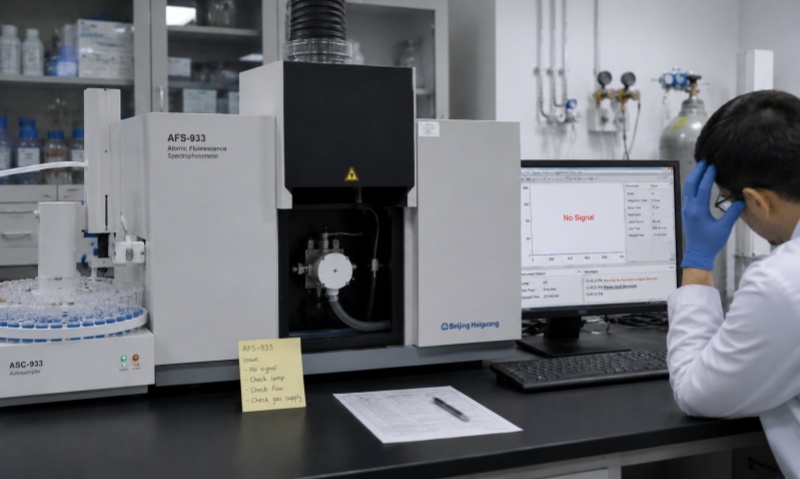
A radiation-resistant detector is a specialized instrument designed to measure and monitor ionizing radiation in environments where radiation exposure may occur. It is widely used in nuclear laboratories, medical facilities, industrial inspection, environmental monitoring, and scientific research. Its reliable structure and detection technology help operators evaluate radiation levels and maintain safe working conditions.
A typical radiation detector consists of a radiation sensor, signal-processing circuit, display unit, power supply, control panel, alarm module, and protective housing. Depending on the application, the sensor may use a Geiger-Müller tube, scintillation detector, proportional counter, semiconductor detector, or other radiation-sensitive element. The housing protects internal components from mechanical damage and environmental interference.
When ionizing radiation enters the detector, it interacts with the sensing element and generates electrical pulses or optical signals. The signal-processing circuit amplifies and analyzes these signals, then converts them into a measurable radiation value. Depending on the instrument, results may be displayed as count rate, dose rate, accumulated dose, or other radiation-related parameters. Some instruments also provide audible and visual alarms when preset limits are exceeded.
Before operation, inspect the detector, battery or power supply, sensor, cables, and display. Turn on the instrument and allow it to complete its self-test. Select the appropriate measurement mode and confirm the correct unit and alarm threshold. Keep the detector at the required measurement position and avoid unnecessary exposure. Record the displayed value after the reading becomes stable. After measurement, move the instrument to a safe area, switch it off according to the manufacturer's procedure, and clean or store it properly.
If the instrument cannot start, check the battery, power adapter, switch, and electrical connections. If readings fluctuate excessively, inspect the sensor, cables, electromagnetic interference, and environmental conditions. Abnormally high readings may result from an actual radiation source, incorrect measurement position, sensor contamination, or detector malfunction. If the display is blank or inaccurate, check the display connection and perform the recommended calibration or self-test.
Regular calibration, functional inspection, battery replacement, sensor maintenance, and professional servicing are essential to ensure accurate measurements and reliable radiation monitoring.