
Consultation Hotline
+1 (302) 618-8777
+1 (302) 618-8777
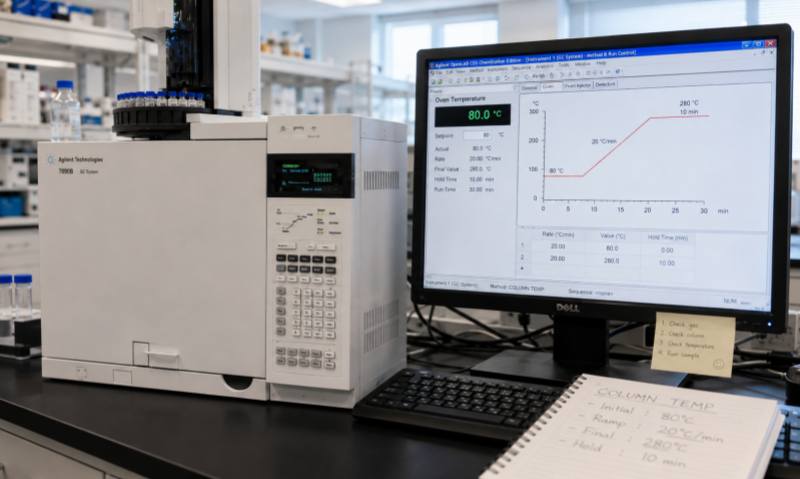
Laboratory construction is a systematic project involving space planning, functional design, safety management, utilities, equipment installation, and laboratory furniture selection. For enterprises, building a laboratory is not simply a matter of preparing a room and purchasing instruments. A well-designed laboratory must meet current experimental requirements while also allowing for future expansion, improving work efficiency, protecting personnel safety, and controlling long-term operating costs.
Before construction begins, an enterprise should first determine the laboratory's primary functions. Different laboratories have very different requirements. Chemical laboratories may require fume hoods, corrosion-resistant worktops, chemical storage cabinets, and specialized ventilation systems. Biological laboratories may place greater emphasis on biosafety, clean areas, disinfection facilities, and controlled airflow. Instrument laboratories need sufficient space, stable power supplies, temperature and humidity control, and vibration protection.
The enterprise should therefore prepare a clear list of experimental activities, sample types, chemicals, instruments, personnel numbers, and expected workloads. Future expansion should also be considered to avoid expensive reconstruction later.
Laboratory space should be divided according to workflow and risk level. Common areas include experimental zones, instrument rooms, sample preparation areas, chemical storage areas, washing areas, offices, and waste-treatment spaces.
The layout should minimize unnecessary movement of personnel and samples. Clean and potentially contaminated areas should be appropriately separated. High-risk operations should be located in areas with suitable safety facilities.
Laboratory equipment should also be considered during the design stage. Large instruments require sufficient operating and maintenance space, while equipment generating heat, vibration, or exhaust may require special installation conditions.
Laboratory construction must integrate electricity, water, drainage, ventilation, compressed air, gases, network connections, and emergency systems.
Electrical capacity should be calculated according to the total load of laboratory instruments. Precision equipment may require stable and dedicated power supplies. Water and drainage systems should be compatible with the chemicals and processes used.
Ventilation is particularly important in chemical laboratories. Fume hoods and local exhaust systems should be designed according to the types and quantities of hazardous substances handled. Enterprises should also provide appropriate fire protection, emergency showers, eyewash stations, gas detection, spill-control facilities, and emergency exits where necessary.
Laboratory furniture is an important component of laboratory construction. The selection should not be based solely on appearance or purchase price. Material, load capacity, chemical resistance, ergonomics, durability, cleaning requirements, and compatibility with laboratory processes should all be evaluated.
Common laboratory furniture includes workbenches, instrument benches, fume hoods, reagent cabinets, storage cabinets, sink units, mobile carts, and specialized workstations.
Worktop materials should be selected according to the chemicals and temperatures encountered. Chemical laboratories may require highly chemical-resistant surfaces, while laboratories with routine mechanical operations may prioritize impact resistance and durability.
Laboratory furniture should support safe and comfortable operation. Workbench height, storage position, seating, lighting, and instrument accessibility all influence employee efficiency.
Frequently used equipment and materials should be positioned within convenient reach. Heavy instruments should be installed on benches with adequate load-bearing capacity. Furniture edges and structures should be designed to reduce collision and injury risks.
Ergonomic design is especially important in laboratories where personnel perform repetitive operations for long periods.
After laboratory furniture and equipment are installed, enterprises should conduct a systematic acceptance inspection. Check dimensions, materials, surface quality, load capacity, electrical connections, plumbing, ventilation connections, cabinet doors, drawers, and safety facilities.
For large instruments, verify that the laboratory environment meets the manufacturer's requirements before installation. Temperature, humidity, power quality, vibration, ventilation, and gas supplies can directly affect instrument performance.
Laboratory furniture should also be included in a preventive maintenance program. Damaged worktops, loose fittings, corroded components, and defective electrical accessories should be repaired promptly.
Enterprises should evaluate the total life-cycle cost rather than focusing only on initial investment. Low-cost furniture may require frequent replacement or repair, increasing long-term expenses. Durable materials and modular designs can provide better value over time.
A modular laboratory furniture system can also make future expansion and equipment replacement easier. Enterprises should reserve sufficient space and utility interfaces for potential future instruments.
From laboratory construction to furniture selection, enterprises should adopt a comprehensive approach based on functionality, safety, workflow, ergonomics, equipment compatibility, and long-term operating costs. Scientific planning at the beginning of the project can reduce later modification expenses and improve laboratory efficiency. A successful laboratory is not simply a collection of instruments and furniture; it is an integrated working environment in which space, infrastructure, equipment, personnel, and safety systems work together efficiently.